















Saltar al contenido
MisLibrosTexto
Ad

Past Progressive: forma afirmativa, negativa e interrogativa

📄 teoria ingles 🎓 secundaria · 2° Secundaria México 🇲🇽 MX 🗣 Español
Página 48
48 de 171
Página 48 de Uérakua anapu uantakua. Projects and Readings.  Libro de Educación Secundaria Grado 2°  Ciclo Escolar 2025 - 2026
Anterior Página 48 / 171 Siguiente

Respuesta rápida

  1. Automatons were becoming more popular... acción continua interrumpida. 2.a Jacques de Vaucanson wasn't working on an automaton. 2.b Was Jacques de Vaucanson working on an automaton? 3.1 was moving; 3.2 weren't building; 3.3 Was... performing.
📚 theory ingles ⭐⭐ Dificultad 2/5 ⏱ 6 min lectura

Solución — Página 48

Uérakua anapu uantakua. Projects and Readings. Libro de Educación Secundaria Grado 2° Ciclo Escolar 2025 - 2026

1
Ejercicio 1

Contenido de la página

La página combina un texto de lectura sobre autómatas con una sección de gramática sobre el past progressive (pasado progresivo).

Texto de lectura

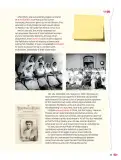
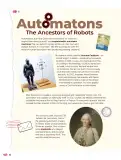
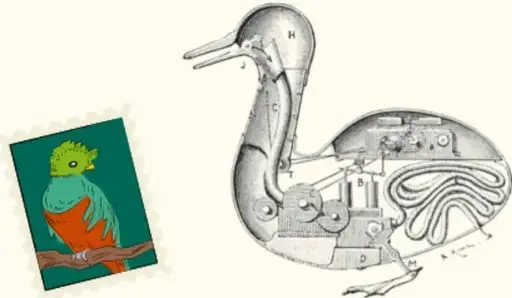
El pato de Jacques de Vaucanson incluía más de 400 piezas que le permitían mover las alas, graznar, beber agua, comer granos, digerir y evacuar. Al parecer, Vaucanson siguió trabajando en un autómata que pudiera realizar todas las funciones biológicas de un ser humano (digestión, circulación sanguínea, respiración, entre otras), pero no pudo terminarlo porque el proyecto era demasiado ambicioso para su época.

Estos y otros autómatas contribuyeron al desarrollo de la robótica. Algunas de sus ideas originales se usan hoy en robots modernos.

Gramática: Past Progressive

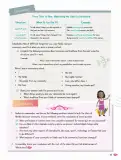
Se usa para hablar de una acción continua en el pasado. Puede describir una acción que comenzó en el pasado y fue interrumpida por otra acción.

Affirmative: subject + was/were + verb (-ing) + object or complement

  • Automatons were becoming more popular when modern robots were invented.

Negative: subject + wasn't/weren't + verb (-ing) + object or complement

  • Leonardo da Vinci wasn't painting the Mona Lisa when he designed the Automa Cavaliere.

Interrogative: was/were + subject + verb (-ing) + object or complement + ?

  • Was Jacques de Vaucanson working on an automaton that could perform bodily functions?
1
Ejercicio 1

Identifica en el texto de lectura una oración que use past progressive y explica por qué se usa.

  1. Busco en el texto formas con was/were + verbo en -ing.
  2. Encuentro: "Automatons were becoming more popular when modern robots were invented."
  3. La acción continua (were becoming) fue interrumpida por otra acción pasada (were invented).
Respuesta

Automatons were becoming more popular when modern robots were invented.* Se usa porque describe una acción en progreso en el pasado que fue interrumpida por otra acción.

2
Ejercicio 2

Convierte a negativa e interrogativa la oración: Jacques de Vaucanson was working on an automaton.

a
Parte 2.a

Negativa

  1. Sujeto: Jacques de Vaucanson.
  2. Verbo auxiliar en pasado: was → negativa wasn't.
  3. Verbo principal en -ing: working.
Respuesta

Jacques de Vaucanson wasn't working on an automaton.*

b
Parte 2.b

Interrogativa

  1. Invierto el orden: Was + sujeto + verbo -ing.
  2. Añado signo de interrogación.
Respuesta

Was Jacques de Vaucanson working on an automaton?*

Ad
3
Ejercicio 3

Completa con la forma correcta del past progressive:

  1. The duck ______ (move) its wings when the inventor arrived.
  2. They ______ (not / build) robots in the 18th century.
  3. ______ the automaton ______ (perform) bodily functions?
3
Ejercicio 3

1

  1. Sujeto singular The duck → was.
  2. Verbo move → moving.
Respuesta

The duck was moving its wings when the inventor arrived.*

3
Ejercicio 3

2

  1. Sujeto plural They → weren't.
  2. Verbo build → building.
Respuesta

They weren't building robots in the 18th century.*

Ad
3
Ejercicio 3

3

  1. Interrogativa: Was/Were + sujeto + verbo -ing.
  2. Sujeto singular the automaton → Was.
  3. Verbo perform → performing.
Respuesta

Was the automaton performing bodily functions?*

Contenido de la página

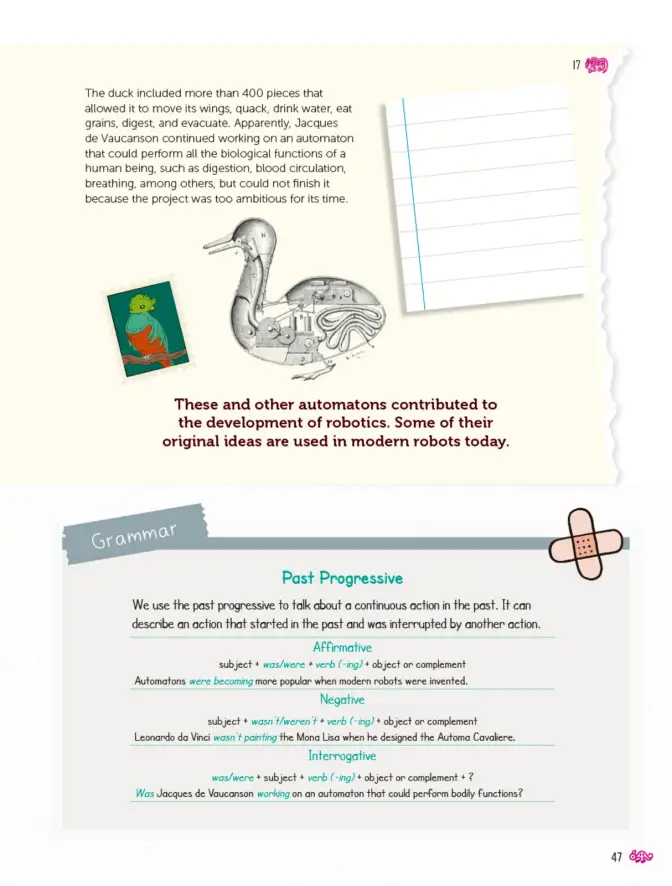
The duck included more than 400 pieces that allowed it to move its wings, quack, drink water, eat grains, digest, and evacuate. Apparently, Jacques de Vaucanson continued working on an automaton that could perform all the biological functions of a human being, such as digestion, blood circulation, breathing, among others, but could not finish it because the project was too ambitious for its time.

These and other automatons contributed to the development of robotics. Some of their original ideas are used in modern robots today.

Grammar

Past Progressive

We use the past progressive to talk about a continuous action in the past. It can describe an action that started in the past and was interrupted by another action.

Affirmative

subject + was/were + verb (-ing) + object or complement

Automatons were becoming more popular when modern robots were invented.

Negative

subject + wasn't/weren't + verb (-ing) + object or complement

Leonardo da Vinci wasn't painting the Mona Lisa when he designed the Automa Cavaliere.

Interrogative

was/were + subject + verb (-ing) + object or complement + ?

Was Jacques de Vaucanson working on an automaton that could perform bodily functions?
Ejemplos resueltos

Automatons were becoming more popular when modern robots were invented.

Acción continua (were becoming) interrumpida por otra acción pasada (were invented).

Leonardo da Vinci wasn't painting the Mona Lisa when he designed the Automa Cavaliere.

Forma negativa: wasn't + painting. Acción continua negada en el pasado.

Was Jacques de Vaucanson working on an automaton that could perform bodily functions?
Forma interrogativa: Was + sujeto + working. Pregunta sobre acción continua pasada.

Tabla

Forma Estructura Ejemplo
Affirmative subject + was/were + verb (-ing) + complement Automatons were becoming more popular.
Negative subject + wasn't/weren't + verb (-ing) + complement Leonardo wasn't painting the Mona Lisa.
Interrogative was/were + subject + verb (-ing) + complement + ? Was Jacques de Vaucanson working on an automaton?

Diagrama

mindmap
  root((Past Progressive))
    Affirmative
      subject + was/were + verb-ing
      Automatons were becoming popular
    Negative
      subject + wasn't/weren't + verb-ing
      Da Vinci wasn't painting
    Interrogative
      was/were + subject + verb-ing + ?
      Was Vaucanson working?

Fórmulas y ecuaciones

subject + was/were + verb (-ing) + object or complement

subject + wasn't/weren't + verb (-ing) + object or complement

was/were + subject + verb (-ing) + object or complement + ?

Glosario (6)

automaton
autómata; máquina que imita movimientos de seres vivos
quack
graznar; sonido que hace un pato
digest
digerir
evacuate
evacuar; expulsar desechos
past progressive
tiempo verbal que expresa una acción continua en el pasado
interrupted
interrumpida

Preguntas para practicar

¿Por qué el proyecto de Vaucanson no pudo terminarse?

Porque era demasiado ambicioso para su época: pretendía reproducir todas las funciones biológicas humanas con la tecnología disponible en el siglo XVIII.

¿Cómo contribuyeron los autómatas al desarrollo de la robótica?

Sus mecanismos e ideas originales inspiraron el diseño de robots modernos, especialmente en el movimiento articulado y la automatización de tareas.

Temas y conceptos clave

Past progressiveAutómatas y robóticaGramática inglesawas/were + verb -ingacción continua en el pasadoacción interrumpidaafirmativa, negativa, interrogativa
¿Te fue útil esta página?

Figuras de la página (3)

Ilustración de un pato autómata mecánico con engranajes internos visibles.
Figura 1 image
Pequeña ilustración de un pato verde y naranja posado en una rama.
Figura 2 image
Hoja de cuaderno con líneas en blanco.
Figura 3 image

Preguntas que la gente también hace

¿Cómo se forma el past progressive en inglés?
Consulta la solución completa arriba o explora el libro entero para temas relacionados.
¿Cuál es la diferencia entre past simple y past progressive?
Consulta la solución completa arriba o explora el libro entero para temas relacionados.
¿Quién fue Jacques de Vaucanson y qué inventó?
Consulta la solución completa arriba o explora el libro entero para temas relacionados.
📌 Antes de leer esto
  • • Verbo to be en pasado (was/were)
  • • Formación del gerundio (-ing)
  • • Vocabulario básico de acciones
Siguiente tema sugerido
Past progressive vs. past simple: acciones interrumpidas
📝 Transcripción de la página (texto seleccionable) 1306 caracteres

The duck included more than 400 pieces that allowed it to move its wings, quack, drink water, eat grains, digest, and evacuate. Apparently, Jacques de Vaucanson continued working on an automaton that could perform all the biological functions of a human being, such as digestion, blood circulation,breathing, among others, but could not finish it because the project was too ambitious for its time.

These and other automatons contributed to the development of robotics. Some of their original ideas are used in modern robots today.

Past Progressive

We use the past progressive to talk about a continuous action in the past. It can describe an action that started in the past and was interrupted by another action.

Affirmative subject + was/were + verb (-ing)+ object or complement Automatons were becoming more popular when modern robots were invented.

Negative

subject + wasn't/weren't + verb (-ing)+ object or complement Leonando da Vinci wasn't painting the Mona Lisa when he designed the Automa Cavaliere.

Interrogative

was/were + subject + venb (-ing)+ object or complement + ?Was Jacques de Vaucanson working on an automaton that could penform bodily functions?

17

![](page=0,bbox=[184, 390, 696, 688])

![](page=0,bbox=[110, 939, 319, 1020])

![](page=0,bbox=[988, 912, 1135, 1048])

47

Ad

Otros libros recomendados

Ver todos →
Ad

Usamos cookies propias y de terceros para personalizar contenido, mostrar publicidad y analizar el tráfico. Las cookies necesarias siempre están activas.