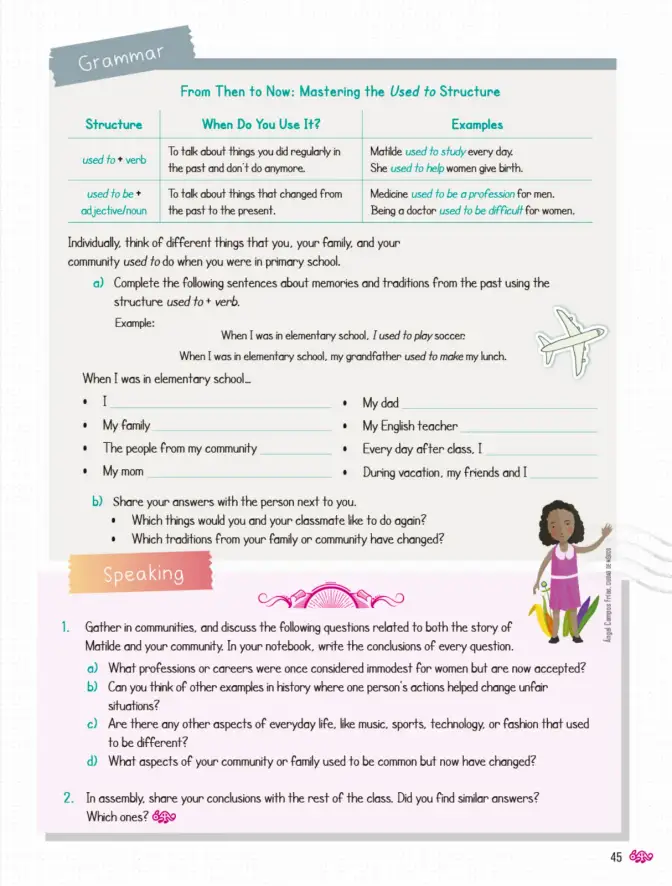
Grammar: From Then to Now — Mastering the Used to Structure
La estructura used to + verbo describe acciones habituales del pasado que ya no se realizan. Used to be + adjetivo/sustantivo describe estados que cambiaron del pasado al presente.
Prueba nacional
TransformarPor universidad (27)
Ficha y soluciones asistidas por IA. Verifica las respuestas.
a) I used to play; My family used to visit; My mom used to read; My dad used to take; My English teacher used to sing; Every day after class I used to do; During vacation my friends and I used to go. b) Respuesta libre. Speaking: a) medicina, ingeniería; b) Gandhi, M. L. King; c) música, tecnología; d) cartas, juegos callejeros.
Uérakua anapu uantakua. Projects and Readings. Libro de Educación Secundaria Grado 2° Ciclo Escolar 2025 - 2026
La estructura used to + verbo describe acciones habituales del pasado que ya no se realizan. Used to be + adjetivo/sustantivo describe estados que cambiaron del pasado al presente.
Respuestas orientativas:
Respuesta orientativa: Me gustaría volver a jugar en el recreo sin preocupaciones y repetir las posadas navideñas de mi comunidad. Las tradiciones que han cambiado incluyen las fiestas patronales, que antes duraban varios días y ahora son más cortas.
Respuesta orientativa: En asamblea compartimos conclusiones y encontramos respuestas similares sobre la igualdad de género y el avance tecnológico; las diferencias surgieron en las tradiciones familiares de cada región.
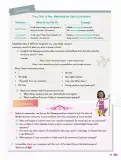
| Structure | When Do You Use It? | Examples |
|---|---|---|
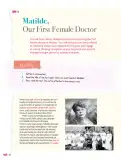
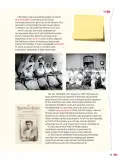
| used to + verb | To talk about things you did regularly in the past and don't do anymore. | Matilde used to study every day. She used to help women give birth. |
| used to be + adjective/noun | To talk about things that changed from the past to the present. | Medicine used to be a profession for men. Being a doctor used to be difficult for women. |
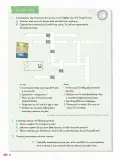
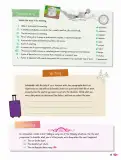
Individually, think of different things that you, your family, and your community used to do when you were in primary school.
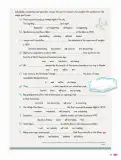
a) Complete the following sentences about memories and traditions from the past using the structure used to + verb.
Example: When I was in elementary school, I used to play soccer. When I was in elementary school, my grandfather used to make my lunch.
When I was in elementary school...
b) Share your answers with the person next to you.
a) What professions or careers were once considered immodest for women but are now accepted? b) Can you think of other examples in history where one person's actions helped change unfair situations? c) Are there any other aspects of everyday life, like music, sports, technology, or fashion that used to be different? d) What aspects of your community or family used to be common but now have changed?
When I was in elementary school, I used to play soccer.
Sujeto + used to + verbo en forma base para indicar hábito pasado.
Medicine used to be a profession for men.
Used to be + sustantivo para indicar un estado que cambió.
| Structure | When Do You Use It? | Examples |
|---|---|---|
| used to + verb | To talk about things you did regularly in the past and don't do anymore. | Matilde used to study every day. She used to help women give birth. |
| used to be + adjective/noun | To talk about things that changed from the past to the present. | Medicine used to be a profession for men. Being a doctor used to be difficult for women. |
What professions were once considered immodest for women?
La medicina, la ingeniería, el pilotaje y la política eran vistas como impropias para mujeres; hoy son plenamente aceptadas.
How has everyday life changed in your community?
Antes se usaban cartas y juegos en la calle; ahora predominan los mensajes digitales y los videojuegos.


Individually, think of different things that you, your family, and your community used to do when you were in primary school.
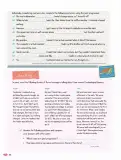
a)Complete the following sentences about memories and traditions from the past using the structure used to + verb.
Example:
When I was in elementary school, I used to play soccer When I was in elementary school, my grandfather used to make my lunch.
When I was in elementary school.
· My dad
· My family my English teacher
•The people from my community Every day after class,I
my mom During vacation, my friends and I
b) Share your answers with the person next to you.
Which things would you and your classmate like to do again?
• Which traditions from your family or community have changed?
Gather in communities, and discuss the following questions related to both the story of Matilde and your community. In your notebook, write the conclusions of every question.
a What professions or careers were once considered immodest for women but are now accepted?
b)Can you think of other examples in history where one person's actions helped change unfair situations?
c)Are there any other aspects of everyday life, like music, sports, technology, or fashion that used to be different?
d)What aspects of your community or family used to be common but now have changed?
| Structure | When Do You Use It? | Examples |
| used to+verb | To talk about things you did regularly in the past and don't do anymore. | Matilde used to study every day. She used to help women give binth. |
| used to be+ adjective/noun | To talk about things that changed from the past to the present. | Medicine used to be a profession for men. Being a doctor used to be difficulf for women. |


45


Colección Sk´asolil. Lenguajes. Libro de Educación Secundaria Grado 2° Ciclo Escolar 2025 - 2026
SEP/CONALITEG
323 págs.

Colección Sk´asolil. Saberes y pensamiento científico. Libro de Educación Secundaria Grado 2° Ciclo Escolar 2025 - 2026
SEP/CONALITEG
339 págs.

Colección Sk´asolil. Ética, naturaleza y sociedades. Libro de Educación Secundaria Grado 2° Ciclo Escolar 2025 - 2026
SEP/CONALITEG
355 págs.

Fichas de Matemática 2 · 2024
Larisa Mansilla Fernández y equipo
100 págs.
Comprensión lectora : manual para el docente de segundo grado de Secundaria 2018 · 2018
MINEDU
194 págs.
Comprensión lectora 2 : manual para el docente de segundo grado de Secundaria · 2017
MINEDU
130 págs.

Fichas de aprendizaje de Comunicación 2 · 2024
Carmen Patricia Cáceres Villanueva y equipo
100 págs.

Uérakua anapu uantakua. Projects and Readings. Libro de Educación Telesecundaria Grado 3° Ciclo Escolar 2025 - 2026
SEP/CONALITEG
187 págs.

Colección Sk´asolil. Lenguajes. Libro de Educación Secundaria Grado 2° Ciclo Escolar 2025 - 2026
SEP/CONALITEG
323 páginas

Colección Sk´asolil. Saberes y pensamiento científico. Libro de Educación Secundaria Grado 2° Ciclo Escolar 2025 - 2026
SEP/CONALITEG
339 páginas

Colección Sk´asolil. Ética, naturaleza y sociedades. Libro de Educación Secundaria Grado 2° Ciclo Escolar 2025 - 2026
SEP/CONALITEG
355 páginas

Fichas de Matemática 2 · 2024
Larisa Mansilla Fernández y equipo
100 páginas
Comprensión lectora : manual para el docente de segundo grado de Secundaria 2018 · 2018
MINEDU
194 páginas
Comprensión lectora 2 : manual para el docente de segundo grado de Secundaria · 2017
MINEDU
130 páginas

Fichas de aprendizaje de Comunicación 2 · 2024
Carmen Patricia Cáceres Villanueva y equipo
100 páginas

Uérakua anapu uantakua. Projects and Readings. Libro de Educación Telesecundaria Grado 3° Ciclo Escolar 2025 - 2026
SEP/CONALITEG
187 páginas
Usamos cookies propias y de terceros para personalizar contenido, mostrar publicidad y analizar el tráfico. Las cookies necesarias siempre están activas.