Let's Create It!
1. Individually, considering everyone else, read the following:
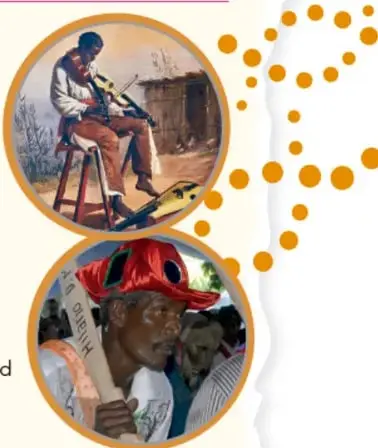
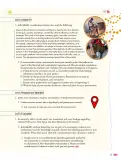
Music in the American continent and Mexico, like the cha-cha, danzón,merengue, cumbia, and tango, carries the vibrant influence of African heritage. The beats of bongoes, maracas, guiro, marimba, and even charrasca (made from a donkey jawbone) make these dances come alive with history. Afro-descendants poured their rhythms and emotions into songs, creating a musical diary expressing strength, resilience, and sometimes sorrow. Los diablos, la tortuga, el macho mula, and el toro de petate are dances that recreate aspects of the daily life of African enslaved on a wooden platform or box (artesa) with carved forms of bulls, cows, or horses. The zapateado symbolizes revenge against the white master.
- In communities, create a presentation about your research project that reflects one aspect of the historical and contemporary experiences of Afro-descendant populations,incorporating the emotions and vocabulary you encountered during your investigation.a) Think about the emotions you felt or read other people felt while finding information and facts for your project.
b) Decide on the structure of your presentation. Remember to include an introduction, development, and conclusion.
c) Practice your presentation and suggest each other ways of improving it.d) With the help of your teacher, decide on a date and place for your presentation.
Let's Present the Results!
Invite your classmates, teachers, and family to attend your presentation.
Gather everyone around, take a deep breath, and present your research.
Ask someone to take pictures or record the presentation.
Let's Evaluate!
In assembly, reflect on the aspect you researched, and your findings regarding enslaved Africans in New Spain and Afro-Mexicans in the present.
Individually, without forgetting you are part of a community, evaluate your performance and the knowledge acquired. Answer the following questions in your notebook: What did I learn? How did I communicate what I learned to others?
Finally, write in your notebooks the assembly agreements reached by the community to continue recovering information and reflecting on the history of Afro-descendant communities in Mexico and their contributions to Mexican culture, both past and present. &
灾
197


17
乐