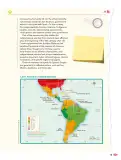












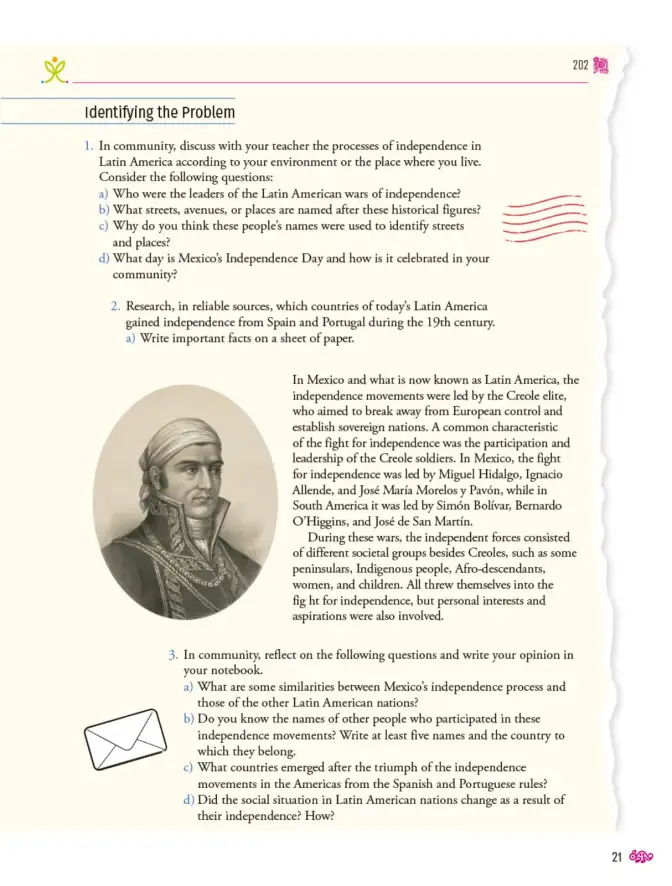
In community, discuss with your teacher the processes of independence in Latin America according to your environment or the place where you live.
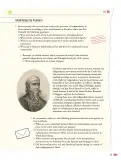
Who were the leaders of the Latin American wars of independence?
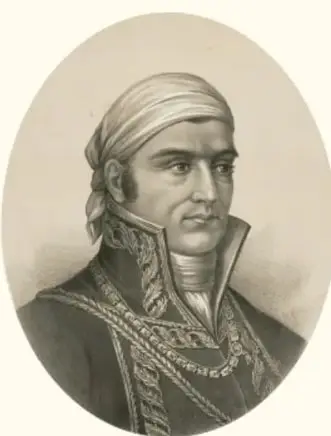
- En México: Miguel Hidalgo y Costilla, Ignacio Allende y José María Morelos y Pavón.
- En Sudamérica: Simón Bolívar, Bernardo O'Higgins y José de San Martín.
- En el resto de la región: José Martí (Cuba), José Artigas (Uruguay), Bernardo Monteagudo (Argentina) y Pedro I (Brasil).
Miguel Hidalgo, Ignacio Allende, José María Morelos, Simón Bolívar, Bernardo O'Higgins y José de San Martín, entre otros.
What streets, avenues, or places are named after these historical figures?
- En México: calle Miguel Hidalgo, avenida Morelos, calle Allende, calle Simón Bolívar.
- En Sudamérica: avenida San Martín (Argentina), avenida O'Higgins (Chile), plaza Bolívar (Venezuela).
- En ciudades de todo el continente se repiten estos nombres en calles, plazas y avenidas principales.
Calles, avenidas y plazas como Miguel Hidalgo, Morelos, Allende, Bolívar, San Martín y O'Higgins.
Why do you think these people's names were used to identify streets and places?
- Los héroes de la independencia representan la identidad y la soberanía nacional.
- Nombrar calles con sus nombres es una forma de honrar su memoria y transmitir valores patrios.
- También sirve para que las nuevas generaciones conozcan la historia del país.
Para honrar a los héroes nacionales, reforzar la identidad y mantener viva la memoria histórica.
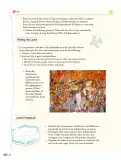
What day is Mexico's Independence Day and how is it celebrated in your community?
- Se celebra el 16 de septiembre.
- La noche del 15 se realiza el Grito de Dolores desde el palacio municipal o nacional.
- El 16 hay desfiles, actos cívicos, música y comida típica en plazas y escuelas.
El 16 de septiembre; se celebra con el Grito, desfiles y actos cívicos.