Saltar al contenido
MisLibrosTexto
Ad

Planning: Identity Handbook Project (Scrapbook or Brochure)

📄 teoria ingles 🎓 otro · 1° TELESECUNDARIA México 🇲🇽 MX 🗣 Español
Página 104
104 de 187
Página 104 de Uérakua anapu uantakua. Projects and Readings.  Libro de Educación Telesecundaria Grado 1°  Ciclo Escolar 2025 - 2026
Anterior Página 104 / 187 Siguiente

Respuesta rápida

Propósito: Manual de Identidad (scrapbook o folleto). Fechas: cronograma acordado. Objetivo: identidad y diversidad lingüística. Estrategias: fuentes orales y documentales.

📚 theory ingles ⭐⭐ Dificultad 2/5 ⏱ 6 min lectura

Solución — Página 104

Uérakua anapu uantakua. Projects and Readings. Libro de Educación Telesecundaria Grado 1° Ciclo Escolar 2025 - 2026

1
Ejercicio 1

In communities, discuss and agree on how to do the following activities. Define the project's purpose: an Identity Handbook using a scrapbook or a brochure. Include all words and phrases proposed by the classroom community members. Mention the materials for each activity. All should be active collaborators.

  1. Reunirse en equipos comunitarios y elegir democráticamente el propósito: elaborar un Identity Handbook (Manual de Identidad).
  2. Decidir el formato: scrapbook (álbum recortes) o brochure (folleto).
  3. Registrar todas las palabras y frases propuestas por los miembros de la comunidad de aula.
  4. Listar materiales: cartulina, hojas de color, tijeras, pegamento, marcadores, recortes, cinta adhesiva, etc.
  5. Asignar roles para que todos sean colaboradores activos (redactor, traductor, diseñador, investigador).

Respuesta orientativa: El propósito es crear un Manual de Identidad que reúna palabras y frases significativas de la comunidad; se elige scrapbook o folleto, se enlistan materiales y todos participan activamente.

2
Ejercicio 2

With the participation of and in agreement with your teacher, establish the deadlines for each activity and the project completion. Refer to the following options to carry out your project.

  1. Acordar con el docente un cronograma: fecha de inicio, recolección, traducción, diseño y entrega final.
  2. Option 1 (Scrapbook): incluir frases, eventos personales o expresiones literarias (poemas, canciones, cuentos) que resuenen con el estudiante. Pedir ayuda al docente o familiar para traducir textos en lengua indígena regional, otro idioma o sistema lingüístico (Braille, lengua de señas).
  3. Option 2 (Brochure): incluir frases o expresiones literarias (poemas, canciones, cuentos) que resuenen con el estudiante. Pedir ayuda para traducir textos en lengua indígena regional, otro idioma o sistema alternativo (Braille, lengua de señas).

Respuesta orientativa: Se establece un calendario con fechas por actividad y entrega final; se elige la Opción 1 o 2 y se solicita apoyo para traducir los textos a otras lenguas o sistemas lingüísticos.

3
Ejercicio 3

In assembly, and with the help of your teacher, choose the objective for this project.

  1. Realizar una asamblea grupal con apoyo del docente.
  2. Objective 1: reconocer la importancia de las lenguas y sus expresiones para dar sentido de identidad individual o colectiva como parte del patrimonio comunitario.
  3. Objective 2: recordar, mediante expresiones artísticas y culturales, la relevancia de la lengua en su encuentro con la diversidad, tal como la expresan los pares de la comunidad.

Respuesta orientativa: En asamblea se elige el Objetivo 1 o 2; ambos buscan valorar la lengua como patrimonio e identidad frente a la diversidad cultural.

Ad
4
Ejercicio 4

In communities, decide which strategies are useful to collect phrases or artistic expressions. You may use your narratives to find identity connections with your community.

  1. Reunirse en comunidades de aula y evaluar estrategias de recolección.
  2. Strategy 1: indagar frases o expresiones literarias con docentes y adultos de la comunidad; las fuentes orales ayudan a traducir y escribir en lenguas indígenas o extranjeras.
  3. Strategy 2: buscar en la biblioteca comunitaria o en fuentes documentales confiables de internet.

Respuesta orientativa: Se combinan fuentes orales (entrevistas a adultos y docentes) y fuentes documentales (biblioteca e internet confiable) para recolectar frases y expresiones artísticas que conecten con la identidad comunitaria.

Contenido de la página

Planning

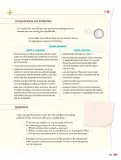
  1. In communities, discuss and agree on how to do the following activities. Define the project's purpose: an Identity Handbook using a scrapbook or a brochure. You should include all the words and phrases proposed by the classroom community members. Remember to mention the materials to be used for each activity. All of you should be active collaborators.

  2. With the participation of and in agreement with your teacher, establish the deadlines for each activity and the project completion. Refer to the following options to carry out your project:

  • Option 1. In a scrapbook include phrases, personal events, or literary expressions such as poems, songs, or stories that resonate with you. Ask your teacher or a family member for help translating texts written in a regional Indigenous language, another language, or a different linguistic system, such as Braille or sign language.
  • Option 2. In a brochure, include phrases or literary expressions such as poems, songs, or stories that resonate with you. Ask your teacher or a family member for help translating the texts written in a regional Indigenous language, another language, or a different linguistic system, such as Braille or sign language.
  1. In assembly, and with the help of your teacher, choose the objective for this project:
  • Objective 1. To acknowledge the importance of languages and their expressions in providing a sense of individual or collective identity as part of the community's heritage.
  • Objective 2. To recall, using artistic and cultural expressions, the relevance of language in its encounter with diversity, as expressed by peers in your community.
  1. In communities, decide which strategies are useful to collect phrases or artistic expressions. You may use your narratives to find identity connections with your community.
  • Strategy 1. Inquire about phrases or literary expressions with teachers and adults in your community. These oral sources of information will help you translate and write in indigenous or foreign languages.
  • Strategy 2. Search in your community library or in reliable documentary sources on the internet.

Tabla

Elemento Opción 1 Opción 2
Formato Scrapbook (álbum de recortes) Brochure (folleto)
Contenido Frases, eventos personales, expresiones literarias Frases o expresiones literarias
Apoyo Docente o familiar para traducir Docente o familiar para traducir
Lenguas Indígena regional, otro idioma, Braille o señas Indígena regional, otro idioma, Braille o señas

Diagrama

flowchart TD
  A[Planning: Identity Handbook] --> B[1. Propósito y materiales]
  A --> C[2. Fechas y opciones]
  C --> C1[Option 1: Scrapbook]
  C --> C2[Option 2: Brochure]
  A --> D[3. Objetivo en asamblea]
  D --> D1[Objective 1: identidad y patrimonio]
  D --> D2[Objective 2: lengua y diversidad]
  A --> E[4. Estrategias de recolección]
  E --> E1[Strategy 1: fuentes orales]
  E --> E2[Strategy 2: biblioteca e internet]

Glosario (8)

Identity Handbook
Manual de Identidad; compilación de frases y expresiones que representan la identidad de una persona o comunidad.
Scrapbook
Álbum de recortes donde se pegan imágenes, textos y recuerdos.
Brochure
Folleto informativo, generalmente doblado, con texto e imágenes.
Deadline
Fecha límite para completar una actividad o entrega.
Indigenous language
Lengua originaria de un pueblo indígena.
Braille
Sistema de lectura y escritura táctil para personas con discapacidad visual.
Sign language
Lengua de señas usada por personas sordas.
Heritage
Patrimonio; conjunto de bienes culturales que se transmiten entre generaciones.

Preguntas para practicar

Why is it important to include words and phrases from the classroom community in the Identity Handbook?

Porque reflejan la identidad colectiva y el patrimonio lingüístico del grupo, fomentan la participación de todos y dan sentido de pertenencia.

How can translating texts into an Indigenous language, Braille or sign language enrich the project?

Amplía la diversidad lingüística, promueve la inclusión de personas con discapacidad y valora las lenguas originarias como parte del patrimonio cultural.

Temas y conceptos clave

Planeación de proyectoIdentity HandbookScrapbook y brochureObjetivos del proyectoEstrategias de recolección de informaciónIdentity HandbookScrapbookBrochureDeadlinesIndigenous languageBrailleSign languageCommunity heritage

Fuentes y referencias

  • Biblioteca comunitaria
  • Fuentes documentales confiables en internet
¿Te fue útil esta página?

Figuras de la página (2)

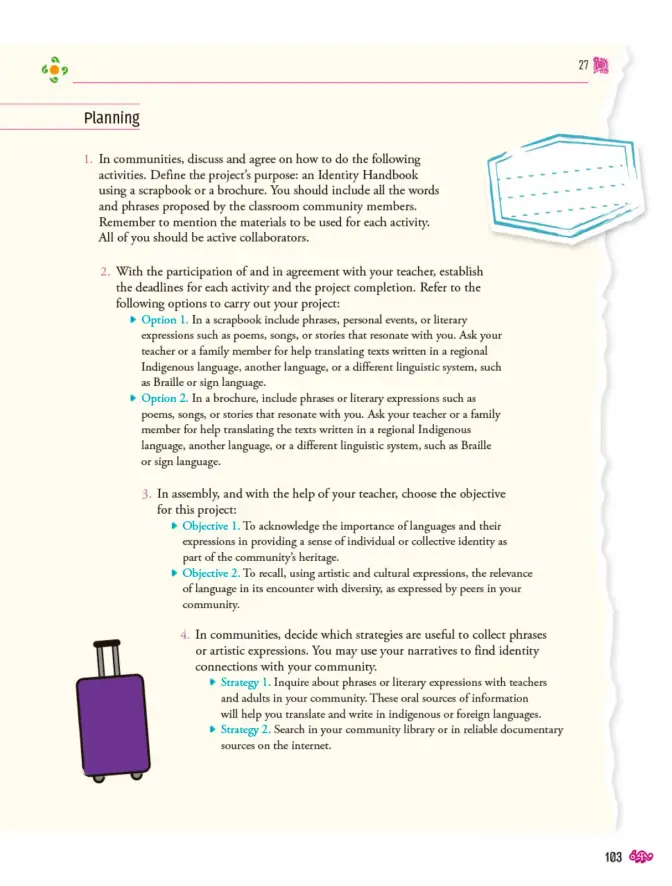
Recuadro decorativo con líneas punteadas, tipo etiqueta o nota.
Figura 1 image
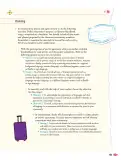
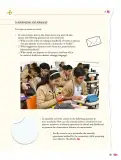
Ilustración de una maleta morada con ruedas, símbolo de viaje o proyecto.
Figura 2 image

Preguntas que la gente también hace

¿Qué es un Identity Handbook y cómo se elabora?
Consulta la solución completa arriba o explora el libro entero para temas relacionados.
¿Cómo se planea un proyecto escolar en inglés paso a paso?
Consulta la solución completa arriba o explora el libro entero para temas relacionados.
¿Cómo incluir lenguas indígenas o Braille en un proyecto de inglés?
Consulta la solución completa arriba o explora el libro entero para temas relacionados.
📌 Antes de leer esto
  • • Vocabulario básico en inglés sobre proyectos y materiales
  • • Nociones de trabajo en equipo y asamblea
  • • Conocimiento de expresiones literarias sencillas (poemas, canciones, cuentos)
Siguiente tema sugerido
Elaboración del Identity Handbook: recolección y traducción de frases y expresiones literarias
📝 Transcripción de la página (texto seleccionable) 2216 caracteres

Planning

  1. In communities, discuss and agree on how to do the following activities. Define the project's purpose: an Identity Handbook using a scrapbook or a brochure. You should include all the words and phrases proposed by the classroom community members.Remember to mention the materials to be used for each activity.All of you should be active collaborators.

  2. With the participation of and in agreement with your teacher, establish the deadlines for each activity and the project completion. Refer to the following options to carry out your project:

Option 1. In a scrapbook include phrases, personal events, or literary expressions such as poems, songs, or stories that resonate with you. Ask your teacher or a family member for help translating texts written in a regional Indigenous language, another language, or a different linguistic system, such as Braille or sign language.

Option 2. In a brochure, include phrases or literary expressions such as poems, songs, or stories that resonate with you. Ask your teacher or a family member for help translating the texts written in a regional Indigenous language, another language, or a different linguistic system, such as Braille or sign language.

  1. In assembly, and with the help of your teacher, choose the objective for this project:

Objective 1. To acknowledge the importance of languages and their expressions in providing a sense of individual or collective identity as part of the community's heritage.

Objective 2. To recall, using artistic and cultural expressions, the relevance of language in its encounter with diversity, as expressed by peers in your community.

  1. In communities, decide which strategies are useful to collect phrases or artistic expressions. You may use your narratives to find identity connections with your community.

Strategy 1. Inquire about phrases or literary expressions with teachers and adults in your community. These oral sources of information will help you translate and write in indigenous or foreign languages.

Strategy 2. Search in your community library or in reliable documentary sources on the internet.

27

![](page=0,bbox=[877, 237, 1168, 446])

![](page=0,bbox=[135, 1146, 273, 1412])

103
Ad

Otros libros recomendados

Ver todos →
Ad

Usamos cookies propias y de terceros para personalizar contenido, mostrar publicidad y analizar el tráfico. Las cookies necesarias siempre están activas.