Saltar al contenido
MisLibrosTexto
Ad

Manual para el manejo de residuos: proyecto comunitario

📄 ejercicios ingles 🎓 otro · 1° TELESECUNDARIA México 🇲🇽 MX 🗣 Español
Página 115
115 de 187
Página 115 de Uérakua anapu uantakua. Projects and Readings.  Libro de Educación Telesecundaria Grado 1°  Ciclo Escolar 2025 - 2026
Anterior Página 115 / 187 Siguiente

Respuesta rápida

  1. Errores: no separar basura y tirarla en la calle. 2. Listas con should/must. 3. Folleto engrapado. 4. Ayuda a la comunidad y al hogar.
📚 exercise ingles ⭐⭐ Dificultad 2/5 ⏱ 8 min lectura

Solución — Página 115

Uérakua anapu uantakua. Projects and Readings. Libro de Educación Telesecundaria Grado 1° Ciclo Escolar 2025 - 2026

1
Ejercicio 1

Discuss common errors that people from your community make when managing their waste. Think of the most common types of trash you see in the streets.

Respuesta orientativa:

  1. Errores comunes: mezclar residuos orgánicos con inorgánicos, tirar basura en las calles y no separar plásticos, vidrio ni papel.
  2. Tipos de basura más frecuentes: envolturas de plástico, botellas PET, bolsas, colillas de cigarro, residuos de comida y papel.
  3. Consecuencia: obstrucción de alcantarillas, contaminación del suelo y proliferación de fauna nociva.
Respuesta

Los errores más comunes son no separar la basura y tirarla en la vía pública; los residuos más vistos son plásticos, botellas y envolturas.

2
Ejercicio 2

Gather the information you need and make a list of recommendations and another list of prohibitions to help the people in your community handle waste better.

a
Parte 2.a

Then, make a list of tips related to the management of waste and items you can recycle. Everything you consider useful for your community can be there. You can include the phone numbers of the institutions in charge of garbage collection.

Respuesta orientativa:

  • Tips: separar residuos en orgánicos e inorgánicos; lavar envases antes de reciclarlos; reutilizar bolsas y frascos; compostar restos de comida.
  • Materiales reciclables: papel, cartón, vidrio, plástico PET, aluminio y tetrapak.
  • Instituciones: número de la Dirección de Servicios Públicos o de limpia municipal (el estudiante debe investigarlo en su localidad).
Respuesta

Lista de tips y materiales reciclables elaborada; incluir teléfonos de recolección de basura local.

b
Parte 2.b

Use the modal verbs you just learned.

Respuesta orientativa:

  • Recomendaciones: You should separate your waste. You can recycle plastic bottles. We must protect our streets.
  • Prohibiciones: You must not throw trash on the street. You should not burn plastic. People cannot dump waste in the river.
Respuesta

Se usan should, can, must, must not, cannot para recomendaciones y prohibiciones.

c
Parte 2.c

Share your ideas with your teacher and ask for feedback from the classroom community.

Respuesta orientativa: El estudiante presenta sus listas al docente y a sus compañeros, escucha sugerencias y mejora el contenido antes de armar el manual.

Respuesta

Ideas compartidas y retroalimentación recibida.

3
Ejercicio 3

To assemble your manual, fold the paper sheets together to create a booklet; calculate how many sheets you will need according to the content you've created.

a
Parte 3.a

Leave the front page blank to create the cover.

Respuesta

La primera hoja se deja en blanco para la portada.

b
Parte 3.b

Copy the lists of tips, recommendations, and prohibitions you made into the pages of your manual. You can illustrate it with the magazine and newspaper clippings, or make drawings to make it visually attractive for your readers.

Respuesta

Las listas se copian en las páginas interiores y se ilustran con recortes o dibujos.

c
Parte 3.c

Create a cover for your manual. Be very creative and make it attractive to others.

Respuesta

Portada creativa con título, imágenes y colores llamativos.

d
Parte 3.d

Write the title of your manual and the names of the authors (your community members).

Respuesta

Título del manual y nombres de los autores (integrantes de la comunidad) escritos en la portada.

e
Parte 3.e

Once the manual is ready, with the help of your teacher, use the stapler to bind the sheets of paper to form a booklet.

Respuesta

Las hojas se engrapan con ayuda del docente para formar el folleto.

f
Parte 3.f

Share your manuals with the rest of your classmates and exchange feedback.

Respuesta

Los manuales se comparten con los compañeros y se intercambian comentarios.

Ad
4
Ejercicio 4

In assembly, discuss the following questions:

a
Parte 4.a

Who do you think this manual will help?

Respuesta orientativa: Ayudará a las familias, vecinos y autoridades locales a mejorar la separación y disposición de la basura, y a reducir la contaminación en la comunidad.

Respuesta

A las familias y vecinos de la comunidad.

b
Parte 4.b

Will it be helpful for you at home?

Respuesta orientativa: Sí, porque en casa se pueden aplicar los tips de separación, reciclaje y reducción de residuos, mejorando el ambiente y los hábitos familiares.

Respuesta

Sí, porque permite aplicar en casa lo aprendido sobre reciclaje y manejo de residuos.

Contenido de la página

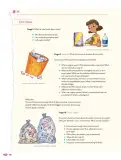
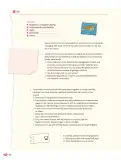
Materials

  • Magazines or newspapers clippings
  • Colored pencils/crayons/markers
  • Stapler
  • Paper sheets
  • Scissors
  1. Discuss common errors that people from your community make when managing their waste. Think of the most common types of trash you see in the streets.

  2. Gather the information you need and make a list of recommendations and another list of prohibitions to help the people in your community handle waste better. a) Then, make a list of tips related to the management of waste and items you can recycle. Everything you consider useful for your community can be there. You can include the phone numbers of the institutions in charge of garbage collection. b) Use the modal verbs you just learned. c) Share your ideas with your teacher and ask for feedback from the classroom community.

  3. To assemble your manual, fold the paper sheets together to create a booklet; calculate how many sheets you will need according to the content you've created. a) Leave the front page blank to create the cover. b) Copy the lists of tips, recommendations, and prohibitions you made into the pages of your manual. You can illustrate it with the magazine and newspaper clippings, or make drawings to make it visually attractive for your readers. c) Create a cover for your manual. Be very creative and make it attractive to others. d) Write the title of your manual and the names of the authors (your community members). e) Once the manual is ready, with the help of your teacher, use the stapler to bind the sheets of paper to form a booklet. f) Share your manuals with the rest of your classmates and exchange feedback.

  4. In assembly, discuss the following questions: a) Who do you think this manual will help? b) Will it be helpful for you at home?

Glosario (7)

waste
basura o residuo
clippings
recortes de periódico o revista
stapler
engrapadora
booklet
folleto o cuadernillo
modal verbs
verbos modales (should, must, can)
garbage collection
recolección de basura
feedback
retroalimentación

Preguntas para practicar

Who do you think this manual will help?

Ayudará a las familias, vecinos y autoridades locales a mejorar la separación y disposición de la basura, y a reducir la contaminación en la comunidad.

Will it be helpful for you at home?

Sí, porque en casa se pueden aplicar los tips de separación, reciclaje y reducción de residuos, mejorando el ambiente y los hábitos familiares.

Temas y conceptos clave

Manejo de residuosVerbos modalesElaboración de manualesTrabajo colaborativoRecomendacionesProhibicionesReciclajeVerbos modalesManual comunitario
¿Te fue útil esta página?

Figuras de la página (3)

Ilustración de una tortuga marina nadando, enmarcada en un sello postal.
Figura 1 image
Nota adhesiva color durazno con esquina doblada.
Figura 2 image
Ilustración de un boleto o ticket con un autobús.
Figura 3 image

Preguntas que la gente también hace

¿Cómo se usan los verbos modales should y must en inglés?
Consulta la solución completa arriba o explora el libro entero para temas relacionados.
¿Qué es un manual comunitario y cómo se elabora?
Consulta la solución completa arriba o explora el libro entero para temas relacionados.
¿Cómo puedo reciclar la basura en mi casa y escuela?
Consulta la solución completa arriba o explora el libro entero para temas relacionados.
📌 Antes de leer esto
  • • Vocabulario básico sobre basura y reciclaje en inglés
  • • Uso de verbos modales (should, must, can)
  • • Habilidad para seguir instrucciones escritas en inglés
Siguiente tema sugerido
Presentación oral del manual y evaluación de su impacto comunitario
📝 Transcripción de la página (texto seleccionable) 1884 caracteres

Materials

D Magazines or newspapers clippings Colored pencils/crayons/markers )Stapler Paper sheets )Scissors

1.Discuss common errors that people from your community make when managing their waste. Think of the most common types of trash you see in the streets.

Gather the information you need and make a list of recommendations and another list of prohibitions to help the people in your community handle waste better.

a) Then, make a list of tips related to the management of waste and items you can recycle. Everything you consider useful for your community can be there. You can include the phone numbers of the institutions in charge of garbage collection.

b) Use the modal verbs you just learned.

c) Share your ideas with your teacher and ask for feedback from the classroom community.

  1. To assemble your manual, fold the paper sheets together to create a booklet;calculate how many sheets you will need according to the content you've created.

a) Leave the front page blank to create the cover.

b) Copy the lists of tips, recommendations, and prohibitions you made into the pages ofyour manual. You can illustrate it with the magazine and newspaper clippings, or make drawings to make it visually attractive for your readers.

C Create a cover for your manual. Be very creative and make it attractive to others.

d) Write the title of your manual and the names of the authors (your community members).

Once the manual is ready, with the help of your teacher, use the stapler to bind the sheets of paper to form a booklet.

f) Share your manuals with the rest of your classmates and exchange feedback.

4.In assembly, discuss the following questions:a) Who do you think this manual will help?b) Will it be helpful for you at home?

268

![](page=0,bbox=[802, 211, 979, 357])

![](page=0,bbox=[78, 486, 390, 749])

![](page=0,bbox=[299, 1327, 494, 1435])

A

114
Ad

Otros libros recomendados

Ver todos →
Ad

Usamos cookies propias y de terceros para personalizar contenido, mostrar publicidad y analizar el tráfico. Las cookies necesarias siempre están activas.