
















Saltar al contenido
MisLibrosTexto
Ad

Stage II: Research – Social Media and Teenagers

📄 ejercicios ingles 🎓 otro · 1° TELESECUNDARIA México 🇲🇽 MX 🗣 Español
Página 120
120 de 187
Página 120 de Uérakua anapu uantakua. Projects and Readings.  Libro de Educación Telesecundaria Grado 1°  Ciclo Escolar 2025 - 2026
Anterior Página 120 / 187 Siguiente

Respuesta rápida

Selecciona una categoría, formula un tema investigable y responde las preguntas guía mediante encuestas y fuentes documentales. Traducción al español incluida.

📚 exercise ingles ⭐⭐ Dificultad 2/5 ⏱ 8 min lectura

Solución — Página 120

Uérakua anapu uantakua. Projects and Readings. Libro de Educación Telesecundaria Grado 1° Ciclo Escolar 2025 - 2026

1
Ejercicio 1

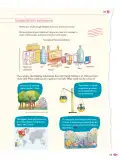
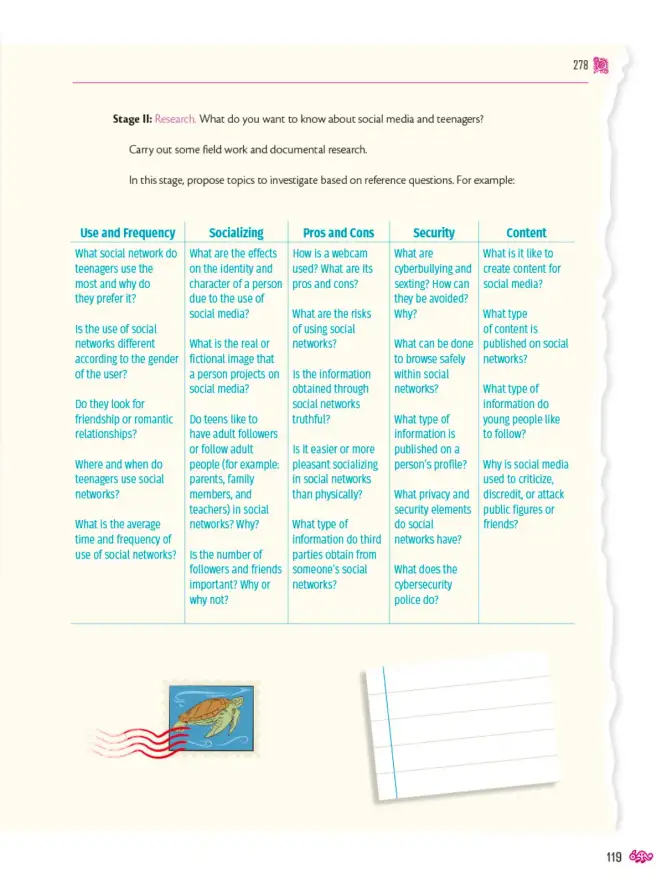
Stage II: Research. What do you want to know about social media and teenagers? Carry out some field work and documental research. Propose topics to investigate based on reference questions.

  1. La página no plantea un ejercicio con respuesta única, sino una guía de investigación. Se debe elegir una categoría y formular un tema investigable.
  2. Ejemplo de tema derivado de Use and Frequency: "Frecuencia y motivos de uso de redes sociales en estudiantes de primer grado de telesecundaria".
  3. Ejemplo de tema derivado de Socializing: "Efectos del uso de redes sociales en la identidad y el carácter de los adolescentes".
  4. Ejemplo de tema derivado de Pros and Cons: "Ventajas y riesgos del uso de redes sociales en la comunicación familiar".
  5. Ejemplo de tema derivado de Security: "Privacidad y ciberseguridad en perfiles de adolescentes".
  6. Ejemplo de tema derivado de Content: "Tipos de contenido que consumen y publican los jóvenes en redes sociales".

Respuesta orientativa: El estudiante debe seleccionar una categoría, transformar las preguntas guía en un tema de investigación y planear trabajo de campo (encuestas, entrevistas) y documental (fuentes confiables).


2
Ejercicio 2

Traducción de las preguntas guía al español.

a
Parte 2.a

Use and Frequency

  1. ¿Qué red social usan más los adolescentes y por qué la prefieren?
  2. ¿El uso de redes sociales es diferente según el género del usuario?
  3. ¿Buscan amistad o relaciones románticas?
  4. ¿Dónde y cuándo usan los adolescentes las redes sociales?
  5. ¿Cuál es el tiempo y la frecuencia promedio de uso de las redes sociales?
Respuesta

Preguntas traducidas y listas para guiar la investigación.

b
Parte 2.b

Socializing

  1. ¿Cuáles son los efectos en la identidad y el carácter de una persona por el uso de redes sociales?
  2. ¿Cuál es la imagen real o ficticia que una persona proyecta en redes sociales?
  3. ¿A los adolescentes les gusta tener seguidores adultos o seguir a adultos (padres, familiares, docentes) en redes sociales? ¿Por qué?
  4. ¿Es importante el número de seguidores y amigos? ¿Por qué sí o por qué no?
Respuesta

Preguntas traducidas y listas para guiar la investigación.

c
Parte 2.c

Pros and Cons

  1. ¿Cómo se usa una cámara web? ¿Cuáles son sus pros y contras?
  2. ¿Cuáles son los riesgos de usar redes sociales?
  3. ¿La información obtenida a través de redes sociales es veraz?
  4. ¿Es más fácil o agradable socializar en redes sociales que físicamente?
  5. ¿Qué tipo de información obtienen terceros de las redes sociales de alguien?
Respuesta

Preguntas traducidas y listas para guiar la investigación.

d
Parte 2.d

Security

  1. ¿Qué son el ciberacoso y el sexting? ¿Cómo pueden evitarse? ¿Por qué?
  2. ¿Qué se puede hacer para navegar de forma segura en redes sociales?
  3. ¿Qué tipo de información se publica en el perfil de una persona?
  4. ¿Qué elementos de privacidad y seguridad tienen las redes sociales?
  5. ¿Qué hace la policía de ciberseguridad?
Respuesta

Preguntas traducidas y listas para guiar la investigación.

e
Parte 2.e

Content

  1. ¿Cómo es crear contenido para redes sociales?
  2. ¿Qué tipo de contenido se publica en redes sociales?
  3. ¿Qué tipo de información les gusta seguir a los jóvenes?
  4. ¿Por qué se usan las redes sociales para criticar, desacreditar o atacar a figuras públicas o amigos?
Respuesta

Preguntas traducidas y listas para guiar la investigación.

Contenido de la página

Stage II: Research. What do you want to know about social media and teenagers?

Carry out some field work and documental research.

In this stage, propose topics to investigate based on reference questions. For example:

Use and Frequency Socializing Pros and Cons Security Content
What social network do teenagers use the most and why do they prefer it? Is the use of social networks different according to the gender of the user? Do they look for friendship or romantic relationships? Where and when do teenagers use social networks? What is the average time and frequency of use of social networks? What are the effects on the identity and character of a person due to the use of social media? What is the real or fictional image that a person projects on social media? Do teens like to have adult followers or follow adult people (for example: parents, family members, and teachers) in social networks? Why? Is the number of followers and friends important? Why or why not? How is a webcam used? What are its pros and cons? What are the risks of using social networks? Is the information obtained through social networks truthful? Is it easier or more pleasant socializing in social networks than physically? What type of information do third parties obtain from someone's social networks? What are cyberbullying and sexting? How can they be avoided? Why? What can be done to browse safely within social networks? What type of information is published on a person's profile? What privacy and security elements do social networks have? What does the cybersecurity police do? What is it like to create content for social media? What type of content is published on social networks? What type of information do young people like to follow? Why is social media used to criticize, discredit, or attack public figures or friends?

Tabla

Use and Frequency Socializing Pros and Cons Security Content
What social network do teenagers use the most and why do they prefer it? Is the use of social networks different according to the gender of the user? Do they look for friendship or romantic relationships? Where and when do teenagers use social networks? What is the average time and frequency of use of social networks? What are the effects on the identity and character of a person due to the use of social media? What is the real or fictional image that a person projects on social media? Do teens like to have adult followers or follow adult people (for example: parents, family members, and teachers) in social networks? Why? Is the number of followers and friends important? Why or why not? How is a webcam used? What are its pros and cons? What are the risks of using social networks? Is the information obtained through social networks truthful? Is it easier or more pleasant socializing in social networks than physically? What type of information do third parties obtain from someone's social networks? What are cyberbullying and sexting? How can they be avoided? Why? What can be done to browse safely within social networks? What type of information is published on a person's profile? What privacy and security elements do social networks have? What does the cybersecurity police do? What is it like to create content for social media? What type of content is published on social networks? What type of information do young people like to follow? Why is social media used to criticize, discredit, or attack public figures or friends?

Diagrama

mindmap
  root((Social Media and Teenagers))
    Use and Frequency
      Most used network
      Gender differences
      Time and frequency
    Socializing
      Identity effects
      Projected image
      Adult followers
    Pros and Cons
      Webcam use
      Risks
      Truthfulness
    Security
      Cyberbullying
      Sexting
      Privacy
    Content
      Creation
      Published content
      Criticism and attacks

Glosario (7)

field work
trabajo de campo; recolección de datos en el entorno real
documental research
investigación documental; búsqueda en fuentes escritas o digitales
social media
redes sociales
cyberbullying
ciberacoso; agresión repetida mediante medios digitales
sexting
envío de mensajes o imágenes de contenido sexual
privacy
privacidad
cybersecurity
ciberseguridad

Preguntas para practicar

What do you want to know about social media and teenagers?

Quiero saber con qué frecuencia usan los adolescentes las redes sociales, qué buscan en ellas y cómo afectan su identidad y seguridad. También me interesa conocer los riesgos como el ciberacoso y el sexting, y qué hacen para protegerse.

Why is social media used to criticize, discredit, or attack public figures or friends?

Porque el anonimato y la distancia que ofrecen las redes reducen la percepción de consecuencias, y porque la viralidad premia el conflicto. Además, muchas veces se busca validación social o descargar emociones sin medir el daño.

Temas y conceptos clave

Uso y frecuencia de redes socialesSocialización en redesPros y contrasSeguridad digitalContenido en redes socialesfield workdocumental researchsocial mediacyberbullyingsextingprivacycybersecurity
¿Te fue útil esta página?

Figuras de la página (2)

Estampilla con ilustración de una tortuga marina y líneas de matasellos rojas.
Figura 1 image
Hoja de papel rayada en blanco, inclinada, que representa una nota o borrador de investigación.
Figura 2 image

Preguntas que la gente también hace

¿Qué red social usan más los adolescentes y por qué?
Consulta la solución completa arriba o explora el libro entero para temas relacionados.
¿Cómo afectan las redes sociales la identidad de los jóvenes?
Consulta la solución completa arriba o explora el libro entero para temas relacionados.
¿Qué riesgos de seguridad existen en las redes sociales?
Consulta la solución completa arriba o explora el libro entero para temas relacionados.
📌 Antes de leer esto
  • • Vocabulario básico en inglés sobre tecnología y comunicación
  • • Uso de preguntas WH (what, why, how, where, when)
  • • Nociones de investigación escolar
Siguiente tema sugerido
Stage III: Organize and present research findings
📝 Transcripción de la página (texto seleccionable) 2075 caracteres

Stage ll: Research. What do you want to know about social media and teenagers?

Carry out some field work and documental research.

In this stage, propose topics to investigate based on reference questions. For example:

278

Use and FrequencySocializingPros and ConsSecurityContent
what social network do teenagers use the most and why do they prefer it? Is the use of social networks different according to the gender of the user? Do they look for friendship or romantic relationships? Where and when do teenagers use social networks? what is the average time and frequency of use of social networks?What are the effects on the identity and character of a person due to the use of social media? what is the real or fictional image that a person projects on social media? Do teens like to have adult followers or follow adult people (for example: parents, family members, and teachers) in social networks? why? Is the number of followers and friends important? why or why not?How is a webcam used? What are its pros and cons? what are the risks of using social networks? Is the information obtained through social networks truthful? Is it easier or more pleasant socializing in social networks than physically? What type of information do third parties obtain from someone's social networks?What are cyberbullying and sexting? How can they be avoided? Why? what can be done to browse safely within social networks? what type of information is published on a person's profile? what privacy and security elements do social networks have? what does the cybersecurity police do?What is it like to create content for social media? what type of content is published on social networks? what type of information do young people like to follow? why is social media used to criticize, discredit, or attack public figures or friends?

![](page=0,bbox=[151, 1224, 463, 1369])

![](page=0,bbox=[646, 1198, 1009, 1448])

119

Ad

Otros libros recomendados

Ver todos →
Ad

Usamos cookies propias y de terceros para personalizar contenido, mostrar publicidad y analizar el tráfico. Las cookies necesarias siempre están activas.