















Saltar al contenido
MisLibrosTexto
Ad

Identifying Emotions and Inquiry Design: That's the Question!

📄 ejercicios educacion-ciudadania 🎓 otro · 1° TELESECUNDARIA México 🇲🇽 MX 🗣 Español
Página 124
124 de 187
Página 124 de Uérakua anapu uantakua. Projects and Readings.  Libro de Educación Telesecundaria Grado 1°  Ciclo Escolar 2025 - 2026
Anterior Página 124 / 187 Siguiente

Respuesta rápida

  1. Dinámica: escribir emoción, pasar papel, pegar en espalda, leer y representar con mímica hasta adivinar. 2. Reflexión: las emociones influyen en la convivencia; regularlas evita conflictos.
📚 exercise educacion-ciudadania ⭐⭐ Dificultad 2/5 ⏱ 8 min lectura

Solución — Página 124

Uérakua anapu uantakua. Projects and Readings. Libro de Educación Telesecundaria Grado 1° Ciclo Escolar 2025 - 2026

1
Ejercicio 1

In community, carry out the dynamic Identifying the Emotions of Others, which consists of deducing your classmates' emotions, feelings, and moods. Follow these instructions:

a
Parte 1.a

Write down an emotion, feeling, or mood on a sheet of paper. You should ensure that your classmates cannot see the contents of the sheet. When you are finished, fold the paper in half.

Respuesta orientativa: Cada estudiante escribe en secreto una emoción (por ejemplo, joy, anger, sadness, fear, surprise) o un estado de ánimo (por ejemplo, calm, nervous, excited) y dobla el papel para que nadie lo vea.

b
Parte 1.b

Form a circle and pass the paper three places to the right. This means that each student passes their paper to the person on their right and receives a paper from the person on their left.

Respuesta orientativa: Se forma un círculo y cada papel se pasa tres veces hacia la derecha, de modo que cada estudiante recibe un papel distinto al que escribió.

c
Parte 1.c

With the help of a classmate, tape the paper to your back.

Respuesta orientativa: Un compañero pega con cinta el papel doblado en la espalda de cada estudiante, sin que este vea su contenido.

d
Parte 1.d

Walk around the room.

Respuesta orientativa: Los estudiantes caminan por el aula para encontrarse con otros y leer las emociones escritas en sus espaldas.

e
Parte 1.e

Each time you meet another student, silently read the emotion, feeling, or mood described on their back.

Respuesta orientativa: Al cruzarse, cada estudiante lee en silencio la emoción o estado de ánimo que lleva el otro en la espalda.

f
Parte 1.f

Stand in front of the other students and use mime to represent for them the emotion, feeling, or mood that is written on their backs.

Respuesta orientativa: Cada estudiante representa con mímica (gestos, posturas, expresiones faciales) la emoción que leyó en la espalda de su compañero, sin hablar.

g
Parte 1.g

If the other student guesses the emotion correctly, they sit down.

Respuesta orientativa: Si el compañero adivina la emoción que se representa, se sienta y sale del juego.

h
Parte 1.h

The game continues until everyone has guessed what is written on their back and has returned to their original place.

Respuesta orientativa: La dinámica termina cuando todos han adivinado su emoción y vuelven a su lugar original.
2
Ejercicio 2

Reflect on the emotions, feelings, and moods you identified in this activity. Discuss the importance of emotions and human relationships in daily life, as well as how they influence coexistence.

Respuesta orientativa: Las emociones son parte esencial de las relaciones humanas porque nos permiten comunicar necesidades, comprender a los demás y regular nuestras reacciones. Reconocerlas y expresarlas adecuadamente favorece la empatía, la comunicación asertiva y una convivencia pacífica. Cuando no se regulan, pueden generar conflictos; por eso es importante aprender a gestionarlas.

Inquiry Design and Development: That's the Question!

1
Ejercicio 1

Collectively, read the following text:

Texto (traducción): La forma en que comunicamos nuestras necesidades es a través de la expresión de nuestras propias emociones, sentimientos y estados de ánimo. Gracias a esta expresión, podemos reconocerlos en nosotros mismos y en los demás. Desde el nacimiento, en la familia y con las personas cercanas, vivimos experiencias emocionales constantes. Mediante actividades significativas (como alimentar, cuidar y jugar), los niños aprenden a identificar las emociones de los demás; por ejemplo, cuando una madre o un padre expresa alegría, enojo o tristeza. A medida que crecemos, expresamos nuestras emociones con más intensidad en otros ámbitos. Por ejemplo, cuando vemos un deporte y nuestro jugador favorito hace una jugada maestra o gana el partido, el público expresa su alegría de forma tan espontánea que se contagia a todos los demás.

Las emociones están presentes en la toma de decisiones y se manifiestan en reacciones ante una situación y en la convivencia con los demás. La falta de regulación emocional o la dificultad para manejar estados emocionales intensos puede generar conflictos o problemas en la vida emocional y social. Por esta razón, es importante aprender a gestionar y articular las emociones adecuadamente.

Respuesta orientativa: El texto explica que las emociones se aprenden y se expresan desde la familia y se intensifican en la adolescencia. La regulación emocional es clave para evitar conflictos y mejorar la convivencia.

Contenido de la página

1. In community, carry out the dynamic Identifying the Emotions of Others

which consists of deducing your classmates' emotions, feelings, and moods. Follow these instructions:

  • a) Write down an emotion, feeling, or mood on a sheet of paper. You should ensure that your classmates cannot see the contents of the sheet. When you are finished, fold the paper in half.
  • b) Form a circle and pass the paper three places to the right. This means that each student passes their paper to the person on their right and receives a paper from the person on their left.
  • c) With the help of a classmate, tape the paper to your back.
  • d) Walk around the room.
  • e) Each time you meet another student, silently read the emotion, feeling, or mood described on their back.
  • f) Stand in front of the other students and use mime to represent for them the emotion, feeling, or mood that is written on their backs.
  • g) If the other student guesses the emotion correctly, they sit down.
  • h) The game continues until everyone has guessed what is written on their back and has returned to their original place.

2. Reflect on the emotions, feelings, and moods you identified in this activity.

Discuss the importance of emotions and human relationships in daily life, as well as how they influence coexistence.


INQUIRY DESIGN AND DEVELOPMENT

That's the Question!

1. Collectively, read the following text:

The way we communicate our needs is through the expression of our own emotions, feelings, and moods. Thanks to this expression, we can recognize them in ourselves and others. From birth, in the family, and with close people, we live constant emotional experiences. Through meaningful activities (such as feeding, caring, and playing), children learn to identify the emotions of others; for example, when a mother or father expresses joy, anger, or sadness. As we grow up, we express our emotions more intensely in other areas. For example, when we watch a sport, and our favorite player makes a master move or wins the game, the audience expresses their joy so spontaneously that it is spread to everyone else.

Emotions are present in decision-making and manifest themselves in reactions to a situation and in coexistence with others. The lack of emotional regulation or difficulty managing intense emotional states can generate conflicts or problems in emotional and social life. For this reason, it is important to learn how to manage and articulate emotions properly.


Perla Areli Zúñiga Aguilar, ZACATECAS

Glosario (6)

emotion
Respuesta compleja del organismo que incluye componentes fisiológicos, cognitivos y conductuales (ej. alegría, miedo).
feeling
Experiencia subjetiva y consciente de una emoción.
mood
Estado de ánimo general y prolongado que influye en la percepción y conducta.
mime
Representación gestual sin palabras.
coexistence
Convivencia; acción de vivir en armonía con otros.
emotional regulation
Capacidad de manejar y modular las emociones de forma adaptativa.

Preguntas para practicar

Reflect on the emotions, feelings, and moods you identified in this activity. Discuss the importance of emotions and human relationships in daily life, as well as how they influence coexistence.

Las emociones son fundamentales en las relaciones humanas porque permiten comunicar necesidades y comprender a los demás. Su expresión adecuada y regulación favorecen la empatía y una convivencia armónica; su falta de manejo puede generar conflictos.

Temas y conceptos clave

Identificación de emociones, sentimientos y estados de ánimoImportancia de las emociones en las relaciones humanasRegulación emocional y convivenciaEmociónSentimientoEstado de ánimoExpresión emocionalRegulación emocionalConvivenciaEmpatía
¿Te fue útil esta página?

Figuras de la página (3)

Número de página 220 con un icono decorativo.
Figura 1 image
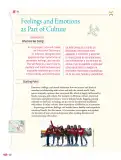
Ilustración de un boleto o tarjeta con un autobús, junto al título 'That's the Question!'.
Figura 2 image
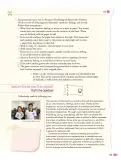
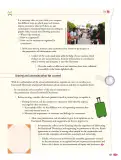
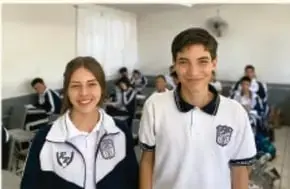
Fotografía de dos estudiantes sonrientes en un salón de clases, con la leyenda 'Perla Areli Zúñiga Aguilar, ZACATECAS'.
Figura 3 image

Preguntas que la gente también hace

¿Cómo puedo identificar mis emociones y las de los demás?
Consulta la solución completa arriba o explora el libro entero para temas relacionados.
¿Por qué es importante regular las emociones en la convivencia?
Consulta la solución completa arriba o explora el libro entero para temas relacionados.
¿Qué actividades ayudan a desarrollar la empatía en el aula?
Consulta la solución completa arriba o explora el libro entero para temas relacionados.
📌 Antes de leer esto
  • • Reconocer emociones básicas (alegría, tristeza, enojo, miedo, sorpresa)
  • • Participar en dinámicas grupales
  • • Leer y comprender textos en inglés
Siguiente tema sugerido
Estrategias para la regulación emocional y resolución de conflictos
📝 Transcripción de la página (texto seleccionable) 2626 caracteres
  1. In community, carry out the dynamic Identifying the Emotions of Others,which consists of deducing your classmates'emotions, feelings, and moods.Follow these instructions:

a) Write down an emotion, feeling, or mood on a sheet of paper. You should ensure that your classmates cannot see the contents of the sheet. When you are finished, fold the paper in half.

b) Form a circle and pass the paper three places to the right. This means that each student passes their paper to the person on their right and receives a paper from the person on their left.

c)With the help of a classmate, tape the paper to your back.

d) Walk around the room.

e)Each time you meet another student, silently read the emotion, feeling,or mood described on their back.

f) Stand in front of the other students and use mime to represent for them the emotion, feeling, or mood that is written on their backs.

g)) If the other student guesses the emotion correctly, they sit down.

h) The game continues until everyone has guessed what is written on their back and has returned to their original place.

  1. Reflect on the emotions, feelings, and moods you identified in this activity. Discuss the importance of emotions and human relationships in daily life, as well as how they influence coexistence.

INQUIRY DESIGNAND DEVELOPMENT That's the Question!

1. Collectively, read the following text:

The way we communicate our needs is through the expression of our own emotions, feelings, and moods. Thanks to this expression, we can recognize them in ourselves and others.From birth, in the family, and with close people, we live constant emotional experiences. Through meaningful activities (such as feeding, caring, and playing), children learn to identify the emotions of others; for example, when a mother or father expresses joy, anger, or sadness. As we grow up, we express our emotions more intensely in other areas. For example, when we watch a sport, and our favorite player makes a master move or wins the game, the audience expresses their joy so spontaneously that it is spread to everyone else.

Emotions are present in decision-making and manifest themselves in reactions to a situation and in coexistence with others. The lack of emotional regulation or difficulty managing intense emotional states can generate conflicts or problems in emotional and social life. For this reason, it is important to learn how to manage and articulate emotions properly.

8

220

![](page=0,bbox=[637, 837, 829, 960])

![](page=0,bbox=[113, 1004, 403, 1193])

Perla Areli ZuRiga Aguilar, ZACaTECAS

![](page=0,bbox=[53, 1236, 414, 1518])

123

Ad

Otros libros recomendados

Ver todos →
Ad

Usamos cookies propias y de terceros para personalizar contenido, mostrar publicidad y analizar el tráfico. Las cookies necesarias siempre están activas.