















Saltar al contenido
MisLibrosTexto
Ad

Schedule of Activities by Stages, Planning y Present Continuous

📄 teoria ingles 🎓 otro · 1° TELESECUNDARIA México 🇲🇽 MX 🗣 Español
Página 178
178 de 187
Página 178 de Uérakua anapu uantakua. Projects and Readings.  Libro de Educación Telesecundaria Grado 1°  Ciclo Escolar 2025 - 2026
Anterior Página 178 / 187 Siguiente

Respuesta rápida

Cronograma: elegir manifestación, recopilar información, elaborar el álbum y presentarlo. Planning: compartir, repartir países y buscar fuentes confiables en inglés. Present continuous: am/is/are + verbo -ing.

📚 theory ingles ⭐⭐ Dificultad 2/5 ⏱ 8 min lectura

Solución — Página 178

Uérakua anapu uantakua. Projects and Readings. Libro de Educación Telesecundaria Grado 1° Ciclo Escolar 2025 - 2026

2
Ejercicio 2

In communities, agree on a similar activities schedule specifying the necessary moments to compile the album.

  1. Se reúne el equipo y se revisa el cronograma de cuatro etapas de la página.
  2. Se acuerdan fechas o momentos para cada etapa: selección de la manifestación, búsqueda de información, elaboración del álbum y presentación.
  3. Se registra el acuerdo en el cuaderno con una tabla de cuatro columnas.

Respuesta orientativa: El equipo elabora un cronograma propio con cuatro momentos: (1) elegir la manifestación cultural o artística, (2) recopilar y organizar la información en una tabla, (3) elaborar el álbum en conjunto y (4) presentarlo a la comunidad escolar.

Planning

To develop the project regarding cultural and artistic manifestations from English-speaking countries, follow these steps:

a

In community, share the information you found on the countries and their artistic and cultural manifestations, which you put together in the table shown in "Approach."

Respuesta orientativa: Cada integrante comparte los datos que investigó sobre los países angloparlantes y sus manifestaciones artísticas y culturales, y entre todos completan la tabla de la sección "Approach".

b

In communities, decide which country each one will work on and which cultural or artistic manifestation to research in depth.

Respuesta orientativa: El equipo reparte responsabilidades: cada estudiante elige un país y una manifestación (música, danza, pintura, literatura, gastronomía, etc.) para investigar a profundidad y evitar duplicar temas.

c

Organize and look up reliable sources, either physical or digital, for data in English.

Respuesta orientativa: Se buscan fuentes confiables en inglés, como enciclopedias, sitios oficiales de museos, bibliotecas digitales o libros, y se registran las referencias para citarlas en el álbum.

Grammar: Present Continuous

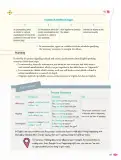
El presente continuo se forma con el verbo to be (am/is/are) más el verbo principal terminado en -ing. Se usa para describir lo que está ocurriendo ahora o en el momento de hablar, y también para acciones que están en proceso y terminarán después.

Forma Estructura Ejemplos Uso
Affirmative subject + am/is/are + verb ending in -ing I am working on the project now. / She is writing an essay. / They are talking about the plan. Describe lo que ocurre ahora o al momento de hablar.
Negative subject + am/is/are + not + verb ending in -ing I am not working on the project. / She is not writing an essay. / They are not talking about the plan. Igual, en forma negativa.
Interrogative am/is/are + subject + verb ending in -ing + ? Am I working on the project? / Is she writing an essay? / Are they talking about the plan? Igual, en forma de pregunta.

Respuesta orientativa (ejemplo de uso): Para el proyecto del álbum, aunque la presentación aún no ocurre, se puede decir We are preparing our album presentation para expresar lo que se está haciendo para estar listos.

Respuesta

Cronograma de 4 etapas, pasos a, b, c de planificación y tabla del presente continuo (afirmativo, negativo, interrogativo).

Contenido de la página

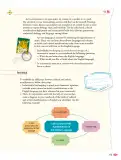
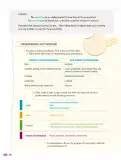
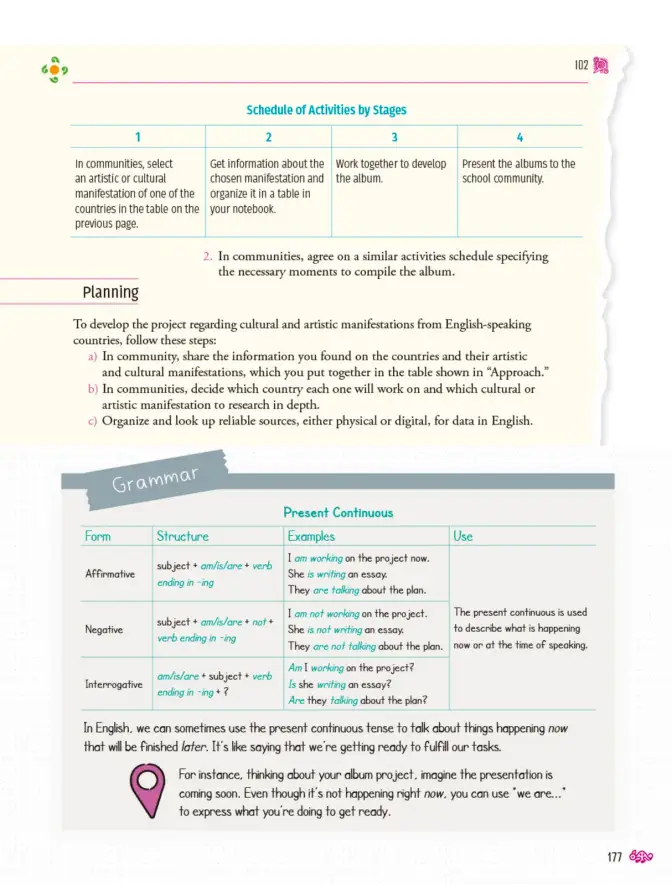
Schedule of Activities by Stages

1 2 3 4
In communities, select an artistic or cultural manifestation of one of the countries in the table on the previous page. Get information about the chosen manifestation and organize it in a table in your notebook. Work together to develop the album. Present the albums to the school community.
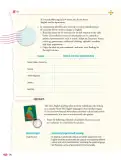
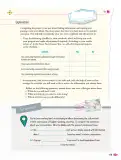
  1. In communities, agree on a similar activities schedule specifying the necessary moments to compile the album.

Planning

To develop the project regarding cultural and artistic manifestations from English-speaking countries, follow these steps:

a) In community, share the information you found on the countries and their artistic and cultural manifestations, which you put together in the table shown in "Approach."

b) In communities, decide which country each one will work on and which cultural or artistic manifestation to research in depth.

c) Organize and look up reliable sources, either physical or digital, for data in English.

Grammar

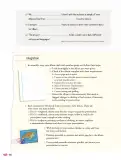
Present Continuous

Form Structure Examples Use
Affirmative subject + am/is/are + verb ending in -ing I am working on the project now. She is writing an essay. They are talking about the plan. The present continuous is used to describe what is happening now or at the time of speaking.
Negative subject + am/is/are + not + verb ending in -ing I am not working on the project. She is not writing an essay. They are not talking about the plan. The present continuous is used to describe what is happening now or at the time of speaking.
Interrogative am/is/are + subject + verb ending in -ing + ? Am I working on the project? Is she writing an essay? Are they talking about the plan? The present continuous is used to describe what is happening now or at the time of speaking.

In English, we can sometimes use the present continuous tense to talk about things happening now that will be finished later. It's like saying that we're getting ready to fulfill our tasks.

For instance, thinking about your album project, imagine the presentation is coming soon. Even though it's not happening right now, you can use "we are..." to express what you're doing to get ready.

Ejemplos resueltos

Forma oraciones en presente continuo: (a) I / work / on the project / now; (b) she / not write / an essay; (c) they / talk / about the plan / ?

a) I am working on the project now. b) She is not writing an essay. c) Are they talking about the plan?

Tablas (2)

1 2 3 4
In communities, select an artistic or cultural manifestation of one of the countries in the table on the previous page. Get information about the chosen manifestation and organize it in a table in your notebook. Work together to develop the album. Present the albums to the school community.
Form Structure Examples Use
Affirmative subject + am/is/are + verb ending in -ing I am working on the project now. She is writing an essay. They are talking about the plan. The present continuous is used to describe what is happening now or at the time of speaking.
Negative subject + am/is/are + not + verb ending in -ing I am not working on the project. She is not writing an essay. They are not talking about the plan. The present continuous is used to describe what is happening now or at the time of speaking.
Interrogative am/is/are + subject + verb ending in -ing + ? Am I working on the project? Is she writing an essay? Are they talking about the plan? The present continuous is used to describe what is happening now or at the time of speaking.

Diagrama

flowchart LR
A[1. Seleccionar manifestación] --> B[2. Obtener información]
B --> C[3. Elaborar el álbum]
C --> D[4. Presentar a la comunidad]

Fórmulas y ecuaciones

\text{Affirmative: subject} + am/is/are + \text{verb-}ing

\text{Negative: subject} + am/is/are + not + \text{verb-}ing

\text{Interrogative: am/is/are} + \text{subject} + \text{verb-}ing + ?

Glosario (6)

Schedule
Cronograma u horario de actividades.
Stage
Etapa o fase de un proceso.
Album
Álbum; recopilación organizada de información o imágenes.
Reliable sources
Fuentes confiables de información.
Present continuous
Tiempo verbal que expresa acciones en desarrollo.
Manifestation
Manifestación cultural o artística.

Preguntas para practicar

Why can we use the present continuous to talk about the album presentation if it is not happening right now?

Because the present continuous can describe actions in progress that will be finished later; preparing the album is an ongoing process that leads to the future presentation.

Temas y conceptos clave

Cronograma de actividades por etapasPlanificación de un proyecto culturalPresente continuo en inglésSchedule of activitiesPlanningPresent continuousAffirmative, negative, interrogativeVerb ending in -ing
¿Te fue útil esta página?

Figuras de la página (1)

Ícono de un marcador de mapa morado con un círculo blanco, usado como viñeta decorativa.
Figura 1 image

Preguntas que la gente también hace

¿Cómo se forma el presente continuo en inglés?
Consulta la solución completa arriba o explora el libro entero para temas relacionados.
¿Cuándo se usa el present continuous?
Consulta la solución completa arriba o explora el libro entero para temas relacionados.
¿Cómo se hace una pregunta en presente continuo?
Consulta la solución completa arriba o explora el libro entero para temas relacionados.
📌 Antes de leer esto
  • • Verbo to be en presente (am, is, are)
  • • Vocabulario básico de acciones y proyectos
  • • Uso del gerundio (-ing)
Siguiente tema sugerido
Uso del presente continuo para planes futuros y actividades en progreso
📝 Transcripción de la página (texto seleccionable) 2342 caracteres
  1. In communities, agree on a similar activities schedule specifying the necessary moments to compile the album.

Planning

To develop the project regarding cultural and artistic manifestations from English-speaking countries, follow these steps:

a) In community, share the information you found on the countries and their artistic and cultural manifestations, which you put together in the table shown in "Approach."b) In communities, decide which country each one will work on and which cultural or artistic manifestation to research in depth.

c) Organize and look up reliable sources, either physical or digital, for data in English.

Grammar

In English, we can sometimes use the present continuous tense to talk about things happening now that will be finished later. It's like saying that we're getting ready to fulfill our tasks.

For instance, thinking about your album project, imagine the presentation is coming soon. Even though it's not happening right now, you can use'we are."to express what you're doing to get ready.

102

Schedule of Activities by Stages

1234
In communities, select an artistic or cultural manifestation of one of the countries in the table on the previous page.Get information about the chosen manifestation and organize it in a table in your notebook.Work together to develop the album.Present the albums to the school community.

Present Continuous

FormStructureExamplesUse
Affirmativesubject + am/is/are + verb ending in -ingI am wonking on the project now. She is writingan essay. They are talking about the plan.The present continuous is used to describe what is happening now or at the time of speaking.
Negativesubject + am/is/are + not + venb ending in -ingI am not wonking on the project. She is nof wniting an essay. They are not talking about the plan.
Interrogativeam/is/ane + subject + venb ending in -ing +?Am I working on the project? Is she wniting an essay? Are they talking about the plan?

![](page=0,bbox=[231, 1375, 298, 1476])

17785

Ad

Otros libros recomendados

Ver todos →
Ad

Usamos cookies propias y de terceros para personalizar contenido, mostrar publicidad y analizar el tráfico. Las cookies necesarias siempre están activas.