

















Adverbs of Frequency: form, structure and use
Respuesta rápida
Los adverbios de frecuencia indican periodicidad. Con to be van después del verbo; con otros verbos, antes del verbo principal y después de don't/doesn't.
Solución — Página 34
Uérakua anapu uantakua. Projects and Readings. Libro de Educación Telesecundaria Grado 1° Ciclo Escolar 2025 - 2026
Contenido de la página
Esta página es teoría gramatical (no trae ejercicios). Explica los adverbs of frequency (adverbios de frecuencia): palabras que indican con qué frecuencia hacemos algo o sucede algo.
¿Qué son?
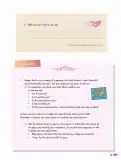
When we talk, sometimes we need to say how frequently we do things, so we use a group of words called adverbs of frequency.
Cuando hablamos, a veces necesitamos decir con qué frecuencia hacemos las cosas, por eso usamos un grupo de palabras llamadas adverbios de frecuencia.
Ejemplos de la página
- People usually like to have free time because they can do things they love.
- I always pay attention in class.
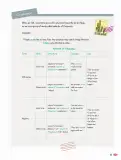
Tabla: Adverbs of Frequency
| Form | Verb | Structure | Example | Use |
|---|---|---|---|---|
| Affirmative | Verb to be | subject or pronoun + am/are/is + adverb of frequency + complement | She is always ready to help people. | They are used to say how often we do things or how often things happen. |
| Affirmative | Other verbs | subject or pronoun + adverb of frequency + verb + object | My brother often calls me names for fun. | They are used to say how often we do things or how often things happen. |
| Negative | Verb to be | subject or pronoun + am/are/is + not + adverb of frequency + complement | I am not always in the mood for jokes. | They are used to say how often we don't do things or how often things don't happen. |
| Negative | Other verbs | subject or pronoun + do/does + not + adverb of frequency + verb + object | They don't usually agree with me. | They are used to say how often we don't do things or how often things don't happen. |
Regla clave de posición
- Con el verbo to be (am/are/is), el adverbio va después del verbo: She is always ready.
- Con otros verbos, el adverbio va antes del verbo principal: My brother often calls me.
- En negativas con otros verbos, el adverbio va después de don't/doesn't y antes del verbo: They don't usually agree.
Adverbios de frecuencia más comunes (de mayor a menor frecuencia)
always (100 %) → usually (90 %) → often (70 %) → sometimes (50 %) → occasionally (30 %) → seldom/rarely (10 %) → never (0 %).
Respuesta orientativa: los adverbios de frecuencia se colocan antes del verbo principal y después del verbo to be; sirven para expresar la periodicidad de una acción.
Contenido de la página
Grammar
When we talk, sometimes we need to say how frequently we do things, so we use a group of words called adverbs of frequency.
Examples:
- People usually like to have free time because they can do things they love.
- I always pay attention in class.
Adverbs of Frequency
| Form | Verb | Structure | Example | Use |
|---|---|---|---|---|
| Affirmative | Verb to be | subject or pronoun + am/are/is + adverb of frequency + complement | She is always ready to help people. | They are used to say how often we do things or how often things happen. |
| Affirmative | Other verbs | subject or pronoun + adverb of frequency + verb + object | My brother often calls me names for fun. | They are used to say how often we do things or how often things happen. |
| Negative | Verb to be | subject or pronoun + am/are/is + not + adverb of frequency + complement | I am not always in the mood for jokes. | They are used to say how often we don't do things or how often things don't happen. |
| Negative | Other verbs | subject or pronoun + do/does + not + adverb of frequency + verb + object | They don't usually agree with me. | They are used to say how often we don't do things or how often things don't happen. |
Ejemplos resueltos
She is always ready to help people.
Verbo to be (is) + adverbio de frecuencia (always) + complemento. El adverbio va después del verbo to be.
My brother often calls me names for fun.
Sujeto (My brother) + adverbio (often) + verbo (calls) + objeto (me names). El adverbio va antes del verbo principal.
I am not always in the mood for jokes.
Sujeto (I) + am + not + adverbio (always) + complemento. En negativa con to be, el adverbio va después de not.
They don't usually agree with me.
Sujeto (They) + don't + adverbio (usually) + verbo (agree) + complemento. En negativa con otros verbos, el adverbio va después de don't.
Tabla
| Form | Verb | Structure | Example | Use |
|---|---|---|---|---|
| Affirmative | Verb to be | subject or pronoun + am/are/is + adverb of frequency + complement | She is always ready to help people. | They are used to say how often we do things or how often things happen. |
| Affirmative | Other verbs | subject or pronoun + adverb of frequency + verb + object | My brother often calls me names for fun. | They are used to say how often we do things or how often things happen. |
| Negative | Verb to be | subject or pronoun + am/are/is + not + adverb of frequency + complement | I am not always in the mood for jokes. | They are used to say how often we don't do things or how often things don't happen. |
| Negative | Other verbs | subject or pronoun + do/does + not + adverb of frequency + verb + object | They don't usually agree with me. | They are used to say how often we don't do things or how often things don't happen. |
Glosario (6)
- adverb of frequency
- Adverbio que indica con qué frecuencia ocurre una acción (always, usually, often, sometimes, never).
- affirmative
- Forma oracional afirmativa, sin negación.
- negative
- Forma oracional negativa, con not o don't/doesn't.
- complement
- Parte de la oración que completa el significado del verbo.
- subject
- Sujeto de la oración, quien realiza la acción.
- pronoun
- Pronombre que sustituye al sujeto (I, you, he, she, it, we, they).
Preguntas para practicar
¿Por qué es importante saber colocar los adverbios de frecuencia?
Porque su posición cambia según el verbo: con to be van después y con otros verbos van antes del verbo principal. Colocarlos mal produce oraciones incorrectas en inglés.
¿Qué adverbio usarías para decir que algo pasa el 100 % de las veces?
Se usa *always*, que expresa frecuencia total. Su opuesto es *never*, que indica frecuencia cero.
Temas y conceptos clave
Figuras de la página (2)


Preguntas que la gente también hace
¿Dónde se coloca el adverbio de frecuencia con el verbo to be?
¿Cuál es la diferencia entre always, usually y often?
¿Cómo se forma una oración negativa con adverbios de frecuencia?
- • Conjugación del verbo to be (am/are/is)
- • Presente simple con otros verbos
- • Uso de auxiliares do/does
📝 Transcripción de la página (texto seleccionable) 1340 caracteres
When we talk, sometimes we need to say how frequently we do things,so we use a group of words called adverbs of frequency.
Examples:
People usuallylike to have free time because they can do things they love.I always pay attention in class.
Grammar

Adverbs of Frequency
| Form | Verb | Structure | Example | Use |
| Affirmative | Verb to be | subject or pronoun + am/arelis + adverb of frequency + complement | She is always ready to help people. | They are used to say how often we do things on how often things happen. |
| Other venbs | subject or pronoun + adverb of frequency + verb + object | My brother often calls me names for fun. | ||
| Negative | Venb to be | subject or pronoun + am/arelis + not + advenb of frequency + complement | I am not always in the mood for jokes. | They ane used to say how often we don't do things on how often things don't happen. |
| Other verbs | subject or pronoun + do/does + not + adverb of fnequency + verb + object | They don't usually agree with me. |

33
乐
Otros libros recomendados

Historia del pueblo mexicano. Multigrado Libro de Educación Telesecundaria Grado 1° Ciclo Escolar 2025 - 2026
SEP/CONALITEG
331 págs.
Colección Ximhai. Lenguajes. Libro de Educación Telesecundaria Grado 1° Ciclo Escolar 2025 - 2026
SEP/CONALITEG
323 págs.

Colección Ximhai. Ética, naturaleza y sociedades. Libro de Educación Telesecundaria Grado 1° Ciclo Escolar 2025 - 2026
SEP/CONALITEG
355 págs.

Uérakua anapu uantakua. Projects and Readings. Libro de Educación Telesecundaria Grado 3° Ciclo Escolar 2025 - 2026
SEP/CONALITEG
187 págs.

Uérakua anapu uantakua. Projects and Readings. Libro de Educación Telesecundaria Grado 2° Ciclo Escolar 2025 - 2026
SEP/CONALITEG
171 págs.

Colección Ximhai. De lo humano y lo comunitario. Libro de Educación Telesecundaria Grado 1° Ciclo Escolar 2025 - 2026
SEP/CONALITEG
259 págs.

Colección Ximhai. Nuestro libro de Proyectos. Tomo II. Libro de Educación Telesecundaria Grado 1° Ciclo Escolar 2025 - 2026
SEP/CONALITEG
267 págs.
Un libro sin recetas para la maestra y el maestro. Fase 6. Libro de Educación Telesecundaria Grado 1°, 2°, 3° Ciclo Escolar 2025 - 2026
SEP/CONALITEG
203 págs.