















Página — Uerakua Anapu Uantakua Projects And Readings 1 (pág. 68)
Solución no disponible aún
Esta página está en proceso de revisión.
Pídela y la resolveremos antes. Sin registro.
📝 Transcripción de la página (texto seleccionable) 1908 caracteres
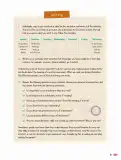
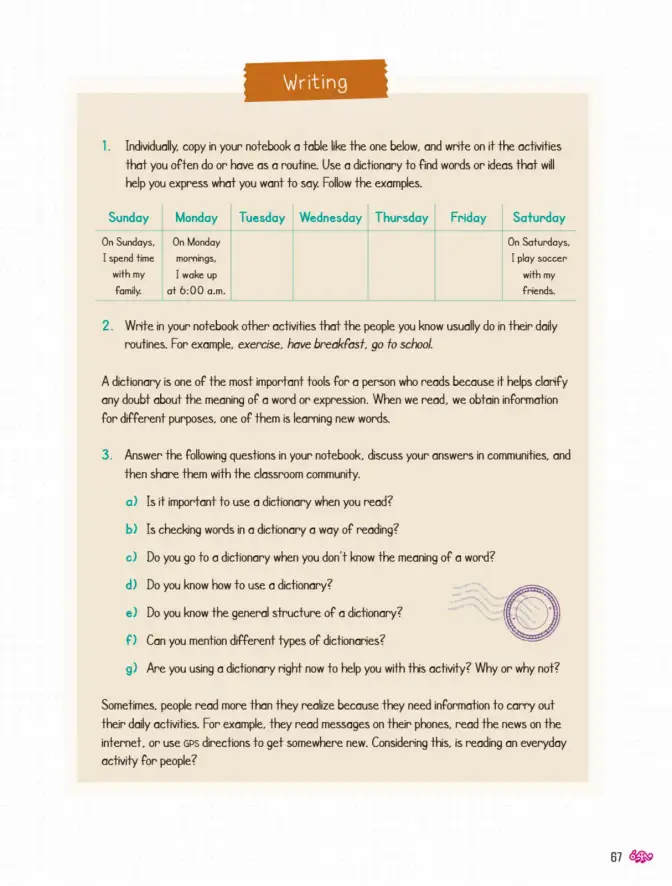
Writing
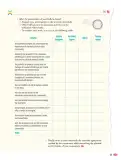
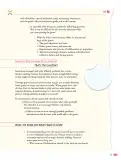
1.Individually, copy in your notebook a table like the one below, and write on it the activities that you often do or have as a routine. Use a dictionary to find words or ideas that will help you express what you want to say. Follow the examples.
2.Write in your notebook other activities that the people you know usually do in their daily routines. For example, exercise, have breakfast, go to school.
A dictionary is one of the most important tools for a person who reads because it helps clanify any doubt about the meaning of a word or expression. When we read, we obtain information for different purposes, one of them is learning new words.
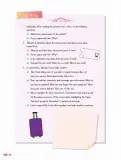
- Answer the following questions in your notebook, discuss your answers in communities, and then share them with the classroom community.
a) Is it important to use a dictionary when you read?
b) Is checking words in a dictionary a way of reading?
c) Do you go to a dictionary when you don't know the meaning of a word?
d) Do you know how to use a dictionary?
e) Do you know the general structure of a dictionary?
f) Can you mention different types of dictionaries?
g) Are you using a dictionary right now to help you with this activity? Why or why not?
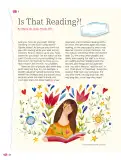
Sometimes, people read more than they realize because they need information to carry out their daily activities. For example, they read messages on their phones, read the news on the internet, or use Gps directions to get somewhere new. Considering this, is reading an everyday activity for people?
| Sunday | Monday | Friday | Saturday | |||
| On Sundays, I spend time with my family. | On Monday mornings, I wake up at 6:00 a.m. | On Saturdays, Iplay soccer with my friends. |

6785
Otros libros recomendados

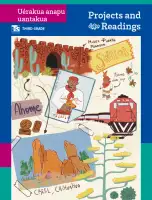
Uérakua anapu uantakua. Projects and Readings. Libro de Educación Telesecundaria Grado 3° Ciclo Escolar 2025 - 2026
SEP/CONALITEG
187 págs.

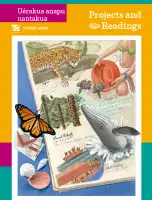
Uérakua anapu uantakua. Projects and Readings. Libro de Educación Telesecundaria Grado 2° Ciclo Escolar 2025 - 2026
SEP/CONALITEG
171 págs.

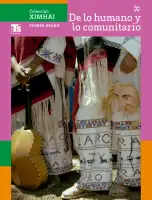
Colección Ximhai. De lo humano y lo comunitario. Libro de Educación Telesecundaria Grado 1° Ciclo Escolar 2025 - 2026
SEP/CONALITEG
259 págs.

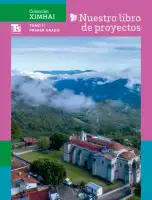
Colección Ximhai. Nuestro libro de Proyectos. Tomo II. Libro de Educación Telesecundaria Grado 1° Ciclo Escolar 2025 - 2026
SEP/CONALITEG
267 págs.

Un libro sin recetas para la maestra y el maestro. Fase 6. Libro de Educación Telesecundaria Grado 1°, 2°, 3° Ciclo Escolar 2025 - 2026
SEP/CONALITEG
203 págs.

Colección Ximhai. Saberes y pensamiento científico. Libro de Educación Telesecundaria Grado 1° Ciclo Escolar 2025 - 2026
SEP/CONALITEG
339 págs.

Colección Ximhai. Nuestro libro de Proyectos. Tomo I. Libro de Educación Telesecundaria Grado 1° Ciclo Escolar 2025 - 2026
SEP/CONALITEG
307 págs.

Colección Ximhai. Nuestro libro de Proyectos. Tomo III. Libro de Educación Telesecundaria Grado 1° Ciclo Escolar 2025 - 2026
SEP/CONALITEG
275 págs.