















Saltar al contenido
MisLibrosTexto
Ad

Retrieval and Approach: Types of Writing and Creative Language

📄 ejercicios ingles 🎓 otro · 1° TELESECUNDARIA México 🇲🇽 MX 🗣 Español
Página 82
82 de 187
Página 82 de Uérakua anapu uantakua. Projects and Readings.  Libro de Educación Telesecundaria Grado 1°  Ciclo Escolar 2025 - 2026
Anterior Página 82 / 187 Siguiente

Respuesta rápida

  1. Se diferencian por forma, extensión y finalidad. 2) Tabla completada. 3) Reflexión sobre decisiones. 4) La poesía usa imágenes y ritmo. 5) Compartir en asamblea. Approach: lenguaje coloquial e identidad.
📚 exercise ingles ⭐⭐ Dificultad 2/5 ⏱ 8 min lectura

Solución — Página 82

Uérakua anapu uantakua. Projects and Readings. Libro de Educación Telesecundaria Grado 1° Ciclo Escolar 2025 - 2026

1
Ejercicio 1

In communities, discuss what makes the following types of writing different from each other: songs, stories, poems, plays, and novels.

  1. Una canción (song) se escribe para ser cantada: combina letra y música, con versos repetidos y estribillo.
  2. Un cuento (story) es una narración breve en prosa, con pocos personajes y una sola trama.
  3. Un poema (poem) usa verso, ritmo y figuras literarias; no necesita narrar una historia.
  4. Una obra de teatro (play) está escrita para ser representada por actores; se basa en diálogos y acotaciones.
  5. Una novela (novel) es una narración extensa en prosa, con varios personajes, capítulos y tramas secundarias.
Respuesta

Se diferencian por su forma (verso o prosa), su extensión, su finalidad (cantar, narrar, representar) y su manera de comunicar emociones.


2
Ejercicio 2

Create a diagram where you explain and offer examples of each type of writing. You may use the following table as a guide.

Writing Format Meaning Example
Songs A short composition for voice with instrumental accompaniment, usually expressing emotions. "Yesterday" by The Beatles
Stories A short narrative in prose with few characters and a single plot. "The Tell-Tale Heart" by Edgar Allan Poe
Poems A text written in verse that uses rhythm, rhyme and figurative language to express feelings or images. "The Road Not Taken" by Robert Frost
Plays A text written to be performed on stage by actors, based on dialogue and stage directions. Romeo and Juliet by William Shakespeare
Novels A long narrative in prose with multiple characters, chapters and subplots. The Hobbit by J. R. R. Tolkien
Respuesta

Tabla completada con significado y ejemplo de cada formato de escritura.

3
Ejercicio 3

Individually, choose one of the examples from the table and answer: What was the impact the author wanted to have on the readers or listeners?

  1. Elijo "The Road Not Taken" de Robert Frost.
  2. Frost describe una decisión en un bosque como metáfora de las elecciones de la vida.
  3. Busca que el lector reflexione sobre sus propias decisiones y acepte sus consecuencias.
Respuesta

El autor quiso provocar reflexión y cierta nostalgia, mostrando que toda elección deja un camino sin recorrer.

Ad
4
Ejercicio 4

In pairs, discuss how poetry uses words to communicate ideas, feelings, and images.

  1. La poesía selecciona palabras por su sonido y no solo por su significado.
  2. Usa figuras como la metáfora, la comparación y la personificación para crear imágenes.
  3. El ritmo y la rima transmiten emociones antes de que el lector entienda el mensaje.

Respuesta orientativa: La poesía comunica mediante imágenes sensoriales, ritmo y figuras literarias, logrando que una idea abstracta se sienta como una experiencia concreta.

5
Ejercicio 5

In assembly, share your answer and comments, then listen to your classmates' answers.

  1. Presento mi ejemplo y el impacto que el autor buscó.
  2. Escucho las respuestas de mis compañeros y comparo con la mía.
  3. Anoto coincidencias y diferencias en el cuaderno.

Respuesta orientativa: Compartir en asamblea permite contrastar interpretaciones y enriquecer la propia lectura con la de los demás.

Approach

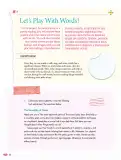
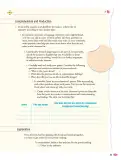
Sometimes, people use language in clever ways to communicate. For example, in Mexico, some people might say chido instead of genial and chamba instead of trabajo. In English, someone might say ain't instead of isn't and let's bounce instead of let's leave.

Respuesta orientativa: El lenguaje coloquial y creativo varía según la región y el grupo social; estas expresiones muestran identidad y pertenencia, aunque no siempre son apropiadas en contextos formales.

Contenido de la página

Retrieval

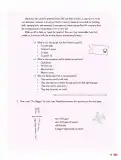
  1. In communities, discuss what makes the following types of writing different from each other: songs, stories, poems, plays, and novels.

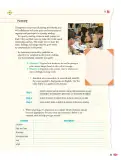
  2. Create a diagram where you explain and offer examples of each type of writing. You may use the following table as a guide:

Writing Format Meaning Example
Songs A short composition for voice with instrumental accompaniment, usually expressing emotions. "Yesterday" by The Beatles
Stories
Poems
Plays
Novels
  1. Individually, without forgetting you are part of a community, choose one of the examples from the table and answer the following question in your notebook: What was the impact the author wanted to have on the readers or listeners?

  2. In pairs, discuss how poetry uses words to communicate ideas, feelings, and images.

  3. In assembly, share your answer to the question and your comments from the discussion in pairs. Then, listen to your classmates' answers.

Approach

Sometimes, people use language in clever ways to communicate; we read and hear examples of this every day. Even though you use these fun ways to talk, you might only sometimes know a little about them. People naturally use language in creative ways without constantly thinking about it. For example, in Mexico, some people might say chido instead of genial and chamba instead of trabajo. In English, someone might say ain't instead of isn't and let's bounce instead of let's leave.

Ejemplos resueltos

Completa la tabla con significado y ejemplo de cada tipo de escritura.

Writing Format Meaning Example
Songs A short composition for voice with instrumental accompaniment, usually expressing emotions. "Yesterday" by The Beatles
Stories A short narrative in prose with few characters and a single plot. "The Tell-Tale Heart" by Edgar Allan Poe
Poems A text written in verse that uses rhythm, rhyme and figurative language. "The Road Not Taken" by Robert Frost
Plays A text written to be performed on stage by actors. Romeo and Juliet by William Shakespeare
Novels A long narrative in prose with multiple characters and chapters. The Hobbit by J. R. R. Tolkien

Tabla

Writing Format Meaning Example
Songs A short composition for voice with instrumental accompaniment, usually expressing emotions. "Yesterday" by The Beatles
Stories A short narrative in prose with few characters and a single plot. "The Tell-Tale Heart" by Edgar Allan Poe
Poems A text written in verse that uses rhythm, rhyme and figurative language. "The Road Not Taken" by Robert Frost
Plays A text written to be performed on stage by actors. Romeo and Juliet by William Shakespeare
Novels A long narrative in prose with multiple characters and chapters. The Hobbit by J. R. R. Tolkien

Diagrama

mindmap
  root((Types of Writing))
    Songs
      Voice + music
      Express emotions
      "Yesterday"
    Stories
      Short prose
      Few characters
      "The Tell-Tale Heart"
    Poems
      Verse and rhythm
      Figurative language
      "The Road Not Taken"
    Plays
      Dialogue
      For the stage
      Romeo and Juliet
    Novels
      Long prose
      Many characters
      The Hobbit

Glosario (9)

Song
Composición breve para voz con acompañamiento instrumental, generalmente expresa emociones.
Story
Narración breve en prosa con pocos personajes y una sola trama.
Poem
Texto en verso que usa ritmo, rima e imágenes para expresar sentimientos.
Play
Texto escrito para ser representado por actores, basado en diálogos.
Novel
Narración extensa en prosa con varios personajes y capítulos.
Chido
Mexicanismo coloquial que significa 'genial' o 'bueno'.
Chamba
Mexicanismo coloquial que significa 'trabajo'.
Ain't
Contracción coloquial inglesa de 'am not', 'is not' o 'are not'.
Let's bounce
Expresión coloquial inglesa que significa 'vámonos'.

Preguntas para practicar

What makes songs, stories, poems, plays and novels different from each other?

Se diferencian por su forma (verso o prosa), su extensión, su finalidad (cantar, narrar, representar) y su manera de comunicar emociones.
How does poetry use words to communicate ideas, feelings and images?

La poesía selecciona palabras por su sonido, usa ritmo, rima y figuras literarias para crear imágenes sensoriales que transmiten emociones.

Why do people use colloquial expressions like chido, chamba, ain't or let's bounce?

Porque el lenguaje coloquial refleja identidad, pertenencia a un grupo y creatividad; se usa en contextos informales y varía según la región.

Temas y conceptos clave

Tipos de escrituraLenguaje creativoLenguaje coloquialSongStoryPoemPlayNovelColloquial languageCreative language
¿Te fue útil esta página?

Figuras de la página (2)

Icono de un marcador de mapa morado con un círculo blanco en el centro.
Figura 1 image
Ilustración de líneas onduladas rojas que representan agua o viento.
Figura 2 image

Preguntas que la gente también hace

¿Cuál es la diferencia entre un cuento y una novela?
Consulta la solución completa arriba o explora el libro entero para temas relacionados.
¿Qué características tiene un poema frente a una canción?
Consulta la solución completa arriba o explora el libro entero para temas relacionados.
¿Qué es el lenguaje coloquial y por qué se usa?
Consulta la solución completa arriba o explora el libro entero para temas relacionados.
📌 Antes de leer esto
  • • Reconocer elementos básicos de un texto narrativo
  • • Identificar verso y prosa
  • • Vocabulario básico en inglés sobre textos y emociones
Siguiente tema sugerido
Creative and colloquial language: idioms and slang in English and Spanish
📝 Transcripción de la página (texto seleccionable) 1756 caracteres

Retrieval

  1. In communities, discuss what makes the following types of writing different from each other: songs, stories, poems, plays,and novels.

  2. Create a diagram where you explain and offer examples of each type of writing. You may use the following table as a guide:

  3. Individually, without forgetting you are part of a community, choose one of the examples from the table and answer the following question in your notebook: What was the impact the author wanted to have on the readers or listeners?

  4. In pairs, discuss how poetry uses words to communicate ideas, feelings, and images.

Approach

  1. In assembly, share your answer to the question and your comments from the discussion in pairs. Then, listen to your classmates'answers.

Sometimes, people use language in clever ways to communicate; we read and hear examples of this every day. Even though you use these fun ways to talk, you might only sometimes know a little about them. People naturally use language in creative ways without constantly thinking about it. For example, in Mexico, some people might say chido instead of genial and chamba instead of trabajo. In English, someone might say ain't instead of isn't and let's bounce instead of let's leave.

18

![](page=0,bbox=[930, 200, 1009, 328])

Writing FormatMeaningExample
SongsA short composition for voice with instrumental accompaniment, usually expressing emotions."Yesterday" by The Beatles
Stories
Poems
Plays
Novels

![](page=0,bbox=[88, 1002, 279, 1061])

81

Ad

Otros libros recomendados

Ver todos →
Ad

Usamos cookies propias y de terceros para personalizar contenido, mostrar publicidad y analizar el tráfico. Las cookies necesarias siempre están activas.