















We Are Words, We Are Valuable – Identity Handbook
Respuesta rápida
Proyecto: crear un Identity Handbook (álbum o folleto) sobre la identidad individual o colectiva, con menú e ilustraciones. Lectura: tlacoyos, francés, maya.
Solución — Página 97
Uérakua anapu uantakua. Projects and Readings. Libro de Educación Telesecundaria Grado 1° Ciclo Escolar 2025 - 2026
Paso 1
Enunciado (bilingüe): In assembly and with the help of your teacher, read the following passage. / En asamblea y con ayuda de tu maestro, lean el siguiente texto.
El texto es una lectura narrativa en primera persona. No hay cálculos; la tarea es de comprensión lectora y de preparación del proyecto.
Paso 2 – Comprensión del texto
- El narrador cuenta que sus abuelos venden tlacoyos en el mercado dominical de Huehuetoca, Estado de México.
- Escucha a sus abuelos usar palabras en francés con clientes haitianos: Bonjour! Parlez-vous français? y Je veux un tlacoyo, s'il vous plaît.
- Reflexiona: en México conviven lenguas extranjeras y lenguas indígenas (por ejemplo, el maya, que hablan unos amigos cuya familia viene de Guatemala).
- Decide aprender la lengua de sus abuelos y elaborar un prontuario (scrapbook o brochure) con el menú del puesto para facilitar la comunicación con los clientes.
Paso 3 – Producto del proyecto
Respuesta orientativa: El proyecto pide crear un Identity Handbook (prontuario identitario) en formato de álbum de recortes o folleto. Debe mostrar la identidad individual o colectiva del estudiante e incluir, como en el texto, elementos culturales propios (comidas, lenguas, tradiciones familiares) e ilustraciones hechas por el propio alumno.
Paso 4 – Vocabulario clave del texto
- tlacoyo: antojito mexicano de masa de maíz relleno.
- scrapbook: álbum de recortes.
- brochure: folleto.
- handbook: prontuario, manual breve.
- Indigenous languages: lenguas indígenas.
Respuesta: Lectura comprendida; el proyecto consiste en elaborar un prontuario identitario bilingüe con menú e ilustraciones.
Contenido de la página
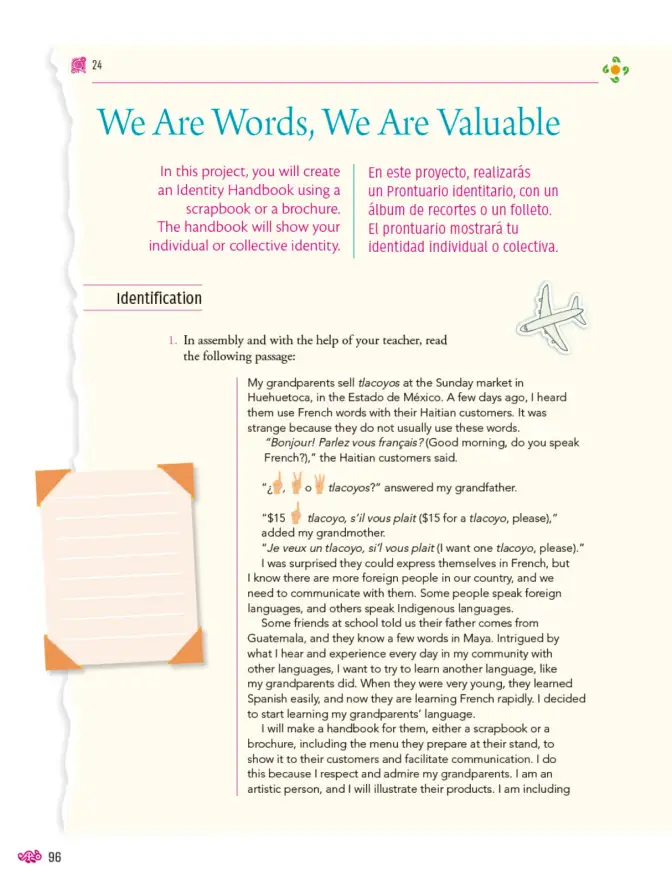
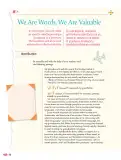
We Are Words, We Are Valuable
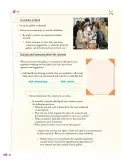
In this project, you will create an Identity Handbook using a scrapbook or a brochure. The handbook will show your individual or collective identity.
En este proyecto, realizarás un Prontuario identitario, con un álbum de recortes o un folleto. El prontuario mostrará tu identidad individual o colectiva.
Identification
- In assembly and with the help of your teacher, read the following passage:
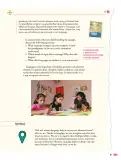
My grandparents sell tlacoyos at the Sunday market in Huehuetoca, in the Estado de México. A few days ago, I heard them use French words with their Haitian customers. It was strange because they do not usually use these words.
"Bonjour! Parlez-vous français? (Good morning, do you speak French?)," the Haitian customers said.
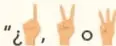
"¿[gestos], o [gestos] tlacoyos?" answered my grandfather.
"15 tlacoyo, s'il vous plaît (15 for a tlacoyo, please)," added my grandmother.
"Je veux un tlacoyo, s'il vous plaît (I want one tlacoyo, please)."
I was surprised they could express themselves in French, but I know there are more foreign people in our country, and we need to communicate with them. Some people speak foreign languages, and others speak Indigenous languages.
Some friends at school told us their father comes from Guatemala, and they know a few words in Maya. Intrigued by what I hear and experience every day in my community with other languages, I want to try to learn another language, like my grandparents did. When they were very young, they learned Spanish easily, and now they are learning French rapidly. I decided to start learning my grandparents' language.
I will make a handbook for them, either a scrapbook or a brochure, including the menu they prepare at their stand, to show it to their customers and facilitate communication. I do this because I respect and admire my grandparents. I am an artistic person, and I will illustrate their products. I am including...
Tabla
| Lengua | Tipo | Quién la habla en el texto |
|---|---|---|
| Español | Oficial / materna | Narrador y abuelos |
| Francés | Extranjera | Clientes haitianos y abuelos |
| Maya | Indígena | Familia de unos amigos (Guatemala) |
Diagrama
mindmap
  root((Identity Handbook))
    Individual
      Nombre
      Gustos
      Familia
    Colectiva
      Comunidad
      Lenguas
      Tradiciones
    Formato
      Scrapbook
      Brochure
    Contenido
      Menu
      Ilustraciones
Glosario (6)
- handbook
- Prontuario o manual breve con información organizada.
- scrapbook
- Álbum de recortes donde se pegan fotos, textos y dibujos.
- brochure
- Folleto informativo doblado.
- tlacoyo
- Antojito mexicano de masa de maíz relleno, típico del Estado de México.
- Indigenous languages
- Lenguas originarias de un territorio, como el maya o el náhuatl.
- s'il vous plaît
- Expresión francesa que significa 'por favor'.
Preguntas para practicar
Why does the narrator decide to learn their grandparents' language? / ¿Por qué el narrador decide aprender la lengua de sus abuelos?
Porque observa que sus abuelos aprendieron español y ahora aprenden francés para comunicarse con sus clientes; el narrador quiere imitar esa apertura, respetar sus raíces y facilitar la comunicación en su comunidad multilingüe.
What is an Identity Handbook? / ¿Qué es un prontuario identitario?
Es un álbum de recortes o folleto donde el estudiante reúne textos, imágenes y datos que representan su identidad individual o colectiva, incluyendo aspectos culturales como comidas, lenguas y tradiciones familiares.
Temas y conceptos clave
Figuras de la página (3)


Preguntas que la gente también hace
¿Qué es un Identity Handbook y cómo se elabora?
¿Qué lenguas se mencionan en la lectura de la página 97?
¿Por qué el narrador decide aprender la lengua de sus abuelos?
- • Vocabulario básico en inglés (family, market, language)
- • Reconocer la diferencia entre lengua materna, extranjera e indígena
- • Saber qué es un folleto o álbum de recortes
📝 Transcripción de la página (texto seleccionable) 2020 caracteres
We Are Words, We Are Valuable
In this project, you will create an Identity Handbook using a scrapbook or a brochure.The handbook will show your individual or collective identity.
En este proyecto, realizarás un Prontuario identitario, con un álbum de recortes o un folleto.El prontuario mostrará tu identidad individual o colectiva.
Identification
- In assembly and with the help of your teacher, read the following passage:
My grandparents sell tlacoyos at the Sunday market in Huehuetoca, in the Estado de México. A few days ago, I heard them use French words with their Haitian customers. It was strange because they do not usually use these words.
"Bonjour! Parlez vous frangais?(Good morning, do you speak French?),"the Haitian customers said.
tlacoyos?"answered my grandfather.
"15tlacoyo, s'il vous plait (15 for a tlacoyo, please),"added my grandmother.
"Je veux un tlacoyo, si'I vous plait (I want one tlacoyo, please)."I was surprised they could express themselves in French, but I know there are more foreign people in our country, and we need to communicate with them. Some people speak foreign languages, and others speak Indigenous languages.
Some friends at school told us their father comes from Guatemala, and they know a few words in Maya. Intrigued by what I hear and experience every day in my community with other languages, I want to try to learn another language, like my grandparents did. When they were very young, they learned Spanish easily, and now they are learning French rapidly. I decided to start learning my grandparents'language.
I willmake a handbook for them, either a scrapbook ora brochure, including the menu they prepare at their stand, to show it to their customers and facilitate communication.I do this because I respect and admire my grandparents. I am an artistic person, and I will illustrate their products. I am including
244
,


A
96
Otros libros recomendados
Historia del pueblo mexicano. Multigrado Libro de Educación Telesecundaria Grado 1° Ciclo Escolar 2025 - 2026
SEP/CONALITEG
331 págs.
Colección Ximhai. Lenguajes. Libro de Educación Telesecundaria Grado 1° Ciclo Escolar 2025 - 2026
SEP/CONALITEG
323 págs.
Colección Ximhai. Ética, naturaleza y sociedades. Libro de Educación Telesecundaria Grado 1° Ciclo Escolar 2025 - 2026
SEP/CONALITEG
355 págs.
Uérakua anapu uantakua. Projects and Readings. Libro de Educación Telesecundaria Grado 3° Ciclo Escolar 2025 - 2026
SEP/CONALITEG
187 págs.
Uérakua anapu uantakua. Projects and Readings. Libro de Educación Telesecundaria Grado 2° Ciclo Escolar 2025 - 2026
SEP/CONALITEG
171 págs.
Colección Ximhai. De lo humano y lo comunitario. Libro de Educación Telesecundaria Grado 1° Ciclo Escolar 2025 - 2026
SEP/CONALITEG
259 págs.
Colección Ximhai. Nuestro libro de Proyectos. Tomo II. Libro de Educación Telesecundaria Grado 1° Ciclo Escolar 2025 - 2026
SEP/CONALITEG
267 págs.
Un libro sin recetas para la maestra y el maestro. Fase 6. Libro de Educación Telesecundaria Grado 1°, 2°, 3° Ciclo Escolar 2025 - 2026
SEP/CONALITEG
203 págs.