Saltar al contenido
MisLibrosTexto
Ad

Creativity at Work: Sharing and Assessing What We Learned

📄 ejercicios ingles 🎓 otro · 1° TELESECUNDARIA México 🇲🇽 MX 🗣 Español
Página 93
93 de 187
Página 93 de Uérakua anapu uantakua. Projects and Readings.  Libro de Educación Telesecundaria Grado 1°  Ciclo Escolar 2025 - 2026
Anterior Página 93 / 187 Siguiente

Respuesta rápida

Galería montada, comunidad invitada, opiniones recogidas y tabla 'What I Already Knew / What I Learned' completada; acuerdos de asamblea escritos en el cuaderno.

📚 exercise ingles ⭐⭐ Dificultad 2/5 ⏱ 6 min lectura

Solución — Página 93

Uérakua anapu uantakua. Projects and Readings. Libro de Educación Telesecundaria Grado 1° Ciclo Escolar 2025 - 2026

1
Ejercicio 1

Set up the gallery as planned. / Montar la galería según lo planeado.

  1. Revisar el plan escrito: espacios, mesas, carteles y materiales.
  2. Asignar roles: montaje, recepción, guías y registro de visitantes.
  3. Colocar los trabajos en orden y verificar que todo esté rotulado.
Respuesta

Galería montada con roles asignados y materiales listos.

2
Ejercicio 2

Invite your community to visit the exhibition. / Invitar a la comunidad a la exposición.

  1. Elaborar invitaciones escritas u orales con fecha, hora y lugar.
  2. Difundir en la escuela, familias y vecinos.
  3. Confirmar asistencia y preparar la bienvenida.
Respuesta

Invitación difundida y asistencia organizada.

3
Ejercicio 3

Be ready to answer any question attendees may ask. / Estar listo para responder preguntas.

  1. Anticipar preguntas frecuentes sobre el tema del proyecto.
  2. Preparar respuestas breves y claras con datos del trabajo.
  3. Practicar la exposición en equipo.
Respuesta

Guion de respuestas preparado y ensayado.

Ad
4
Ejercicio 4

Invite attendees to write their questions, comments, suggestions, or opinions. / Invitar a los asistentes a escribir sus opiniones.

  1. Colocar hojas o un buzón de comentarios junto a la galería.
  2. Explicar que pueden escribir preguntas, comentarios, sugerencias u opiniones.
  3. Recoger y clasificar las aportaciones al final.
Respuesta

Comentarios recogidos y clasificados.

5
Ejercicio 5

When you remove the gallery, in community, talk about your experience and share visitors' opinions. / Al desmontar la galería, conversar en comunidad.

  1. Reunirse en círculo y comentar cómo fue el trabajo.
  2. Leer en voz alta las opiniones y sugerencias de los visitantes.
  3. Identificar logros y dificultades del proyecto.
Respuesta

Experiencia compartida y opiniones analizadas en grupo.

6
Ejercicio 6

Individually, think about what you have learned and write it on a table. / De forma individual, completar la tabla.

  1. Recordar lo que ya sabía antes del proyecto.
  2. Escribir lo nuevo aprendido durante la investigación y la galería.
  3. Comparar ambas columnas.
Respuesta

Tabla completada (ver tablas_md).

Ad
7
Ejercicio 7

Show and compare the results of your tables. / Mostrar y comparar los resultados.

  1. Presentar la tabla al equipo.
  2. Señalar coincidencias y diferencias con los compañeros.
  3. Anotar conclusiones comunes.
Respuesta

Tablas comparadas y conclusiones anotadas.

8
Ejercicio 8

In assembly, answer the following questions. / En asamblea, responder las preguntas.

a
Parte 8.a

What do you still need to learn about the topic addressed in this project?

Respuesta orientativa: Necesitamos profundizar en las reglas y el origen de los juegos tradicionales, y en cómo se transmiten de generación en generación.

b
Parte 8.b

How can you better organize the tasks, the research, and the information processing required to carry out a project?

Respuesta orientativa: Podemos usar un cronograma, repartir tareas por equipos y registrar la información en fichas o tablas antes de redactar.

c
Parte 8.c

What coexistence skills does everyone in the classroom community need to develop?

Respuesta orientativa: Escucha activa, respeto de turnos, tolerancia a las ideas distintas y colaboración solidaria.

d
Parte 8.d

What would you like to learn about other games?

Respuesta orientativa: Nos gustaría conocer juegos de otras regiones y países, sus reglas, materiales y el contexto en que se juegan.

9
Ejercicio 9

Analyze your answers and agree on how to improve your performance in future projects. Write your conclusions in your notebook. / Analizar respuestas y acordar mejoras.

  1. Revisar las respuestas de la asamblea.
  2. Proponer dos o tres acciones de mejora concretas.
  3. Escribir las conclusiones en el cuaderno.
Respuesta

Conclusiones y acuerdos de mejora registrados.

Ad
10
Ejercicio 10

Finally, write in your notebooks the assembly agreements regarding the organization of your research and the creation of your gallery. / Escribir los acuerdos de la asamblea.

  1. Redactar los acuerdos aprobados por el grupo.
  2. Indicar responsables y fechas.
  3. Firmar o validar los acuerdos en el cuaderno.
Respuesta

Acuerdos de asamblea redactados y registrados.

Contenido de la página

Creativity at Work

  1. Set up the gallery as planned.
  2. Invite your community to visit the exhibition.
  3. Be ready to answer any question attendees may ask.
  4. Invite attendees to write their questions, comments, suggestions, or opinions about the gallery, and the information presented in it.

Sharing and Assessing What We Learned

  1. When you remove the gallery, in community, talk about your experience working on the project and share the visitors' opinions and suggestions.
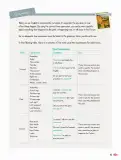
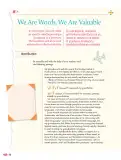
  2. Individually, but keeping in mind what you worked on collectively, think about what you have learned and write it on a table like this:
What I Already Knew What I Learned
  1. Show and compare the results of your tables.
  2. In assembly, and with the help of your teacher, answer the following questions: a) What do you still need to learn about the topic addressed in this project? b) How can you better organize the tasks, the research, and the information processing required to carry out a project? c) What coexistence skills does everyone in the classroom community need to develop? d) What would you like to learn about other games?
  3. Analyze your answers and agree on how to improve your performance in future projects. Write your conclusions in your notebook.
  4. Finally, write in your notebooks the assembly agreements reached by the community regarding the organization of your research and the creation of your gallery.

Ejemplos resueltos

Completa la tabla: What I Already Knew / What I Learned sobre los juegos tradicionales.

What I Already Knew What I Learned
Conocía algunos juegos como el trompo y la cuerda. Aprendí que los juegos cambian según la región y la época.
Sabía que se juega en grupo. Aprendí a investigar su origen y reglas en fuentes orales y escritas.

Tabla

What I Already Knew What I Learned
Conocía algunos juegos tradicionales. Aprendí su origen y variantes regionales.
Sabía que se juega en grupo. Aprendí a investigar en fuentes orales y escritas.

Diagrama

timeline
    title Proyecto Creativity at Work
    Montaje de galería : Planear y montar
    Exposición : Invitar y atender
    Retroalimentación : Recoger opiniones
    Evaluación : Tabla y asamblea
    Acuerdos : Escribir conclusiones

Glosario (5)

gallery
galería; espacio donde se exhiben trabajos
attendees
asistentes; personas que visitan la exposición
assembly
asamblea; reunión de toda la comunidad escolar
coexistence skills
habilidades de convivencia
feedback
retroalimentación; opiniones y sugerencias

Preguntas para practicar

What do you still need to learn about the topic addressed in this project?

Necesitamos profundizar en las reglas y el origen de los juegos tradicionales y en cómo se transmiten entre generaciones.

How can you better organize the tasks, the research, and the information processing required to carry out a project?

Usando un cronograma, repartiendo tareas por equipos y registrando la información en fichas o tablas.

What coexistence skills does everyone in the classroom community need to develop?

Escucha activa, respeto de turnos, tolerancia y colaboración solidaria.

What would you like to learn about other games?

Juegos de otras regiones y países, sus reglas, materiales y contexto.

Temas y conceptos clave

Proyecto comunitarioEvaluación del aprendizajeGalería escolargaleríaexhibiciónretroalimentaciónasambleaautoevaluación
¿Te fue útil esta página?

Figuras de la página (2)

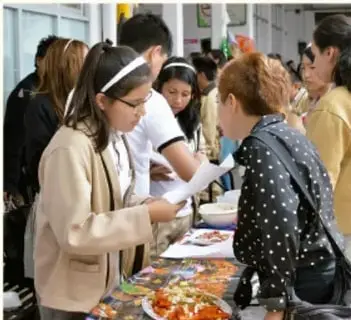
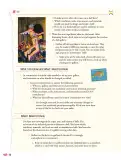
Estudiantes y visitantes observan una galería escolar con trabajos y alimentos.
Figura 1 image
Hoja de notas con líneas para escribir.
Figura 2 image

Preguntas que la gente también hace

¿Cómo se evalúa un proyecto de galería en inglés?
Consulta la solución completa arriba o explora el libro entero para temas relacionados.
¿Qué es una tabla 'What I Already Knew / What I Learned'?
Consulta la solución completa arriba o explora el libro entero para temas relacionados.
¿Qué habilidades de convivencia se desarrollan en un proyecto comunitario?
Consulta la solución completa arriba o explora el libro entero para temas relacionados.
📌 Antes de leer esto
  • • Vocabulario básico de juegos y proyectos en inglés
  • • Uso de tablas comparativas
  • • Participación en asambleas de aula
Siguiente tema sugerido
Presentación de conclusiones del proyecto y autoevaluación final
📝 Transcripción de la página (texto seleccionable) 1643 caracteres

Creativity at Work

  1. Set up the gallery as planned.

  2. Invite your community to visit the exhibition.

  3. Be ready to answer any question attendees may ask.

4.Invite attendees to write their questions,comments, suggestions, or opinions about the gallery, and the information presented in it.

Sharing and Assessing What We Learned

  1. When you remove the gallery, in community, talk about your experience working on the project and share the visitors'opinions and suggestions.

  2. Individually, but keeping in mind what you worked on collectively,think about what you have learned and write it on a table like this:

  3. In assembly, and with the help of your teacher, answer the following questions:

a) What do you still need to learn about the topic addressed in this project?

b) How can you better organize the tasks, the research, and the information processing required to carry out a project?

c) What coexistence skills does everyone in the classroom community need to develop?

d) What would you like to learn about other games?

  1. Analyze your answers and agree on how to improve your performance in future projects. Write your conclusions in your notebook.

  2. Finally, write in your notebooks the assembly agreements reached by the community regarding the organization of your research and the creation of your gallery.

234

8

![](page=0,bbox=[731, 171, 1082, 491])

What I Already KnewWhat I Learned
  1. Show and compare the results of your tables.

![](page=0,bbox=[860, 581, 1153, 950])

乐

92
Ad

Otros libros recomendados

Ver todos →
Ad

Usamos cookies propias y de terceros para personalizar contenido, mostrar publicidad y analizar el tráfico. Las cookies necesarias siempre están activas.