













Saltar al contenido
MisLibrosTexto
Ad

Language, Identity and Cultural Heritage

📄 ejercicios ingles 🎓 otro · 1° TELESECUNDARIA México 🇲🇽 MX 🗣 Español
Página 98
98 de 187
Página 98 de Uérakua anapu uantakua. Projects and Readings.  Libro de Educación Telesecundaria Grado 1°  Ciclo Escolar 2025 - 2026
Anterior Página 98 / 187 Siguiente

Respuesta rápida

2.a) Gestos, señas, repetición y canciones. 2.b) Nombres propios y palabras culturales; no tienen traducción exacta. 2.c) Español, náhuatl, mixteco e inglés.

📚 exercise ingles ⭐⭐ Dificultad 2/5 ⏱ 8 min lectura

Solución — Página 98

Uérakua anapu uantakua. Projects and Readings. Libro de Educación Telesecundaria Grado 1° Ciclo Escolar 2025 - 2026

2
Ejercicio 2

In communities, when you finish reading the passage, discuss the following questions.

a
Parte 2.a

What language strategies can you recognize in how the grandparents in the story make themselves understood?

  1. Los abuelos usan gestos, señas y objetos para hacerse entender.
  2. Repiten palabras clave y señalan lo que nombran.
  3. Mezclan su lengua materna con palabras del otro idioma.
  4. Cantan y usan tonos suaves para crear cercanía.
Respuesta

Usan gestos, señas, repetición, objetos y canciones para comunicarse sin dominar el otro idioma.

b
Parte 2.b

Which words or signs did not change? Why does this happen?

  1. Las palabras que no cambian son los nombres propios y los préstamos culturales.
  2. También permanecen las palabras de alimentos y tradiciones.
  3. Esto ocurre porque nombran realidades que no existen en el otro idioma.
  4. Además, se conservan por orgullo y herencia cultural.
Respuesta

Los nombres propios, alimentos y tradiciones; se conservan porque no tienen traducción exacta y representan la identidad.

c
Parte 2.c

What other languages are spoken in your community?

  1. En mi comunidad se hablan español, náhuatl y mixteco.
  2. Algunas familias también hablan inglés por migración.
  3. Estas lenguas conviven en fiestas, mercados y escuelas.
  4. Es importante respetarlas y aprender de ellas.

Retrieval

Oral and written language help us express our ideas and reveal who we are.

  1. El lenguaje oral y escrito expresa ideas y sentimientos.
  2. También revela nuestra identidad y la de los demás.
  3. Es herencia cultural porque guarda historias y tradiciones.
  4. Cambia con el tiempo, igual que las personas.

Respuesta orientativa: El lenguaje es una herencia cultural que nos permite reconocernos y expresar quiénes somos; cambia con el tiempo porque las sociedades evolucionan.

Respuesta

En mi comunidad se hablan español, náhuatl y mixteco, y algunas familias hablan inglés.

Contenido de la página

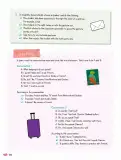
greetings, the most common phrases, and a song in Náhuatl that my grandfather sings to my grandmother when she prepares her delicious tlacoyos. My parents respect the Haitians' language, and I am surprised by my classmates who speak Maya. I hope that, very soon, we will communicate and sing in our language.

  1. In communities, when you finish reading the passage, discuss the following questions:

a) What language strategies can you recognize in how the grandparents in the story make themselves understood?

b) Which words or signs did not change? Why does this happen?

c) What other languages are spoken in your community?

A language strategy is what you do to communicate with people in another language.

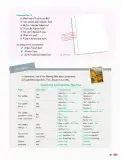
Language is very important in building personal and collective identity. It expresses ideas, thoughts, habits, traditions, and artistic works that would otherwise be lost in time. In other words, it is a way to express who we are.

Retrieval

Oral and written language help us express our ideas and reveal who we are. Thanks to language, we can recognize ourselves and those around us. We use it to express ideas, feelings, habits, stories, and traditions. It is a cultural heritage because it is an important part of our identity. However, language does not always stay the same, because it changes with time, as we do.

Glosario (6)

language strategy
What you do to communicate with people in another language.
cultural heritage
Traditions, languages and customs inherited from past generations.
identity
The set of characteristics that define who we are.
Náhuatl
Lengua originaria de México hablada por los nahuas.
Maya
Lengua originaria del sureste de México y Centroamérica.
Haitians
People from Haiti; their language is Haitian Creole.

Preguntas para practicar

What language strategies can you recognize in how the grandparents in the story make themselves understood?

Los abuelos usan gestos, señas, repetición de palabras, objetos y canciones para comunicarse con quienes hablan otro idioma. Estas estrategias les permiten hacerse entender sin dominar la lengua del otro.

Which words or signs did not change? Why does this happen?

Los nombres propios, los alimentos y las palabras ligadas a tradiciones no cambian porque nombran realidades culturales que no tienen traducción exacta. Se conservan como parte de la identidad y la herencia.

What other languages are spoken in your community?

En muchas comunidades de México se hablan español, náhuatl, mixteco, maya y otras lenguas originarias. También puede haber inglés por migración. Es importante valorarlas y aprender de ellas.

Temas y conceptos clave

Estrategias del lenguajeIdentidad personal y colectivaHerencia culturalDiversidad lingüísticalanguage strategycultural heritageidentityNáhuatlMayaHaitians
¿Te fue útil esta página?

Figuras de la página (3)

Ilustración de un paisaje con montañas y un lago.
Figura 1 image
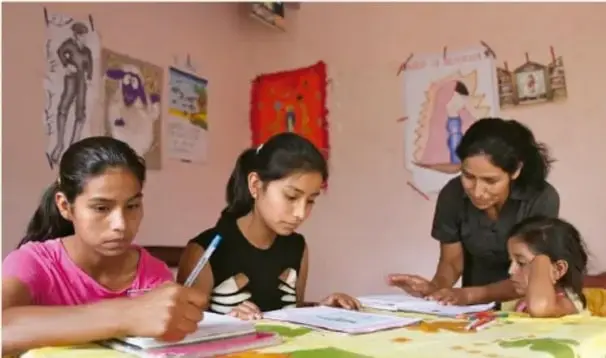
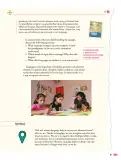
Fotografía de una maestra y tres estudiantes trabajando en una mesa con libros y dibujos en la pared.
Figura 2 image
Icono de un marcador de mapa con un círculo blanco en el centro.
Figura 3 image

Preguntas que la gente también hace

¿Qué es una estrategia de lenguaje?
Consulta la solución completa arriba o explora el libro entero para temas relacionados.
¿Por qué algunas palabras no cambian entre idiomas?
Consulta la solución completa arriba o explora el libro entero para temas relacionados.
¿Cómo el lenguaje construye la identidad cultural?
Consulta la solución completa arriba o explora el libro entero para temas relacionados.
📌 Antes de leer esto
  • • Vocabulario básico en inglés sobre familia y comunidad
  • • Comprensión de lectura en inglés
  • • Conocimiento de lenguas originarias de México
Siguiente tema sugerido
Language change and cultural identity
📝 Transcripción de la página (texto seleccionable) 1457 caracteres

greetings, the most common phrases, and a song in Náhuatl that my grandfather sings to my grandmother when she prepares her delicious tlacoyos. My parents respect the Haitians' language, and I am surprised by my classmates who speak Maya. I hope that, very soon, we will communicate and sing in our language.

  1. In communities, when you finish reading the passage,discuss the following questions:

What language strategies can you recognize in how the grandparents in the story make themselves understood?

b) Which words or signs did not change? Why does this happen?

c)What other languages are spoken in your community?

A language strategy is what you do to communicate with people in another language.

Language is very important in building personal and collective identity. It expresses ideas, thoughts, habits, traditions, and artistic works that would otherwise be lost in time. In other words, it is a way to express who we are.

Retrieval

Oral and written language help us express our ideas and reveal who we are. Thanks to language, we can recognize ourselves and those around us. We use it to express ideas, feelings, habits, stories,and traditions. It is a cultural heritage because it is an important part of our identity. However, language does not always stay the same, because it changes with time, as we do.

25

![](page=0,bbox=[887, 204, 1028, 382])

![](page=0,bbox=[310, 799, 916, 1157])

![](page=0,bbox=[181, 1303, 262, 1432])

97

Ad

Otros libros recomendados

Ver todos →
Ad

Usamos cookies propias y de terceros para personalizar contenido, mostrar publicidad y analizar el tráfico. Las cookies necesarias siempre están activas.