















Saltar al contenido
MisLibrosTexto
Ad

What I Do Know and What I Want to Know: Community Life Project

📄 ejercicios ingles 🎓 otro · 2° TELESECUNDARIA México 🇲🇽 MX 🗣 Español
Página 141
141 de 171
Página 141 de Uérakua anapu uantakua. Projects and Readings.  Libro de Educación Telesecundaria Grado 2°  Ciclo Escolar 2025 - 2026
Anterior Página 141 / 171 Siguiente

Respuesta rápida

Tabla de entrevistas completada; problema comunitario priorizado; fuentes consultadas (libro, biblioteca, sitios web, expertos); preguntas de investigación respondidas.

📚 exercise ingles ⭐⭐ Dificultad 2/5 ⏱ 8 min lectura

Solución — Página 141

Uérakua anapu uantakua. Projects and Readings. Libro de Educación Telesecundaria Grado 2° Ciclo Escolar 2025 - 2026

1
Ejercicio 1

In communities, interview your neighbors, family members, teachers, and students in your school and ask them what they think are the most important needs for living in a community. Write their opinions and proposals on a table.

  1. Se seleccionan al menos cuatro informantes: un vecino, un familiar, un docente y un estudiante.
  2. Se formulan las tres preguntas de la tabla y se registran las respuestas textuales.
  3. Se organizan las respuestas en la tabla Questions / Answers.
Questions Answers
What are the collective needs related to health, security, and the environment? Health: a community clinic with permanent staff. Security: street lighting and neighborhood watch. Environment: garbage collection and recycling program.
What problems prevent meeting the needs of the community? Lack of public budget, few doctors, unlit streets, no recycling culture, and garbage accumulating in vacant lots.
How can you solve these problems? Organize brigades, request support from the municipality, create a school recycling campaign, and hold community assemblies.
Respuesta

Tabla completada con respuestas reales de la comunidad. Ejemplo orientativo:
2
Ejercicio 2

In assembly, analyze the information from the interviews. Pay attention to common problems or repetitive situations.

  1. Se reúnen todas las respuestas obtenidas en las entrevistas.
  2. Se agrupan por categorías: salud, seguridad y medio ambiente.
  3. Se identifican los problemas que se repiten en más de una entrevista.
Respuesta

Los problemas repetidos (por ejemplo, falta de alumbrado, basura acumulada y escasez de servicios médicos) se priorizan porque reflejan necesidades colectivas y no opiniones aisladas.

3
Ejercicio 3

Choose a problem or risk situation for health, security, or the environment that you would like to solve through a community life project.

  1. Se elige el problema con mayor frecuencia y mayor impacto en la comunidad.
  2. Se redacta en una oración el problema seleccionado.
  3. Se justifica por qué es viable resolverlo desde la escuela.
Respuesta

Ejemplo: "We choose the accumulation of garbage in vacant lots because it affects health and the environment, and we can solve it with a school recycling and cleaning campaign."

Ad
4
Ejercicio 4

According to the results of the interviews, refer to the following sources to get more information about the collective needs you want to address.

a
Parte 4.a

Book Colección Sk'asolil. De lo humano y lo comunitario. Segundo grado and other books from the Formative Fields.

Respuesta

Se consulta el libro de texto para fundamentar teóricamente el problema elegido y contrastar la información con la realidad local.

b
Parte 4.b

The School Library and community public library.

Respuesta

Se buscan libros, revistas y documentos sobre salud, seguridad y medio ambiente para ampliar la investigación.

c
Parte 4.c

Websites of public institutions and national or international educational institutions.

Respuesta

Se consultan sitios oficiales (secretarías de salud, medio ambiente, ONU, UNESCO) para obtener datos confiables y actualizados.

d
Parte 4.d

Interviews with experts.

Respuesta

Se entrevista a un médico, un policía o un ingeniero ambiental para obtener información técnica y propuestas de solución.

5
Ejercicio 5

Base your research on the following questions. Add any others if necessary.

a
Parte 5.a

What is this need about?

Respuesta

Se define el problema elegido: en qué consiste, a quiénes afecta y desde cuándo se presenta en la comunidad.

b
Parte 5.b

What problems make it difficult to meet this need?

Respuesta

Se identifican las causas: falta de presupuesto, ausencia de servicios públicos, desconocimiento de la población o falta de organización vecinal.

c
Parte 5.c

How did other communities solve this problem?

Respuesta

Se investigan casos similares en otras colonias, municipios o países y se describen las estrategias que aplicaron.

d
Parte 5.d

What projects have you worked on?

Respuesta

Se mencionan proyectos escolares previos (campañas de reciclaje, faenas, periódicos murales) y se explica qué aprendizajes pueden reutilizarse.

Contenido de la página

What I Do Know and What I Want to Know

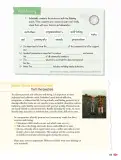
A community life project starts by identifying personal and collective needs.

  1. In communities, interview your neighbors, family members, teachers, and students in your school and ask them what they think are the most important needs for living in a community. For example, the ones related to health, security, and the protection of the environment. Write their opinions and proposals on a table. Use the following example as a guide:
Questions Answers
What are the collective needs related to health, security, and the environment?
What problems prevent meeting the needs of the community?
How can you solve these problems?
  1. In assembly, analyze the information from the interviews. Pay attention to common problems or repetitive situations.

  2. Choose a problem or risk situation for health, security, or the environment that you would like to solve through a community life project.

What I Need to Know

  1. According to the results of the interviews, in communities refer to the following sources to get more information about the collective needs you want to address.

a) Book Colección Sk'asolil. De lo humano y lo comunitario. Segundo grado, and the other books of this collection from the different Formative Fields

b) The School Library and community public library

c) Websites of public institutions and national or international educational institutions

d) Interviews with experts

  1. Base your research on the following questions. Add any others if necessary.

a) What is this need about?

b) What problems make it difficult to meet this need?

c) How did other communities solve this problem?

d) What projects have you worked on?

Ejemplos resueltos

Completa la tabla de entrevista con las necesidades colectivas de tu comunidad.

Se entrevista a vecinos, familiares, docentes y estudiantes. Se registran sus respuestas en la tabla Questions / Answers, agrupando por salud, seguridad y medio ambiente.

Tabla

Questions Answers
What are the collective needs related to health, security, and the environment?
What problems prevent meeting the needs of the community?
How can you solve these problems?

Diagrama

flowchart TD
A[Identify collective needs] --> B[Interview neighbors, family, teachers, students]
B --> C[Write opinions on a table]
C --> D[Analyze in assembly]
D --> E[Choose a problem: health, security or environment]
E --> F[Consult sources: book, library, websites, experts]
F --> G[Answer research questions]
G --> H[Design community life project]

Glosario (5)

community life project
proyecto de vida comunitaria; iniciativa colectiva para mejorar la convivencia y las condiciones de vida
collective needs
necesidades colectivas; carencias o requerimientos que afectan a toda la comunidad
assembly
asamblea; reunión donde se analizan y toman decisiones colectivas
interview
entrevista; conversación estructurada para obtener información
formative fields
campos formativos; áreas de aprendizaje del currículo

Preguntas para practicar

What are the collective needs related to health, security, and the environment?

Health: access to medical services and prevention campaigns. Security: street lighting, safe public spaces, and neighborhood watch. Environment: garbage collection, recycling, and protection of green areas.

What problems prevent meeting the needs of the community?

Lack of public budget, few public services, low citizen participation, and absence of community organization.

How can you solve these problems?

Organizing community brigades, requesting support from authorities, running school campaigns, and holding regular assemblies.

Temas y conceptos clave

Identificación de necesidades colectivasEntrevistas comunitariasAnálisis en asambleaSelección de un problema comunitarioFuentes de investigaciónPreguntas guía de investigaciónNecesidad colectivaProyecto de vida comunitariaAsambleaEntrevistaFuente de informaciónSalud, seguridad y medio ambiente

Fuentes y referencias

  • Colección Sk'asolil. De lo humano y lo comunitario. Segundo grado
  • Biblioteca escolar y biblioteca pública comunitaria
  • Sitios web de instituciones públicas y educativas nacionales e internacionales
  • Entrevistas con expertos
¿Te fue útil esta página?

Figuras de la página (2)

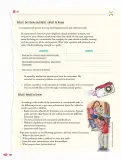
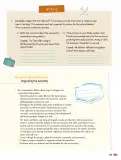
Ilustración de una cámara fotográfica con líneas de movimiento, símbolo de registrar evidencias del proyecto.
Figura 1 image
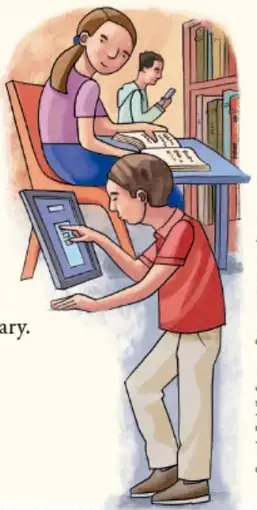
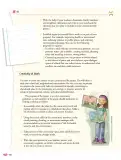
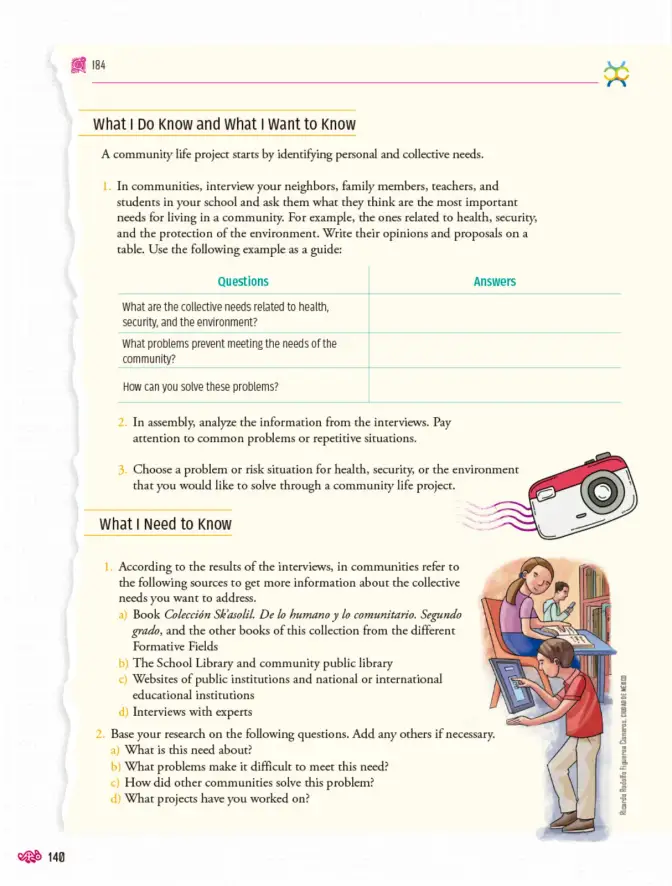
Ilustración de tres estudiantes trabajando con libros y una tableta en una biblioteca, representando la investigación documental.
Figura 2 image

Preguntas que la gente también hace

¿Cómo identificar las necesidades colectivas de una comunidad?
Consulta la solución completa arriba o explora el libro entero para temas relacionados.
¿Qué fuentes puedo consultar para investigar un problema comunitario?
Consulta la solución completa arriba o explora el libro entero para temas relacionados.
¿Cómo se elige un problema para un proyecto de vida comunitaria?
Consulta la solución completa arriba o explora el libro entero para temas relacionados.
📌 Antes de leer esto
  • • Vocabulario básico en inglés sobre salud, seguridad y medio ambiente
  • • Elaboración de tablas de registro
  • • Nociones de entrevista y trabajo colaborativo
Siguiente tema sugerido
Diseño y ejecución del proyecto de vida comunitaria: plan de acción y cronograma
📝 Transcripción de la página (texto seleccionable) 1790 caracteres

What I Do Know and What I Want to Know

A community life project starts by identifying personal and collective needs.

  1. In communities, interview your neighbors, family members, teachers, and students in your school and ask them what they think are the most important needs for living in a community. For example, the ones related to health, security,and the protection of the environment. Write their opinions and proposals on a table. Use the following example as a guide:

  2. In assembly, analyze the information from the interviews. Pay attention to common problems or repetitive situations.

What I Need to Know

  1. According to the results of the interviews, in communities refer to the following sources to get more information about the collective needs you want to address.

a)Book Colección Sk'asolil. De lo bumano y lo comunitario. Segundo grado, and the other books of this collection from the different Formative Fields

b) The School Library and community public library

c) Websites of public institutions and national or international educational institutions

d) Interviews with experts

  1. Base your research on the following questions. Add any others if necessary. a) What is this need about?

b) What problems make it difficult to meet this need? c) How did other communities solve this problem? d) What projects have you worked on?

184

×

QuestionsAnswers
what are the collective needs related to health, security, and the environment?
What problems prevent meeting the needs of the community?
How can you solve these problems?

![](page=0,bbox=[818, 812, 1151, 977])

![](page=0,bbox=[864, 999, 1121, 1509])

140

Ad

Otros libros recomendados

Ver todos →
Ad

Usamos cookies propias y de terceros para personalizar contenido, mostrar publicidad y analizar el tráfico. Las cookies necesarias siempre están activas.