Ejercicio 1
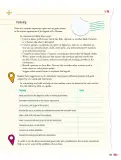
Read the concepts and definitions, provide an example of each, and use the examples to create sentences using the perfect tenses.
 MisLibrosTexto
 Prueba nacional
TransformarPor universidad (27)
 ESPE — Universidad de las Fuerzas Armadas ESPE
 ESPOCH — Escuela Superior Politécnica de Chimborazo
 ESPOL — Escuela Superior Politécnica del Litoral IKIAM — Universidad Regional Amazónica Ikiam
 UCE — Universidad Central del Ecuador
 UCUENCA — Universidad de Cuenca UEA — Universidad Estatal Amazónica
 UEB — Universidad Estatal de Bolívar
 UG — Universidad de Guayaquil
 ULEAM — Universidad Laica Eloy Alfaro de Manabí
 UNACH — Universidad Nacional de Chimborazo
 UNAE — Universidad Nacional de Educación
 UNEMI — Universidad Estatal de Milagro
 UNESUM — Universidad Estatal del Sur de Manabí UNL — Universidad Nacional de Loja
 UPEC — Universidad Politécnica Estatal del Carchi
 UPSE — Universidad Estatal Península de Santa Elena UTA — Universidad Técnica de Ambato UTB — Universidad Técnica de Babahoyo UTC — Universidad Técnica de Cotopaxi
 UTELVT — Universidad Técnica Luis Vargas Torres de Esmeraldas
 UTEQ — Universidad Técnica Estatal de Quevedo
 UTM — Universidad Técnica de Manabí UTMACH — Universidad Técnica de Machala UTN — Universidad Técnica del Norte MisLibrosTexto
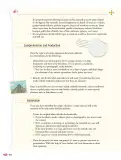
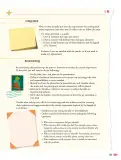
Ejemplos y oraciones en tiempos perfectos para los 13 conceptos: legend, folk tale, fable, parable, myth, tragedy, fantasy, theme, moral, oral tradition, cultural context, characterization y dialect.
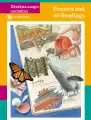
Uérakua anapu uantakua. Projects and Readings. Libro de Educación Telesecundaria Grado 2° Ciclo Escolar 2025 - 2026
Read the concepts and definitions, provide an example of each, and use the examples to create sentences using the perfect tenses.
Example: the legend of La Nahuala. Sentence: I have heard about the legend of the Nahuala.
Example: The Three Little Pigs. Sentence: My grandmother had told us the folk tale before we went to bed.
Example: The Tortoise and the Hare. Sentence: The teacher has read us the fable about the tortoise and the hare.
Example: the parable of the prodigal son. Sentence: We have studied the parable of the prodigal son in class.
Example: the myth of Hades and Persephone. Sentence: People have told the myth of Hades and Persephone for centuries.
Example: Romeo and Juliet. Sentence: Many students have watched the tragedy of Romeo and Juliet.
Example: The Chronicles of Narnia. Sentence: My cousin has read all the fantasy books of Narnia.
Example: the theme of love in Romeo and Juliet. Sentence: The author has developed the theme of love in the play.
Example: slow and steady wins the race. Sentence: The fable has taught us the moral that slow and steady wins the race.
Example: Nahua stories passed from grandparents to grandchildren. Sentence: The Nahua people have preserved their oral tradition for generations.
Example: the cultural context of the Mayan people. Sentence: The story has reflected the cultural context of the Mayan people.
Example: the characterization of Harry Potter. Sentence: The writer has used characterization to describe Harry Potter's personality.
Example: the Yucatec Maya dialect. Sentence: The characters have spoken in a regional dialect of Yucatan.
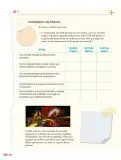
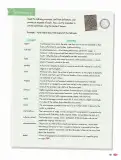
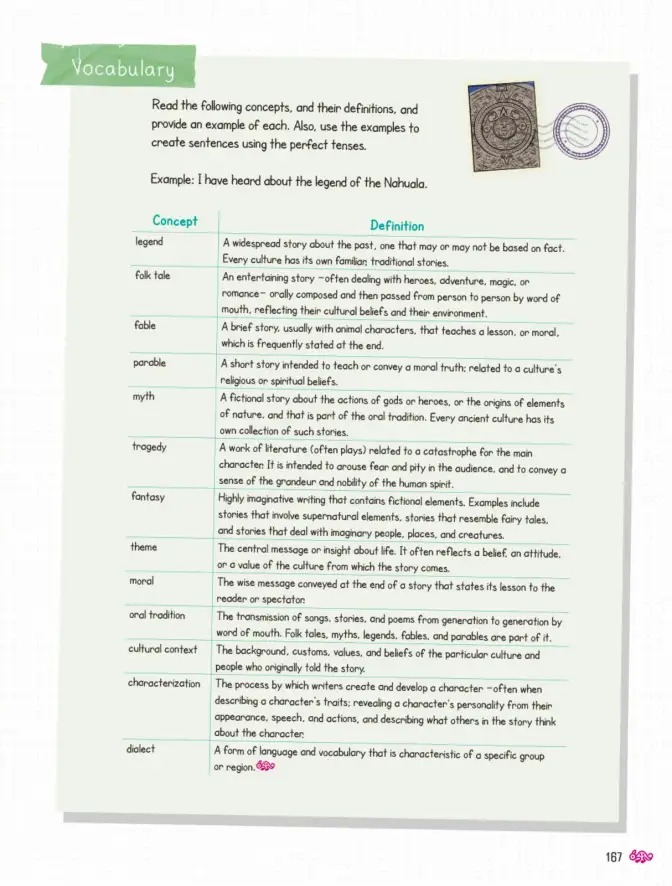
Read the following concepts, and their definitions, and provide an example of each. Also, use the examples to create sentences using the perfect tenses.
Example: I have heard about the legend of the Nahuala.
| Concept | Definition |
|---|---|
| legend | A widespread story about the past, one that may or may not be based on fact. Every culture has its own familiar, traditional stories. |
| folk tale | An entertaining story –often dealing with heroes, adventure, magic, or romance– orally composed and then passed from person to person by word of mouth, reflecting their cultural beliefs and their environment. |
| fable | A brief story, usually with animal characters, that teaches a lesson, or moral, which is frequently stated at the end. |
| parable | A short story intended to teach or convey a moral truth; related to a culture's religious or spiritual beliefs. |
| myth | A fictional story about the actions of gods or heroes, or the origins of elements of nature, and that is part of the oral tradition. Every ancient culture has its own collection of such stories. |
| tragedy | A work of literature (often plays) related to a catastrophe for the main character. It is intended to arouse fear and pity in the audience, and to convey a sense of the grandeur and nobility of the human spirit. |
| fantasy | Highly imaginative writing that contains fictional elements. Examples include stories that involve supernatural elements, stories that resemble fairy tales, and stories that deal with imaginary people, places, and creatures. |
| theme | The central message or insight about life. It often reflects a belief, an attitude, or a value of the culture from which the story comes. |
| moral | The wise message conveyed at the end of a story that states its lesson to the reader or spectator. |
| oral tradition | The transmission of songs, stories, and poems from generation to generation by word of mouth. Folk tales, myths, legends, fables, and parables are part of it. |
| cultural context | The background, customs, values, and beliefs of the particular culture and people who originally told the story. |
| characterization | The process by which writers create and develop a character –often when describing a character's traits; revealing a character's personality from their appearance, speech, and actions, and describing what others in the story think about the character. |
| dialect | A form of language and vocabulary that is characteristic of a specific group or region. |
Provide an example of the concept 'legend' and use it in a sentence with perfect tenses.
Example: the legend of La Nahuala. Sentence: I have heard about the legend of the Nahuala.
| Concept | Definition |
|---|---|
| legend | A widespread story about the past, one that may or may not be based on fact. Every culture has its own familiar, traditional stories. |
| folk tale | An entertaining story –often dealing with heroes, adventure, magic, or romance– orally composed and then passed from person to person by word of mouth, reflecting their cultural beliefs and their environment. |
| fable | A brief story, usually with animal characters, that teaches a lesson, or moral, which is frequently stated at the end. |
| parable | A short story intended to teach or convey a moral truth; related to a culture's religious or spiritual beliefs. |
| myth | A fictional story about the actions of gods or heroes, or the origins of elements of nature, and that is part of the oral tradition. Every ancient culture has its own collection of such stories. |
| tragedy | A work of literature (often plays) related to a catastrophe for the main character. It is intended to arouse fear and pity in the audience, and to convey a sense of the grandeur and nobility of the human spirit. |
| fantasy | Highly imaginative writing that contains fictional elements. Examples include stories that involve supernatural elements, stories that resemble fairy tales, and stories that deal with imaginary people, places, and creatures. |
| theme | The central message or insight about life. It often reflects a belief, an attitude, or a value of the culture from which the story comes. |
| moral | The wise message conveyed at the end of a story that states its lesson to the reader or spectator. |
| oral tradition | The transmission of songs, stories, and poems from generation to generation by word of mouth. Folk tales, myths, legends, fables, and parables are part of it. |
| cultural context | The background, customs, values, and beliefs of the particular culture and people who originally told the story. |
| characterization | The process by which writers create and develop a character –often when describing a character's traits; revealing a character's personality from their appearance, speech, and actions, and describing what others in the story think about the character. |
| dialect | A form of language and vocabulary that is characteristic of a specific group or region. |
What is the difference between a myth and a legend?
A myth deals with gods, heroes, or natural origins and is considered sacred or fictional, while a legend is based on a historical event or person, though it may include fantastic elements. Both are part of oral tradition.
Why is oral tradition important in cultures?
Oral tradition preserves the history, values, and beliefs of a community across generations. It strengthens cultural identity and transmits knowledge through stories, songs, and poems.
Read the following concepts, and their definitions, and provide an example of each. Also, use the examples to create sentences using the perfect tenses.

Example: I have heard about the legend of the Nahuala.
| Concept | Definition |
| legend | A widespread story about the past, one that may or may not be based on fact. Every culture has its own familian; traditional stonies. |
| folk tale | An entertaining story -often dealing with heroes, adventure, magic,or romance- orally composed and then passed from person to person by word of |
| fable | mouth, reflecting their cultural beliefs and their environment. A brief story, usually with animal chanacters,that teaches alesson,or moral, which is frequently stated at the end. |
| parable | A short story intended to teach or convey a moral truth; related to a culture's religious or spinitual beliefs. |
| myth | A fictional story about the actions of gods or heroes, or the origins of elements of nature, and that is pant of the oral tradition. Every ancient culture has its own collection of such stories. |
| tragedy | A work of litenature(often plays) related to a catastrophe for the main chanacten: It is intended to arouse fear and pity in the audience, and to convey a sense of the grandeur and nobility of the human spinit. |
| fantasy | Highly imaginative wniting that contains fictional elements. Examples include stories that involve supernatunal elements, stories that resemble fairy tales, and stonies that deal with imaginary people, places, and creatures. |
| theme | The central messoge or insight about life. It often reflects a belief, an attitude, or a value of the culture from which the story comes. |
| moral | The wise message conveyed at the end of a story that states its lesson to the reader or spectaton: |
| oral tradition | The transmission of songs, stories, and poems from genenation to generation by wond of mouth.Folk tales, myths,legends, fables, and parables ane pant of it. |
| cultural context | The background, customs, values, and beliefs of the panticular culture and people who originally told the story. |
| characterization | The process by which wniters create and develop a chanacter -often when descnibing a character's traits; revealing a chanacter's personality from thein appearance, speech, and actions, and describing what othens in the story think about the character. |
| dialect | A form of language and vocabulary that is chanactenistic of a specific group or region.8 |
167
8
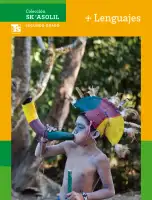
Colección Sk´asolil. Lenguajes. Libro de Educación Telesecundaria Grado 2° Ciclo Escolar 2025 - 2026
SEP/CONALITEG
323 págs.
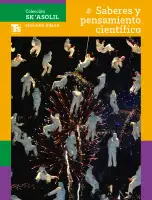
Colección Sk´asolil. Saberes y pensamiento científico. Libro de Educación Telesecundaria Grado 2° Ciclo Escolar 2025 - 2026
SEP/CONALITEG
339 págs.
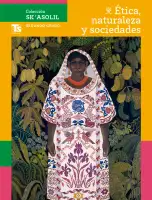
Colección Sk´asolil. Ética, naturaleza y sociedades. Libro de Educación Telesecundaria Grado 2° Ciclo Escolar 2025 - 2026
SEP/CONALITEG
355 págs.
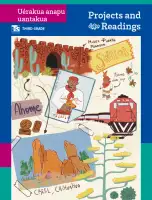
Uérakua anapu uantakua. Projects and Readings. Libro de Educación Telesecundaria Grado 3° Ciclo Escolar 2025 - 2026
SEP/CONALITEG
187 págs.
Colección Sk´asolil. De lo humano y lo comunitario. Libro de Educación Telesecundaria Grado 2° Ciclo Escolar 2025 - 2026
SEP/CONALITEG
259 págs.
Colección Sk´asolil. Nuestro libro de Proyectos. Tomo II. Libro de Educación Telesecundaria Grado 2° Ciclo Escolar 2025 - 2026
SEP/CONALITEG
259 págs.
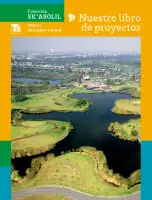
Colección Sk´asolil. Nuestro libro de Proyectos. Tomo I. Libro de Educación Telesecundaria Grado 2° Ciclo Escolar 2025 - 2026
SEP/CONALITEG
291 págs.
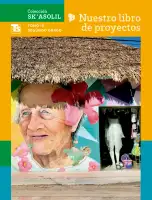
Colección Sk´asolil. Nuestro libro de Proyectos. Tomo III. Libro de Educación Telesecundaria Grado 2° Ciclo Escolar 2025 - 2026
SEP/CONALITEG
291 págs.
Usamos cookies propias y de terceros para personalizar contenido, mostrar publicidad y analizar el tráfico. Las cookies necesarias siempre están activas.