Saltar al contenido
MisLibrosTexto
Ad

Comprehension and Production / Exploration: proyecto artistico a partir de una leyenda

📄 ejercicios ingles 🎓 otro · 2° TELESECUNDARIA México 🇲🇽 MX 🗣 Español
Página 165
165 de 171
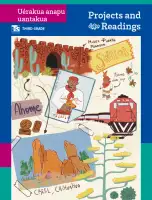
Página 165 de Uérakua anapu uantakua. Projects and Readings.  Libro de Educación Telesecundaria Grado 2°  Ciclo Escolar 2025 - 2026
Anterior Página 165 / 171 Siguiente

Respuesta rápida

Se elige un tema social vinculado a la leyenda, una expresion artistica y materiales reciclados; se produce la obra, se ensaya y se presenta con retroalimentacion del grupo.

📚 exercise ingles ⭐⭐ Dificultad 2/5 ⏱ 6 min lectura

Solución — Página 165

Uérakua anapu uantakua. Projects and Readings. Libro de Educación Telesecundaria Grado 2° Ciclo Escolar 2025 - 2026

3
Ejercicio 3

In assembly and with the help of your teacher, identify a recent topic related to the legend.

  1. Se parte de la leyenda leida y se buscan temas sociales vigentes que conecten con ella.
  2. El texto ofrece ejemplos: desapariciones forzadas, muerte de civiles inocentes, violencia de genero, impacto negativo del machismo o sexismo.
  3. Otros temas posibles: discriminacion, estereotipos de genero, tristeza, soledad, traicion, culpa, miedo a la muerte, miedo a lo desconocido, misterio y terror.
  4. Se elige UN tema y se justifica su relacion con la leyenda.

Respuesta orientativa: Un tema pertinente es la violencia de genero, porque muchas leyendas latinoamericanas muestran a mujeres castigadas o silenciadas; trabajarlo permite reflexionar sobre el machismo actual y da sentido social al proyecto artistico.

4
Ejercicio 4

In communities, decide which topic to work on as well as the artistic expression you will use.

  1. El grupo se organiza en comunidades (equipos) y vota por el tema.
  2. Se elige la expresion artistica: cancion, poema, obra de teatro, escultura, pintura, dibujo o fotografia.
  3. Se registra la decision en el cuaderno para justificarla despues.

Respuesta orientativa: El equipo puede elegir el tema "estereotipos de genero" y la expresion "obra de teatro", porque permite representar dialogos, usar el cuerpo y el espacio, y comunicar el mensaje con claridad al publico.

Comprehension and Production

Paso 1

Determine your starting point.

  1. Si es cancion, poema u obra: lluvia de ideas y primeros borradores.
  2. Si es imagen, escultura, pintura o fotografia: bocetos.
  3. Se trabaja en el cuaderno o en una hoja.

Paso 1.a

No olvidar los elementos de las expresiones artisticas: body, space and time (cuerpo, espacio y tiempo).

Respuesta orientativa: En una obra de teatro, el cuerpo son los movimientos y gestos de los actores; el espacio es el escenario y su distribucion; el tiempo es la duracion y el ritmo de las escenas.

Paso 2

Identify and decide what materials you will need.

  1. Los materiales deben ser atractivos porque la obra se exhibira.
  2. Se sugieren materiales faciles de conseguir: carton, papel reciclado, botellas de agua o refresco, lapices de color, hojas secas o tierra.

Respuesta orientativa: Para una escultura sobre la leyenda se pueden usar botellas de plastico recicladas, carton y hojas secas; son economicos, disponibles y permiten una textura atractiva para la exhibicion.

Exploration

Paso 1

Create the original idea with the final materials.

Paso 1.a

If you decided to make a theater play or choreography, you must create the scenery.

Respuesta orientativa: El escenario debe representar el lugar de la leyenda (por ejemplo, un bosque o un pueblo) con telones pintados, objetos reciclados y buena iluminacion.

Paso 1.b

If it's a sculpture, a drawing, or a painting, the materials depend on the artistic representation selected.

Respuesta orientativa: Una escultura requiere materiales con volumen (carton, plastilina, botellas); un dibujo o pintura requiere papel, lapices o acuarelas y una superficie plana.

Paso 1.c

If the final product is a song, add music and the melodic line and harmony (first, second, and third voices).

Respuesta orientativa: Se compone una melodia principal (primera voz), se agrega una segunda voz a distancia de tercera o sexta y una tercera voz de acompanamiento; luego se ensaya la armonia completa.

Paso 1.d

If it's a poem or a story, determine how it will be presented.

Respuesta orientativa: Se puede presentar recitado con fondo musical, en formato de lectura dramatizada o acompanado de imagenes proyectadas, segun el tono del poema o relato.

Paso 2

Once the product has been completed, it's time to practice the work or presentation. With the help of your teacher, ask your classmates to share their opinions.

  1. Se ensaya la obra o presentacion completa.
  2. Se pide a los companeros que den su opinion para mejorar.
  3. Se ajustan detalles antes de la exhibicion final.

Respuesta orientativa: El ensayo general permite detectar fallas de ritmo, volumen o coordinacion; la retroalimentacion de los companeros ayuda a corregir y a que el mensaje llegue mejor al publico.

Contenido de la página

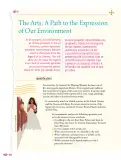
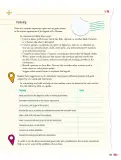
  1. In assembly and with the help of your teacher, identify a recent topic related to the legend. For example, forced disappearances, death of innocent civilians, gender-based violence, and the negative impact of machismo or sexism. Some other topics may be discrimination, gender stereotypes, sadness, loneliness, betrayal, guilt, fear of death, fear of the unknown, mystery, and terror.

  2. In communities, decide which topic to work on as well as the artistic expression you will use.

Comprehension and Production

Once the topic and artistic expression have been selected, in communities, do the following:

  1. Determine your starting point: If it's a song, a poem, or a play, brainstorm and write your first ideas. If it's a picture, a sculpture, a painting or a photograph, make sketches. a) You can do this in your notebook or on a sheet of paper, and don't forget the elements of the artistic expressions: body, space, and time.

  2. Identify and decide what materials you will need. Considering that your works will be exhibited, make sure that they are attractive.

Keep in mind that you can use easy, readily available materials, such as cardboard sheets, recycled paper, water or soda bottles, colored pencils, or some natural elements such as dried leaves or soil.

Exploration

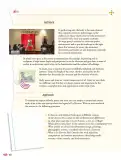
Once you have identified the scripts, sketches, or basic ideas as well as the materials to be used, make the final product.

  1. Create the original idea with the final materials. a) If you decided to make a theater play or choreography, you must create the scenery. b) If it's a sculpture, a drawing, or a painting, the materials you use will depend on the artistic representation selected. c) If the final product is a song, add music and the melodic line and harmony (first, second, and third voices). d) If it's a poem or a story, determine how it will be presented.

  2. Once the product has been completed, it's time to practice the work or presentation. With the help of your teacher, ask your classmates to share their opinions.

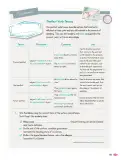
Tabla

Expresion artistica Que se hace Materiales sugeridos
Obra de teatro / coreografia Crear escenografia Carton, telas, botellas
Escultura / dibujo / pintura Elegir materiales segun la representacion Plastilina, papel, lapices
Cancion Agregar musica, melodia y armonia Instrumentos, voces
Poema / cuento Definir forma de presentacion Cuaderno, papel, micrófono

Diagrama

flowchart TD
  A[Leyenda leida] --> B[Elegir tema social]
  B --> C[Elegir expresion artistica]
  C --> D[Comprehension and Production]
  D --> E[Punto de partida: ideas o bocetos]
  E --> F[Elegir materiales]
  F --> G[Exploration: producto final]
  G --> H[Ensayo y presentacion]
  H --> I[Retroalimentacion del grupo]

Glosario (8)

assembly
reunion de todo el grupo con el docente
brainstorm
lluvia de ideas
sketches
bocetos o dibujos preliminares
scenery
escenografia o decorado
melodic line
linea melodica principal de una cancion
harmony
combinacion de voces o acordes que acompanan la melodia
machismo
actitud de superioridad del hombre sobre la mujer
gender stereotypes
ideas preconcebidas sobre roles de genero

Preguntas para practicar

Why is it important to link a legend with a current social topic?

Porque actualiza el mensaje de la leyenda y permite reflexionar sobre problemas que siguen afectando a la comunidad, como la violencia o la discriminacion.

How can recycled materials improve your artistic project?

Reducen costos, cuidan el ambiente y demuestran creatividad; ademas, hacen que la obra sea accesible para todos los estudiantes.

Temas y conceptos clave

Proyecto artistico a partir de una leyendaTemas sociales contemporaneosExpresiones artisticasMateriales y exhibicionbody, space and timeartistic expressionbrainstormsketchesscenerymelodic line and harmony
¿Te fue útil esta página?

Figuras de la página (1)

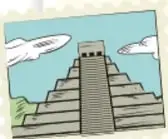
Ilustracion de una piramide prehispanica escalonada con nubes y un cielo azul, asociada al contexto de la leyenda.
Figura 1 image

Preguntas que la gente también hace

Como elegir un tema social a partir de una leyenda?
Consulta la solución completa arriba o explora el libro entero para temas relacionados.
Que materiales reciclados puedo usar para una escultura escolar?
Consulta la solución completa arriba o explora el libro entero para temas relacionados.
Como presentar un poema o una cancion en clase de ingles?
Consulta la solución completa arriba o explora el libro entero para temas relacionados.
📌 Antes de leer esto
  • • Lectura previa de una leyenda en ingles
  • • Vocabulario basico de arte y materiales
  • • Identificacion de temas sociales
Siguiente tema sugerido
Presentacion y evaluacion del producto artistico final
📝 Transcripción de la página (texto seleccionable) 2075 caracteres
  1. In assembly and with the help of your teacher, identify a recent topic related to the legend. For example, forced disappearances, death of innocent civilians,gender-based violence, and the negative impact of machismo or sexism. Some other topics may be discrimination, gender stereotypes, sadness, loneliness,betrayal, guilt, fear of death, fear of the unknown, mystery, and terror.

4.In communities, decide which topic to work on as well as the artistic expression you will use.

Comprehension and Production

Once the topic and artistic expression have been selected,in communities, do the following:

  1. Determine your starting point: If it's a song, a poem, or a play,brainstorm and write your first ideas. If it's a picture, a sculpture,a painting or a photograph, make sketches.

a) You can do this in your notebook or on a sheet of paper, and don't forget the elements of the artistic expressions: body, space, and time.

  1. Identify and decide what materials you will need. Considering that your works will be exhibited, make sure that they are attractive.

Keep in mind that you can use easy, readily available materials, such as cardboard sheets, recycled paper, water or soda bottles, colored pencils, or some natural elements such as dried leaves or soil.

Exploration

Once you have identified the scripts, sketches, or basic ideas as well as the materials to be used, make the final product.

  1. Create the original idea with the final materials.

a) If you decided to make a theater play or choreography, you must create the scenery.

b) If it's a sculpture, a drawing, or a painting, the materials you use will depend on the artistic representation selected.

If the final product is a song, add music and the melodic line and harmony (first, second, and third voices).

d) If it's a poem or a story, determine how it will be presented.

Once the product has been completed, it's time to practice the work or presentation. With the help of your teacher, ask your classmates to share their opinions.

71

![](page=0,bbox=[100, 796, 268, 935])

A

164
Ad

Otros libros recomendados

Ver todos →
Ad

Usamos cookies propias y de terceros para personalizar contenido, mostrar publicidad y analizar el tráfico. Las cookies necesarias siempre están activas.