















Saltar al contenido
MisLibrosTexto
Ad

Historical Newscast: Reporting World War II Events

📄 ejercicios historia 🎓 otro · 3° TELESECUNDARIA México 🇲🇽 MX 🗣 Español
Página 136
136 de 187
Página 136 de Uérakua anapu uantakua. Projects and Readings.  Libro de Educación Telesecundaria Grado 3°  Ciclo Escolar 2025 - 2026
Anterior Página 136 / 187 Siguiente

Respuesta rápida

2.a Crónica ficticia de Europa en 1939. 2.b Guion de noticiero 1939-1945 con líderes y grupos sociales. 2.c Orden cronológico, entrevistas simuladas y reflexión crítica sobre nacionalismo y racismo.

📚 exercise historia ⭐⭐⭐ Dificultad 3/5 ⏱ 8 min lectura

Solución — Página 136

Uérakua anapu uantakua. Projects and Readings. Libro de Educación Telesecundaria Grado 3° Ciclo Escolar 2025 - 2026

2
Ejercicio 2

Once your timeline is complete, share your findings with the school community. We propose that you make a Historical Newscast to do this.

a
Parte 2.a

Imagine that you traveled to Europe in 1939. The war has just burst!

Respuesta orientativa:

  1. Contextualizo la fecha: el 1 de septiembre de 1939 Alemania invade Polonia; el 3 de septiembre Reino Unido y Francia declaran la guerra a Alemania.
  2. Como corresponsal imaginario en Europa, describo el ambiente de incertidumbre, movilización de tropas y evacuaciones civiles.
  3. Relato testimonios de la población: familias separadas, racionamiento, propaganda y miedo a los bombardeos.
  4. Cierro con una reflexión sobre cómo un conflicto local se convirtió en guerra mundial.
Respuesta

Crónica de un viaje ficticio a Europa en 1939 que narra el estallido de la Segunda Guerra Mundial desde la perspectiva de un reportero.

b
Parte 2.b

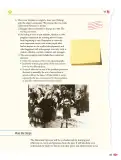
According to your mural timeline, simulate a news program responsible for covering the war events from beginning to end. Remember to relate the most important events, such as the people who had an impact on the conflict's development, and what happened with other groups in society, such as women, children, workers, students, and teenagers.

Respuesta orientativa:

  1. Selecciono los hitos de la línea de tiempo: invasión de Polonia (1939), Batalla de Inglaterra (1940), Operación Barbarroja (1941), Pearl Harbor (1941), Stalingrado (1942-1943), Día D (1944), rendición de Alemania (1945), bombas atómicas (1945).
  2. Identifico personajes clave: Adolf Hitler, Winston Churchill, Franklin D. Roosevelt, Iósif Stalin, Benito Mussolini, Ana Frank.
  3. Incorporo la voz de grupos sociales: mujeres en fábricas y resistencia, niños evacuados, trabajadores forzados, estudiantes y adolescentes en movimientos de resistencia.
  4. Guion radiofónico o televisivo con introducción, desarrollo cronológico y cierre.
Respuesta

Guion de noticiero histórico que cubre la Segunda Guerra Mundial de 1939 a 1945, integrando líderes y grupos sociales afectados.

c
Parte 2.c

The news program must include three important elements:

  • Order the narration of the events chronologically.
  • Interviews with the population of the time to learn how the war affected them.
  • A critical reflection on one of the problems previously discussed in assembly: the role of nationalism in armed conflicts, the impact of false beliefs in racial superiority, the war consequences for the population, or any other adverse situation you have found.

Respuesta orientativa:

  1. Orden cronológico: estructuro el noticiero en bloques por año (1939-1940, 1941-1942, 1943-1944, 1945).
  2. Entrevistas simuladas: redacto preguntas y respuestas para una enfermera, un soldado, una madre evacuada, un estudiante de la resistencia y un trabajador de fábrica.
  3. Reflexión crítica: analizo cómo el nacionalismo extremo y las creencias de superioridad racial justificaron la violencia y el genocidio; concluyo que la paz se construye con respeto a la diversidad y los derechos humanos.

Plan the Steps

The Historical Newscast will be a valuable tool for learning and reflecting on events and processes from the past. It will also help us to understand the world we live in and value peace and achievements so far.

Respuesta orientativa: El noticiero histórico permite comprender el pasado desde múltiples voces, desarrollar pensamiento crítico y valorar la paz como logro colectivo.

Respuesta

Noticiero con narración cronológica, entrevistas a civiles y militares, y reflexión crítica sobre nacionalismo, racismo y consecuencias de la guerra.


Contenido de la página

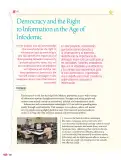
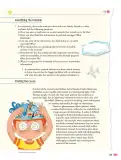
  1. Once your timeline is complete, share your findings with the school community. We propose that you make a Historical Newscast to do this.

a) Imagine that you traveled to Europe in 1939. The war has just burst!

b) According to your mural timeline, simulate a news program responsible for covering the war events from beginning to end. Remember to relate the most important events, such as the people who had an impact on the conflict's development, and what happened with other groups in society, such as women, children, workers, students, and teenagers.

c) The news program must include three important elements:

  • Order the narration of the events chronologically.
  • Interviews with the population of the time to learn how the war affected them.
  • A critical reflection on one of the problems previously discussed in assembly: the role of nationalism in armed conflicts, the impact of false beliefs in racial superiority, the war consequences for the population, or any other adverse situation you have found.

Plan the Steps

The Historical Newscast will be a valuable tool for learning and reflecting on events and processes from the past. It will also help us to understand the world we live in and value peace and achievements so far.

Tabla

Año Evento clave Personajes Grupos sociales afectados
1939 Invasión de Polonia Hitler Civiles, soldados
1940 Batalla de Inglaterra Churchill Mujeres en fábricas, niños evacuados
1941 Operación Barbarroja / Pearl Harbor Stalin, Roosevelt Trabajadores, estudiantes
1942-1943 Batalla de Stalingrado Stalin Población civil, adolescentes
1944 Día D Eisenhower Soldados, enfermeras
1945 Rendición y bombas atómicas Truman Población japonesa, mundo entero

Diagrama

timeline
    title Línea de tiempo de la Segunda Guerra Mundial
    1939 : Invasión de Polonia
    1940 : Batalla de Inglaterra
    1941 : Operación Barbarroja y Pearl Harbor
    1942 : Batalla de Stalingrado
    1944 : Día D
    1945 : Rendición de Alemania y bombas atómicas

Glosario (4)

Historical Newscast
Noticiero histórico; programa informativo que relata eventos del pasado como si ocurrieran en el presente.
Timeline
Línea de tiempo; representación gráfica de eventos ordenados cronológicamente.
Nationalism
Nacionalismo; ideología que exalta la identidad y superioridad de una nación sobre otras.
Racial superiority
Superioridad racial; creencia falsa de que una raza es superior a otra.

Preguntas para practicar

¿Por qué es importante ordenar cronológicamente los eventos en un noticiero histórico?

Porque permite comprender causas y consecuencias de los hechos, evitar anacronismos y construir una narrativa coherente que facilite el aprendizaje del pasado.

¿Cómo el nacionalismo extremo contribuyó al estallido de la Segunda Guerra Mundial?

El nacionalismo extremo justificó la expansión territorial, la militarización y la discriminación de otros pueblos, creando tensiones que desembocaron en el conflicto armado.

Temas y conceptos clave

Segunda Guerra MundialNoticiero históricoReflexión crítica sobre conflictos armadosCronologíaEntrevistaNacionalismoSuperioridad racialConsecuencias de la guerra
¿Te fue útil esta página?

Figuras de la página (3)

Sello postal con líneas onduladas rojas.
Figura 1 image
Nota adhesiva amarilla en blanco.
Figura 2 image
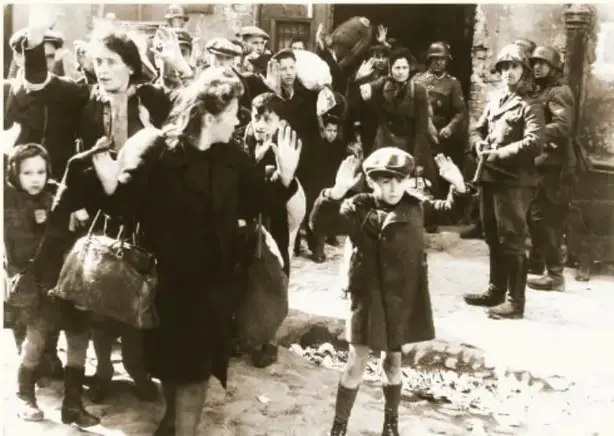
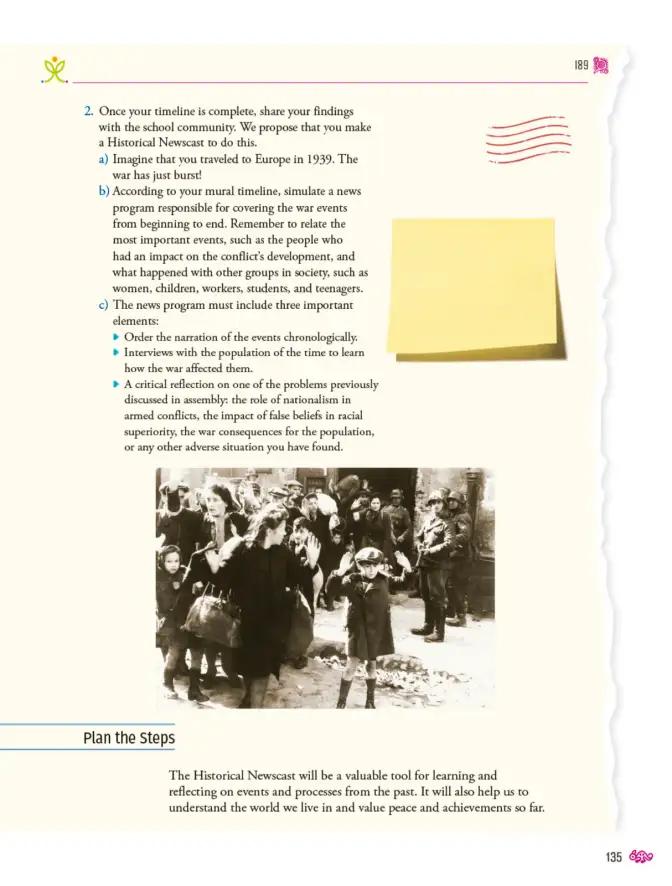
Fotografía histórica en blanco y negro de civiles y soldados durante la Segunda Guerra Mundial.
Figura 3 image

Preguntas que la gente también hace

¿Cómo hacer un noticiero histórico escolar?
Consulta la solución completa arriba o explora el libro entero para temas relacionados.
¿Qué eventos clave debe incluir una línea de tiempo de la Segunda Guerra Mundial?
Consulta la solución completa arriba o explora el libro entero para temas relacionados.
¿Cómo afectó la Segunda Guerra Mundial a mujeres, niños y trabajadores?
Consulta la solución completa arriba o explora el libro entero para temas relacionados.
📌 Antes de leer esto
  • • Conocer los antecedentes y causas de la Segunda Guerra Mundial
  • • Manejar el concepto de línea de tiempo
  • • Identificar grupos sociales y su papel en conflictos armados
Siguiente tema sugerido
Consecuencias de la Segunda Guerra Mundial y creación de la ONU
📝 Transcripción de la página (texto seleccionable) 1378 caracteres
  1. Once your timeline is complete, share your findings with the school community. We propose that you make a Historical Newscast to do this.

a) Imagine that you traveled to Europe in 1939. The war has just burst!

b) According to your mural timeline, simulate a news program responsible for covering the war events from beginning to end. Remember to relate the most important events, such as the people who had an impact on the conflict's development, and what happened with other groups in society, such as women, children, workers, students, and teenagers.

c) The news program must include three important elements:

Order the narration of the events chronologically.

Interviews with the population of the time to learn how the war affected them.

A critical reflection on one of the problems previously discussed in assembly: the role of nationalism in armed conflicts, the impact of false beliefs in racial superiority, the war consequences for the population,or any other adverse situation you have found.

Plan the Steps

The Historical Newscast will be a valuable tool for learning and reflecting on events and processes from the past. It will also help us to understand the world we live in and value peace and achievements so far.

災

189

![](page=0,bbox=[875, 205, 1034, 296])

![](page=0,bbox=[702, 391, 1024, 649])

![](page=0,bbox=[278, 841, 892, 1277])

135

Ad

Otros libros recomendados

Ver todos →
Ad

Usamos cookies propias y de terceros para personalizar contenido, mostrar publicidad y analizar el tráfico. Las cookies necesarias siempre están activas.