













Saltar al contenido
MisLibrosTexto
Ad

Proyecto: investigación y línea de tiempo de la Segunda Guerra Mundial

📄 ejercicios historia 🎓 otro · 3° TELESECUNDARIA México 🇲🇽 MX 🗣 Español
Página 135
135 de 187
Página 135 de Uérakua anapu uantakua. Projects and Readings.  Libro de Educación Telesecundaria Grado 3°  Ciclo Escolar 2025 - 2026
Anterior Página 135 / 187 Siguiente

Respuesta rápida

Plan de investigación con fuentes confiables, fichas de resumen, respuestas a las preguntas guía (causas, desarrollo, batallas, tecnología, fin y consecuencias) y línea de tiempo mural de la Segunda Guerra Mundial.

📚 exercise historia ⭐⭐ Dificultad 2/5 ⏱ 8 min lectura

Solución — Página 135

Uérakua anapu uantakua. Projects and Readings. Libro de Educación Telesecundaria Grado 3° Ciclo Escolar 2025 - 2026

1
Ejercicio 1

In communities, investigate the events that led to the beginning, development, and end of the Second World War. Organize a research plan.

  1. Delimitar el tema: causas, desarrollo y fin de la Segunda Guerra Mundial (1939-1945).
  2. Definir un cronograma de tres sesiones: sesión 1 para causas, sesión 2 para desarrollo y batallas clave, sesión 3 para fin y consecuencias.
  3. Repartir tareas en el equipo: búsqueda en fuentes, redacción de fichas y revisión final.
a
Parte 1.a

Consult reliable and trustworthy sources.

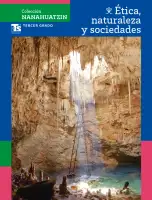
  1. Fuentes impresas: libro Colección Nanahuatzin. Ética, naturaleza y sociedades. Tercer Grado, biblioteca escolar y biblioteca pública.
  2. Fuentes digitales: sitios de museos, enciclopedias y archivos históricos verificados.
  3. Con apoyo del docente, contrastar al menos dos fuentes por dato para validar la información.
Respuesta

plan de investigación con fuentes impresas y digitales confiables, contrastadas entre sí.

b
Parte 1.b

Prepare summary cards with the complete data of the consulted sources.

  1. Cada ficha debe incluir: autor, título, año, editorial o URL y fecha de consulta.
  2. En el cuerpo de la ficha se anota la idea principal y una cita textual breve.
  3. Se ordenan las fichas por fecha del acontecimiento para facilitar la línea de tiempo.
Respuesta

fichas de resumen con datos completos de la fuente e información clave del hecho.
2
Ejercicio 2

Use the following questions as a guide for your research.

a
Parte 2.a

How did the conflict start? Which countries were implicated?

  1. El detonante inmediato fue la invasión alemana a Polonia el 1 de septiembre de 1939.
  2. Reino Unido y Francia declararon la guerra a Alemania el 3 de septiembre de 1939.
  3. Se enfrentaron las Potencias del Eje (Alemania, Italia, Japón) contra los Aliados (Reino Unido, Francia, URSS, EE. UU., China, entre otros).
Respuesta

inició con la invasión a Polonia; Eje contra Aliados.

b
Parte 2.b

How did the conflict develop?

  1. Entre 1939 y 1941 Alemania ocupó gran parte de Europa mediante la guerra relámpago.
  2. En 1941 Alemania invadió la URSS y Japón atacó Pearl Harbor, lo que llevó a EE. UU. a la guerra.
  3. Desde 1943 los Aliados pasaron a la ofensiva hasta la rendición alemana en mayo de 1945 y la japonesa en septiembre de 1945.
Respuesta

expansión del Eje, entrada de URSS y EE. UU., y contraofensiva aliada.

c
Parte 2.c

What is the date and location of three battles, and why were those battles important?

  1. Batalla de Inglaterra (julio-octubre de 1940, Reino Unido): primera derrota aérea de Alemania.
  2. Batalla de Stalingrado (agosto de 1942-febrero de 1943, URSS): marcó el giro de la guerra en Europa.
  3. Batalla de Midway (junio de 1942, océano Pacífico): frenó la expansión japonesa.
Respuesta

Inglaterra 1940, Stalingrado 1942-1943 y Midway 1942; cambiaron el rumbo de la guerra.

d
Parte 2.d

What was the role of technology and innovation during the Second World War?

  1. Se desarrollaron radares, sonares y aviones a reacción.
  2. La criptografía (máquina Enigma) y las computadoras primitivas aceleraron la comunicación militar.
  3. La energía nuclear culminó en las bombas atómicas de Hiroshima y Nagasaki.
Respuesta

la tecnología fue decisiva en el dominio aéreo, naval y nuclear.

e
Parte 2.e

Why did the Second World War end?

  1. Alemania se rindió el 8 de mayo de 1945 tras la caída de Berlín.
  2. Japón se rindió el 2 de septiembre de 1945 tras las bombas atómicas y la entrada de la URSS en la guerra.
  3. El agotamiento económico y militar del Eje hizo imposible continuar el conflicto.
Respuesta

rendición de Alemania y Japón en 1945.

f
Parte 2.f

What consequences did this war have for European societies? And for non-European societies?

  1. En Europa: destrucción material, millones de muertos, división en bloques y creación de la ONU.
  2. En sociedades no europeas: procesos de descolonización en Asia y África y mayor influencia de EE. UU. y la URSS.
  3. En América Latina: crecimiento económico por sustitución de importaciones y migraciones.
Respuesta

devastación y división en Europa; descolonización y nuevo orden bipolar en el mundo.

3
Ejercicio 3

In community, present what you found and reflect on the following.

a
Parte 3.a

What is the role of nationalism in international conflicts?

  1. El nacionalismo exaltado justifica la superioridad de una nación sobre otras.
  2. Puede llevar a la invasión, la discriminación y la violación de derechos humanos.
  3. Un nacionalismo cívico, basado en la ley y el respeto, puede convivir con la cooperación internacional.

Respuesta orientativa: el nacionalismo extremo es una causa frecuente de conflictos; el respeto a la diversidad y al derecho internacional los previene.

b
Parte 3.b

Do you think the Second World War has consequences in the present? Why?

  1. El orden mundial actual (ONU, bloques económicos) surgió de la posguerra.
  2. Persisten conflictos armados como el de Ucrania y Rusia, herederos de tensiones históricas.
  3. Los derechos humanos y la memoria histórica se consolidaron como respuesta a los horrores de la guerra.

Respuesta orientativa: sí, porque el mapa político, las instituciones internacionales y muchos conflictos actuales tienen raíz en la Segunda Guerra Mundial.

Ad
4
Ejercicio 4

Write the events you found in your cards. You will use them in the next stage.

  1. Registrar cada hecho con fecha, lugar, protagonistas y consecuencia.
  2. Ordenar las fichas cronológicamente.
  3. Conservarlas para la línea de tiempo mural.

Action Proposals

  1. In assembly, present the events in order and create a mural-sized timeline with the main events of the Second World War.

  2. Seleccionar entre 10 y 15 hechos principales (1939-1945).

  3. Trazar una línea horizontal o vertical en el mural y marcar cada fecha.

  4. Colocar cada hecho en su punto con una breve descripción y conectar con líneas que indiquen duración.

Respuesta orientativa: línea de tiempo mural con los hechos ordenados cronológicamente y conectados según su duración.

Respuesta

fichas cronológicas listas para la siguiente etapa.

Contenido de la página

  1. In communities, investigate the events that led to the beginning, development, and end of the Second World War. Organize a research plan. To do this, we suggest the following:

a) Consult reliable and trustworthy sources such as the book Colección Nanahuatzin. Ética, naturaleza y sociedades. Tercer Grado, the School Library or public library, electronic sources such as the internet, or, with the help of your teacher, review other available sources.

b) Prepare summary cards with the complete data of the consulted sources, as well as the most important information.

  1. Use the following questions as a guide for your research:

a) How did the conflict start? Which countries were implicated?

b) How did the conflict develop?

c) What is the date and location of three battles, and why were those battles important?

d) What was the role of technology and innovation during the Second World War?

e) Why did the Second World War end?

f) What consequences did this war have for European societies? And for non-European societies?

  1. In community, present what you found and reflect on the following:

a) What is the role of nationalism in international conflicts?

b) Do you think the Second World War has consequences in the present? Why?

  1. Write the events you found in your cards. You will use them in the next stage.

Action Proposals

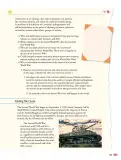
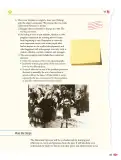
The Second World War left an indelible mark on human history. Although we might think that wars are in the past, there are still armed conflicts between different nations and groups, as seen in the case of Ukraine and Russia. It demonstrates the importance of reflecting on the horrors of war and the dangers of hatred and intolerance. Learning from the past allows us to understand the devastating consequences of conflicts and encourages us to work for peace, tolerance, and respect.

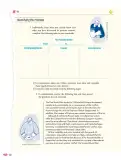
  1. In assembly, present the events in order and create a mural-sized timeline with the main events of the Second World War.

Remember that a timeline is a graphic representation of events and historical processes organized sequentially along a horizontal or a vertical line. Each event is placed at a specific point and connected with lines indicating the date and duration.

Diagrama

timeline
    title Línea de tiempo de la Segunda Guerra Mundial
    1939 : Invasión alemana a Polonia
         : Reino Unido y Francia declaran la guerra
    1940 : Batalla de Inglaterra
    1941 : Invasión alemana a la URSS
         : Ataque japonés a Pearl Harbor
    1942 : Batalla de Midway
    1942-1943 : Batalla de Stalingrado
    1944 : Desembarco de Normandía
    1945 : Rendición de Alemania (8 de mayo)
         : Bombas atómicas en Hiroshima y Nagasaki
         : Rendición de Japón (2 de septiembre)

Glosario (4)

Segunda Guerra Mundial
Conflicto armado global ocurrido entre 1939 y 1945.
Nacionalismo
Ideología que exalta la identidad y superioridad de una nación.
Línea de tiempo
Representación gráfica de hechos ordenados cronológicamente.
Ficha de resumen
Tarjeta con los datos de una fuente y sus ideas principales.

Preguntas para practicar

What is the role of nationalism in international conflicts?

El nacionalismo exaltado puede justificar la agresión y la intolerancia; un nacionalismo cívico basado en el respeto y el derecho internacional favorece la convivencia pacífica.

Do you think the Second World War has consequences in the present? Why?

Sí, porque de ella surgieron la ONU, el orden bipolar y muchos conflictos actuales como el de Ucrania y Rusia; también dejó lecciones sobre derechos humanos y memoria histórica.

Temas y conceptos clave

Segunda Guerra MundialInvestigación históricaLínea de tiempoCausas del conflictoPotencias del Eje y AliadosBatallas decisivasTecnología bélicaConsecuencias socialesNacionalismo

Fuentes y referencias

  • Colección Nanahuatzin. Ética, naturaleza y sociedades. Tercer Grado
  • Biblioteca escolar o pública
  • Fuentes electrónicas confiables de internet
¿Te fue útil esta página?

Figuras de la página (2)

Ilustración de un avión de combate en tonos claros.
Figura 1 image
Sello postal circular con líneas de movimiento.
Figura 2 image

Preguntas que la gente también hace

¿Cómo inició la Segunda Guerra Mundial y qué países participaron?
Consulta la solución completa arriba o explora el libro entero para temas relacionados.
¿Cuáles fueron las batallas más importantes de la Segunda Guerra Mundial?
Consulta la solución completa arriba o explora el libro entero para temas relacionados.
¿Qué consecuencias dejó la Segunda Guerra Mundial en el mundo actual?
Consulta la solución completa arriba o explora el libro entero para temas relacionados.
📌 Antes de leer esto
  • • Conocer el concepto de conflicto armado
  • • Identificar causas y consecuencias históricas
  • • Manejar nociones básicas de cronología
Siguiente tema sugerido
El orden mundial de la posguerra y la creación de la ONU
📝 Transcripción de la página (texto seleccionable) 2309 caracteres
  1. In communities, investigate the events that led to the beginning,development, and end of the Second World War. Organize a research plan. To do this, we suggest the following:

a) Consult reliable and trustworthy sources such as the book Colección Nanahuatzin. Etica, naturaleza y sociedades. Tercer Grado, the School Library or public library, electronic sources such as the internet, or,with the help of your teacher, review other available sources.

b) Prepare summary cards with the complete data of the consulted sources, as well as the most important information.

  1. Use the following questions as a guide for your research:

a) How did the conflict start? Which countries were implicated?

b) How did the conflict develop?

c) What is the date and location of three battles, and why were those battles important?

d) What was the role of technology and innovation during the Second World War?

e) Why did the Second World War end?

f) What consequences did this war have for European societies? And for non-European societies?

  1. In community, present what you found and reflect on the following:

a) What is the role of nationalism in international conflicts?

b) Do you think the Second World War has consequences in the present? Why?

  1. Write the events you found in your cards. You will use them in the next stage.

Action Proposals

The Second World War left an indelible mark on human history.Although we might think that wars are in the past, there are still armed conflicts between different nations and groups, as seen in the case of Ukraine and Russia. It demonstrates the importance of reflecting on the horrors of war and the dangers of hatred and intolerance. Learning from the past allows us to understand the devastating consequences of conflicts and encourages us to work for peace, tolerance, and respect.

  1. In assembly, present the events in order and create a mural-sized timeline with the main events of the Second World War.

Remember that a timeline is a graphic representation of events and historical processes organized sequentially along a horizontal or a vertical line. Each event is placed at a specific point and connected with lines indicating the date and duration.

188

災

![](page=0,bbox=[893, 260, 1025, 396])

![](page=0,bbox=[89, 1301, 293, 1413])

乐

134

Ad

Otros libros recomendados

Ver todos →
Ad

Usamos cookies propias y de terceros para personalizar contenido, mostrar publicidad y analizar el tráfico. Las cookies necesarias siempre están activas.