






Página — Uerakua Anapu Uantakua Projects And Readings 3 (pág. 138)
Solución no disponible aún
Esta página está en proceso de revisión.
Pídela y la resolveremos antes. Sin registro.
📝 Transcripción de la página (texto seleccionable) 2040 caracteres
災
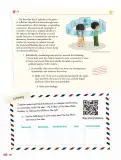
- After presenting your newscast, it is time to dialogue with the community. To do this, organize a round table in which you can talk about questions such as:
a) Has the community ever faced a conflict that harmed or changed their lives? How did they solve it? What did they learn from it?
b) What can be done to promote peace and non-violence?
c) What actions can be taken as a community to support groups or people in conflict situations?
Appreciating My Path
Now that the newscast is over and the Second World War is over too, look at your progress.
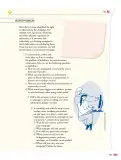
- Individually, write a page based on what you learned in this project.Then, read it in assembly and reflect together on the following:
a) Who are the most affected by armed conflicts, and why?
b) Are beliefs and processes that triggered the Second World War still in force? If so, what problems persist?
c) What is the importance of creating peaceful societies that respect the rights of all human beings?
d) Can such societies be created from the school, the community,or the family? How?
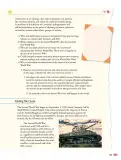
like to share with the school community. Past events often have consequences in the present, and it is very important to reflect on them to build more peaceful societies that respect human rights.
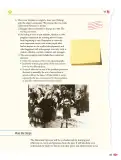
- Reach agreements to spread the importance of a culture of peace and mutual understanding. Some strategies could be:a) Reading circles based on stories, poems, novels, manifestos,or other texts in which the central theme is peace,non-violence, and healthy coexistence.
b) Popular theater and performances with representations whose central theme is the construction of peace, and that promote a healthy coexistence.
c) Murals in the streets to express your opinion about violence and wars.
- Finally, write in your notebooks the assembly agreements reached by the community to move towards a more peaceful world and avoid armed conflicts. &


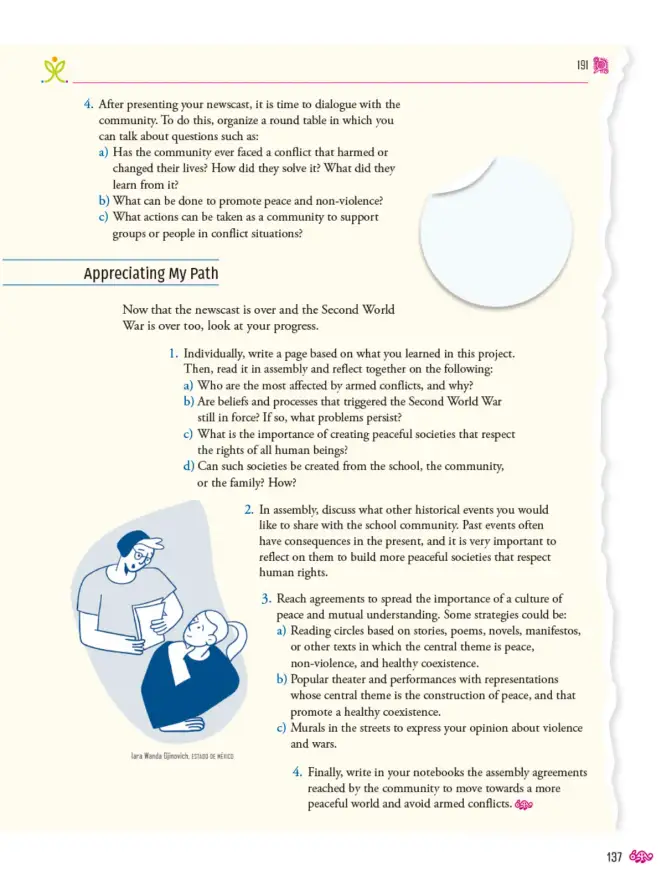
lara Wanda Gjinovich, ESTAoo DE WExIco
191
137
Otros libros recomendados

Colección Nanahuatzin. De lo humano y lo comunitario. Libro de Educación Telesecundaria Grado 3° Ciclo Escolar 2025 - 2026
SEP/CONALITEG
259 págs.

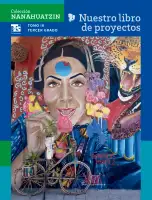
Colección Nanahuatzin. Nuestro libro de Proyectos. Tomo II. Libro de Educación Telesecundaria Grado 3° Ciclo Escolar 2025 - 2026
SEP/CONALITEG
275 págs.

Colección Nanahuatzin. Saberes y pensamiento científico. Libro de Educación Telesecundaria Grado 3° Ciclo Escolar 2025 - 2026
SEP/CONALITEG
339 págs.

Colección Nanahuatzin. Nuestro libro de Proyectos. Tomo I. Libro de Educación Telesecundaria Grado 3° Ciclo Escolar 2025 - 2026
SEP/CONALITEG
299 págs.

Colección Nanahuatzin. Nuestro libro de Proyectos. Tomo III. Libro de Educación Telesecundaria Grado 3° Ciclo Escolar 2025 - 2026
SEP/CONALITEG
291 págs.

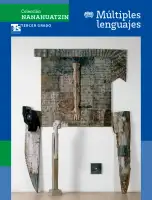
Colección Nanahuatzin. Múltiples lenguajes. Libro de Educación Telesecundaria Grado 3° Ciclo Escolar 2025 - 2026
SEP/CONALITEG
163 págs.

Uérakua anapu uantakua. Projects and Readings. Libro de Educación Telesecundaria Grado 2° Ciclo Escolar 2025 - 2026
SEP/CONALITEG
171 págs.

Uérakua anapu uantakua. Projects and Readings. Libro de Educación Telesecundaria Grado 1° Ciclo Escolar 2025 - 2026
SEP/CONALITEG
187 págs.