
















Saltar al contenido
MisLibrosTexto
Ad

Reported Speech Practice and Data Analysis: Basketball Teams

📄 ejercicios ingles 🎓 otro · 3° TELESECUNDARIA México 🇲🇽 MX 🗣 Español
Página 169
169 de 187
Página 169 de Uérakua anapu uantakua. Projects and Readings.  Libro de Educación Telesecundaria Grado 3°  Ciclo Escolar 2025 - 2026
Anterior Página 169 / 187 Siguiente

Respuesta rápida

  1. Reported speech: Sophia said it was great; Alan said he was sorry; Patrick said he was glad; the teacher exclaimed congratulations; mom said she was happy; dad exclaimed surprise; Marie said it sounded awful; Grandpa mentioned it sounded great; Susan said it was a pity; Tom agreed. 2. Opinión reportada por un compañero. Where We Are Headed: verificar la fuente y el contrato. That's the Question: suma de edades 75 por equipo, 150 en total, promedio 15.
📚 exercise ingles ⭐⭐ Dificultad 2/5 ⏱ 12 min lectura

Solución — Página 169

Uérakua anapu uantakua. Projects and Readings. Libro de Educación Telesecundaria Grado 3° Ciclo Escolar 2025 - 2026

1
Ejercicio 1

In pairs, practice using reported speech. If it is necessary, write the key words in your notebook. Take a look at the example: Ana said, "That's too bad." → Ana said that it was too bad.

Transforma cada frase directa a discurso reportado. Se ajustan pronombres, tiempos verbales y expresiones de tiempo según corresponda.

a
Parte 1.a

Sophia said, "That's great." / "That's great news."

  1. Identifico el verbo introductorio: said (pasado).
  2. Cambio el presente is por pasado was.
  3. Ajusto el demostrativo that y mantengo el significado.
Respuesta

Sophia said that it was great. / Sophia said that it was great news.

b
Parte 1.b

Alan said, "I'm sorry to hear that."

  1. Verbo introductorio: said.
  2. El presente am pasa a pasado was.
  3. El pronombre I cambia a he.
Respuesta

Alan said that he was sorry to hear that.

c
Parte 1.c

Patrick said, "I'm glad to hear that."

  1. Verbo introductorio: said.
  2. am → was; I → he.
Respuesta

Patrick said that he was glad to hear that.

d
Parte 1.d

The teacher exclaimed, "Congratulations!"

  1. Verbo introductorio: exclaimed.
  2. Es una exclamación; se reporta con that o con verbo + objeto.
Respuesta

The teacher exclaimed that we had done a good job. / The teacher exclaimed congratulations.

e
Parte 1.e

My mom said, "I'm happy to hear that."

  1. Verbo introductorio: said.
  2. am → was; I → she.
Respuesta

My mom said that she was happy to hear that.

f
Parte 1.f

Dad said, "Oh no! Really?"

  1. Verbo introductorio: said.
  2. Es una exclamación y una pregunta retórica; se reporta como exclamación.
Respuesta

Dad exclaimed with surprise and asked if it was really true.

g
Parte 1.g

Marie said, "That sounds awful." / "That sounds terrible."

  1. Verbo introductorio: said.
  2. sounds → sounded.
Respuesta

Marie said that it sounded awful. / Marie said that it sounded terrible.

h
Parte 1.h

Grandpa mentioned, "That sounds great." / "That sounds wonderful." / "That sounds fantastic." / "That sounds amazing."

  1. Verbo introductorio: mentioned.
  2. sounds → sounded.
Respuesta

Grandpa mentioned that it sounded great / wonderful / fantastic / amazing.

i
Parte 1.i

Susan said, "That is a pity." / "That's a shame."

  1. Verbo introductorio: said.
  2. is → was.
Respuesta

Susan said that it was a pity. / Susan said that it was a shame.

j
Parte 1.j

Tom said, "Sure." / "Yeah."

  1. Verbo introductorio: said.
  2. Respuesta afirmativa breve; se reporta con agreed o said that.
Respuesta

Tom said that he agreed. / Tom said yes.
2
Ejercicio 2

In communities, practice sharing your opinion about the previous activity. Use reported speech. For example: You say, "It is so complicated!" One of your classmates reports what you said: "He/she exclaimed the exercise was complicated."

Respuesta orientativa: Se espera que cada estudiante exprese su opinión sobre la actividad anterior y que un compañero la reporte usando discurso reportado. Por ejemplo: I said that the exercise was interesting. / My classmate reported that I had said the exercise was complicated.

Where We Are Headed

Telling the difference between what is real and what is not real is getting increasingly difficult nowadays. This can lead to misleading errors, and even the spread of false data. With the information you have until now, what monthly income do you think Ana can expect during the two months of this employment?

Respuesta orientativa: No hay datos suficientes en la página para calcular un ingreso mensual exacto. Se puede responder que Ana debería verificar la fuente de la oferta, pedir el contrato por escrito y comparar el sueldo con el salario mínimo vigente antes de aceptar. La pregunta busca reflexionar sobre la veracidad de la información y el pensamiento crítico.

INQUIRY DESIGN AND DEVELOPMENT — That's the Question!

  1. In communities and respectfully, read the following situation and then answer what is asked.

In Adriana and Carlos's school, there are two basketball teams. One is Los Venados of 1°A and the other is Los Relámpagos of 3°B. Each team has five starting players. The average age of the players of each team is 15 years old.

Respuesta orientativa: La situación presenta dos equipos con cinco jugadores titulares cada uno y un promedio de edad de 15 años. Con esos datos se puede calcular la suma de edades por equipo: 5 \times 15 = 75 años. Si se unen ambos equipos, la suma total es 75 + 75 = 150 años y el promedio general sigue siendo 15 años. La actividad invita a formular preguntas de indagación, por ejemplo: ¿cómo se calcula un promedio?, ¿qué pasaría si un jugador tuviera otra edad?, ¿cómo se compara la edad promedio entre equipos?

Contenido de la página

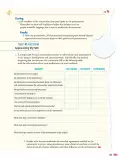
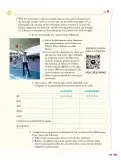
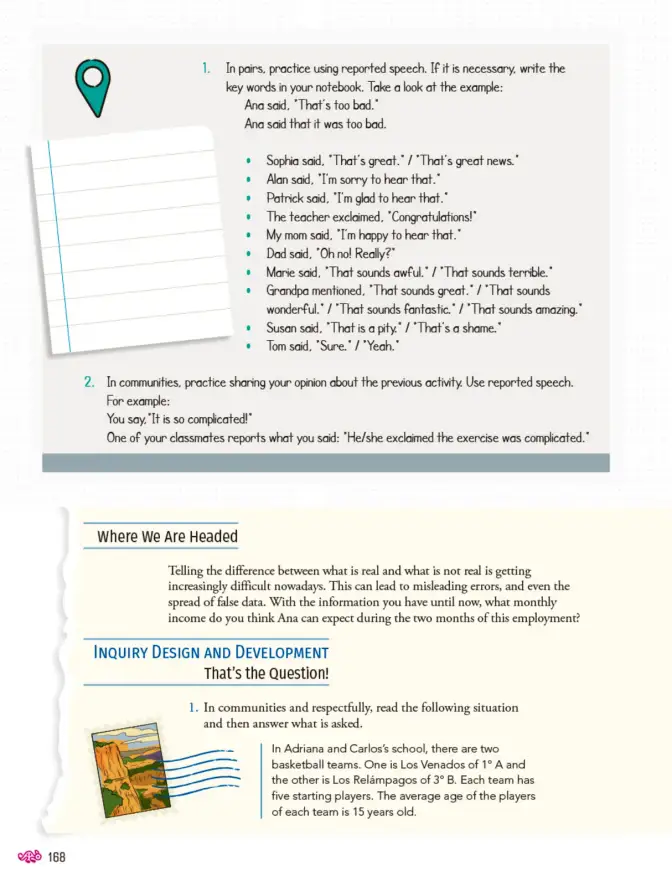
1. In pairs, practice using reported speech. If it is necessary, write the key words in your notebook. Take a look at the example:

Ana said, "That's too bad." Ana said that it was too bad.

  • Sophia said, "That's great." / "That's great news."
  • Alan said, "I'm sorry to hear that."
  • Patrick said, "I'm glad to hear that."
  • The teacher exclaimed, "Congratulations!"
  • My mom said, "I'm happy to hear that."
  • Dad said, "Oh no! Really?"
  • Marie said, "That sounds awful." / "That sounds terrible."
  • Grandpa mentioned, "That sounds great." / "That sounds wonderful." / "That sounds fantastic." / "That sounds amazing."
  • Susan said, "That is a pity." / "That's a shame."
  • Tom said, "Sure." / "Yeah."

2. In communities, practice sharing your opinion about the previous activity. Use reported speech.

For example: You say, "It is so complicated!" One of your classmates reports what you said: "He/she exclaimed the exercise was complicated."

Where We Are Headed

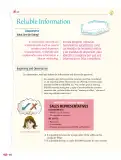
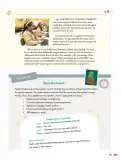
Telling the difference between what is real and what is not real is getting increasingly difficult nowadays. This can lead to misleading errors, and even the spread of false data. With the information you have until now, what monthly income do you think Ana can expect during the two months of this employment?

INQUIRY DESIGN AND DEVELOPMENT

That's the Question!

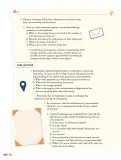
  1. In communities and respectfully, read the following situation and then answer what is asked.

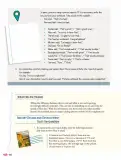
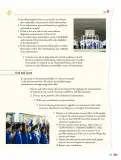
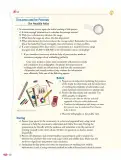
In Adriana and Carlos's school, there are two basketball teams. One is Los Venados of 1°A and the other is Los Relámpagos of 3°B. Each team has five starting players. The average age of the players of each team is 15 years old.

Ejemplos resueltos

Ana said, "That's too bad."

Ana said that it was too bad.

You say, "It is so complicated!"

He/she exclaimed the exercise was complicated.

Tabla

Frase directa Reported speech
Sophia said, "That's great." Sophia said that it was great.
Alan said, "I'm sorry to hear that." Alan said that he was sorry to hear that.
Patrick said, "I'm glad to hear that." Patrick said that he was glad to hear that.
The teacher exclaimed, "Congratulations!" The teacher exclaimed that we had done a good job.
My mom said, "I'm happy to hear that." My mom said that she was happy to hear that.
Dad said, "Oh no! Really?" Dad exclaimed with surprise and asked if it was really true.
Marie said, "That sounds awful." Marie said that it sounded awful.
Grandpa mentioned, "That sounds great." Grandpa mentioned that it sounded great.
Susan said, "That is a pity." Susan said that it was a pity.
Tom said, "Sure." Tom said that he agreed.

Diagrama

graph TD
A[Reported Speech] --> B[Cambio de tiempo verbal]
A --> C[Cambio de pronombres]
A --> D[Expresiones de tiempo]
E[Promedio] --> F[Suma de datos]
E --> G[Dividir entre número de datos]

Fórmulas y ecuaciones

\text{Promedio} = \frac{\text{suma de edades}}{\text{número de jugadores}}

5 \times 15 = 75

75 + 75 = 150

\frac{150}{10} = 15

Glosario (5)

reported speech
Discurso reportado; forma de contar lo que alguien dijo sin usar sus palabras exactas.
exclaimed
Exclamó; verbo introductorio para expresiones con emoción.
average
Promedio; resultado de sumar valores y dividir entre el número de datos.
starting players
Jugadores titulares; los que inician el partido.
misleading
Engañoso; que puede llevar a error.

Preguntas para practicar

What monthly income do you think Ana can expect during the two months of this employment?

No hay datos suficientes en la página para calcular un ingreso mensual exacto. Se recomienda verificar la fuente de la oferta, pedir el contrato por escrito y comparar el sueldo con el salario mínimo vigente antes de aceptar.

What questions can you ask about the basketball teams' data?

Se pueden preguntar cosas como: ¿cuál es la suma de edades de cada equipo?, ¿qué pasaría si un jugador tuviera otra edad?, ¿cómo se compara la edad promedio entre Los Venados y Los Relámpagos?, ¿cómo se calcula un promedio?

Temas y conceptos clave

Reported speechExpresiones de opiniónPromedio de edadesIndagación y pensamiento críticoDiscurso directo vs. discurso reportadoCambios de tiempo verbalCambios de pronombresPromedio aritméticoVerificación de información
¿Te fue útil esta página?

Preguntas que la gente también hace

¿Cómo se cambia el presente al pasado en reported speech?
Consulta la solución completa arriba o explora el libro entero para temas relacionados.
¿Cómo se calcula el promedio de edad de un equipo?
Consulta la solución completa arriba o explora el libro entero para temas relacionados.
¿Qué preguntas de indagación puedo hacer sobre los datos de un equipo?
Consulta la solución completa arriba o explora el libro entero para temas relacionados.
📌 Antes de leer esto
  • • Uso del presente simple y pasado simple en inglés
  • • Pronombres personales y posesivos
  • • Concepto de promedio o media aritmética
Siguiente tema sugerido
Reported speech con preguntas y órdenes; análisis de datos y medidas de tendencia central
📝 Transcripción de la página (texto seleccionable) 1625 caracteres
  1. In pairs, practice using reported speech. If it is necessary, write the key words in your notebook. Take a look at the example:Ana said, "That's too bad." Ana said that it was too bad.

Sophia said, "That's great."/ "That's great news."Alan said, "I'm sorry to hear that."Patrick said,"I'm glad to hear that."The teacher exclaimed,"Congratulations!"My mom said, "I'm happy to hear that."Dad said,"Oh no! Really?"Marie said,"That sounds awful."/"That sounds terrible."Grandpa mentioned,"That sounds great."/ 'That sounds wonderful."/"That sounds fantastic."/"That sounds amazing. Susan said, "That is a pity."/'That's a shame."Tom said,"Sure."/"Yeah."

  1. In communities, practice sharing your opinion about the previous activity. Use reported speech.For example:You say,"It is so complicated!"One of your classmates reports what you said:"He/she exclaimed the exercise was complicated."

Where We Are Headed

Telling the difference between what is real and what is not real is getting increasingly difficult nowadays. This can lead to misleading errors, and even the spread of false data. With the information you have until now, what monthly income do you think Ana can expect during the two months of this employment?

INQUIRY DESIGN AND DEVELOPMENT That's the Question!

  1. In communities and respectfully, read the following situation

In Adriana and Carlos's school, there are two basketball teams. One is Los Venados of 1°A and the other is Los Relámpagos of 3°B. Each team has five starting players. The average age of the players of each team is 15 years old.

![](page=0,bbox=[160, 1293, 435, 1480])

乐

168

Ad

Otros libros recomendados

Ver todos →
Ad

Usamos cookies propias y de terceros para personalizar contenido, mostrar publicidad y analizar el tráfico. Las cookies necesarias siempre están activas.