S AND Z SOUNDS
English has both voiceless "s" and voiced "z" sounds, which may not exist in some learners' native languages. The distinction between them is important for word meaning, e.g., "sip" vs. "zip."
"S" SOUND
The "s" sound is like a soft, hissing sound. When you say words with "s," your vocal cords don't vibrate; they stay still.
To make this sound, place your tongue close to the roof of your mouth (but don't touch it). Then, gently blow air out between your tongue and the roof of your mouth.
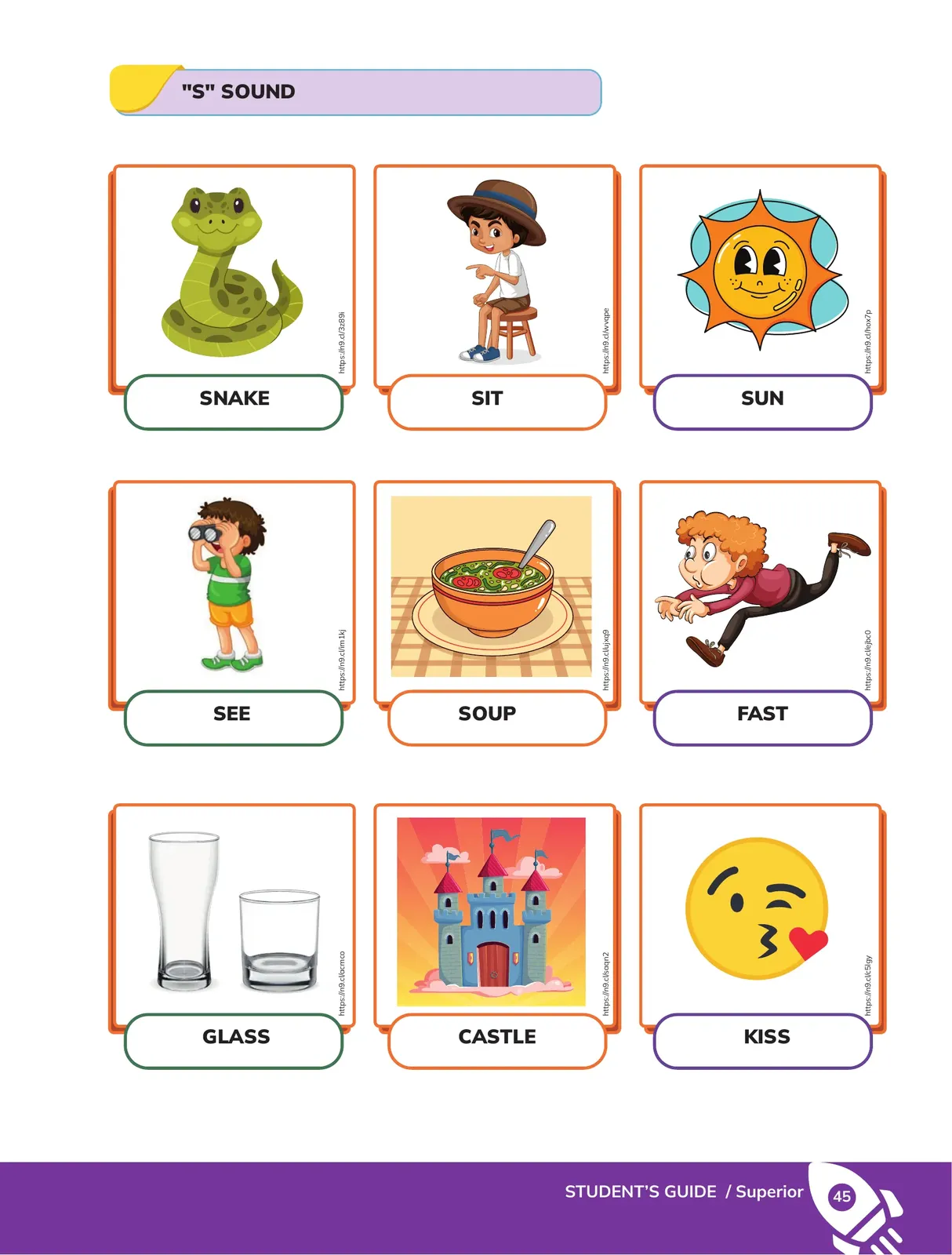
"S" SOUND EXAMPLES:
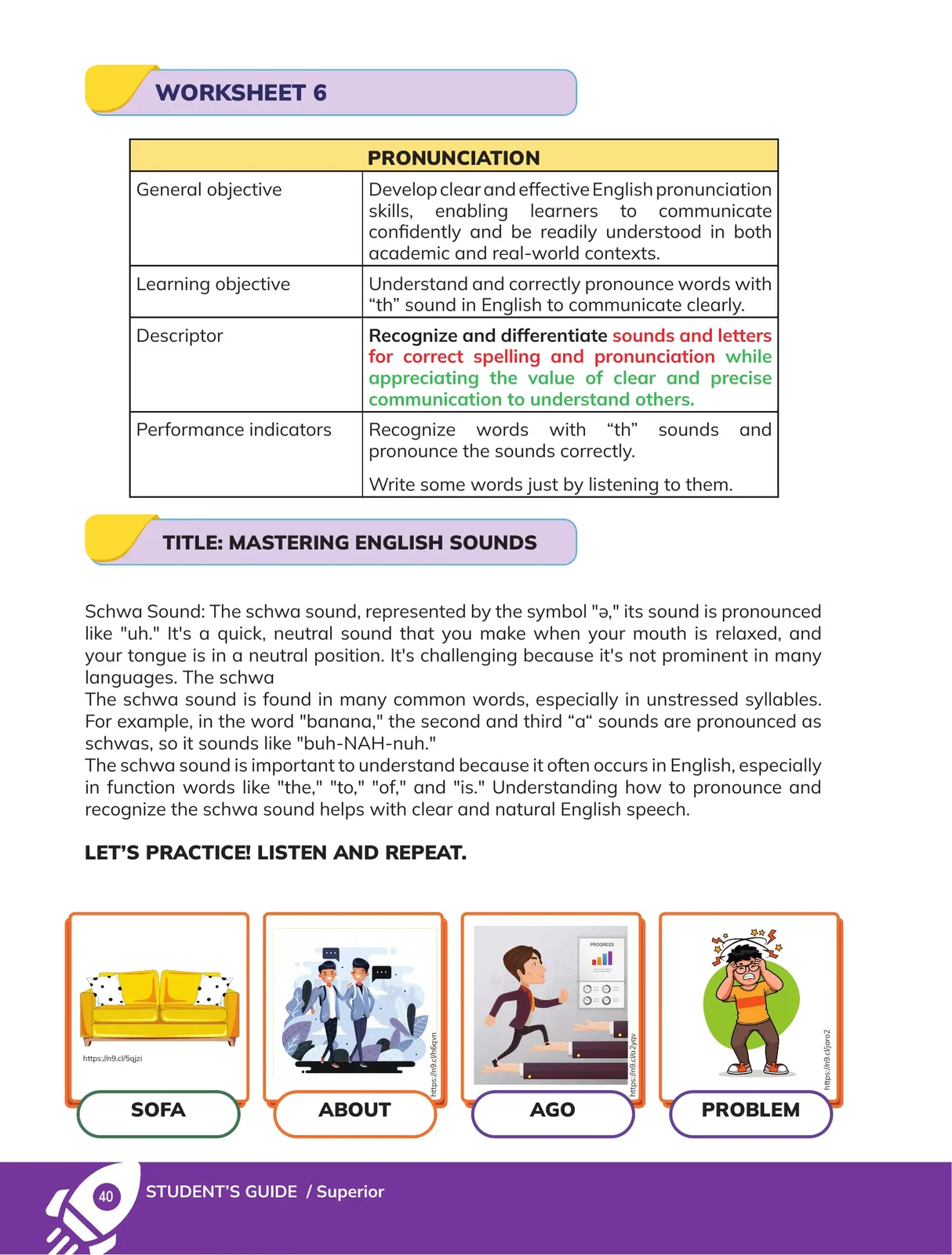
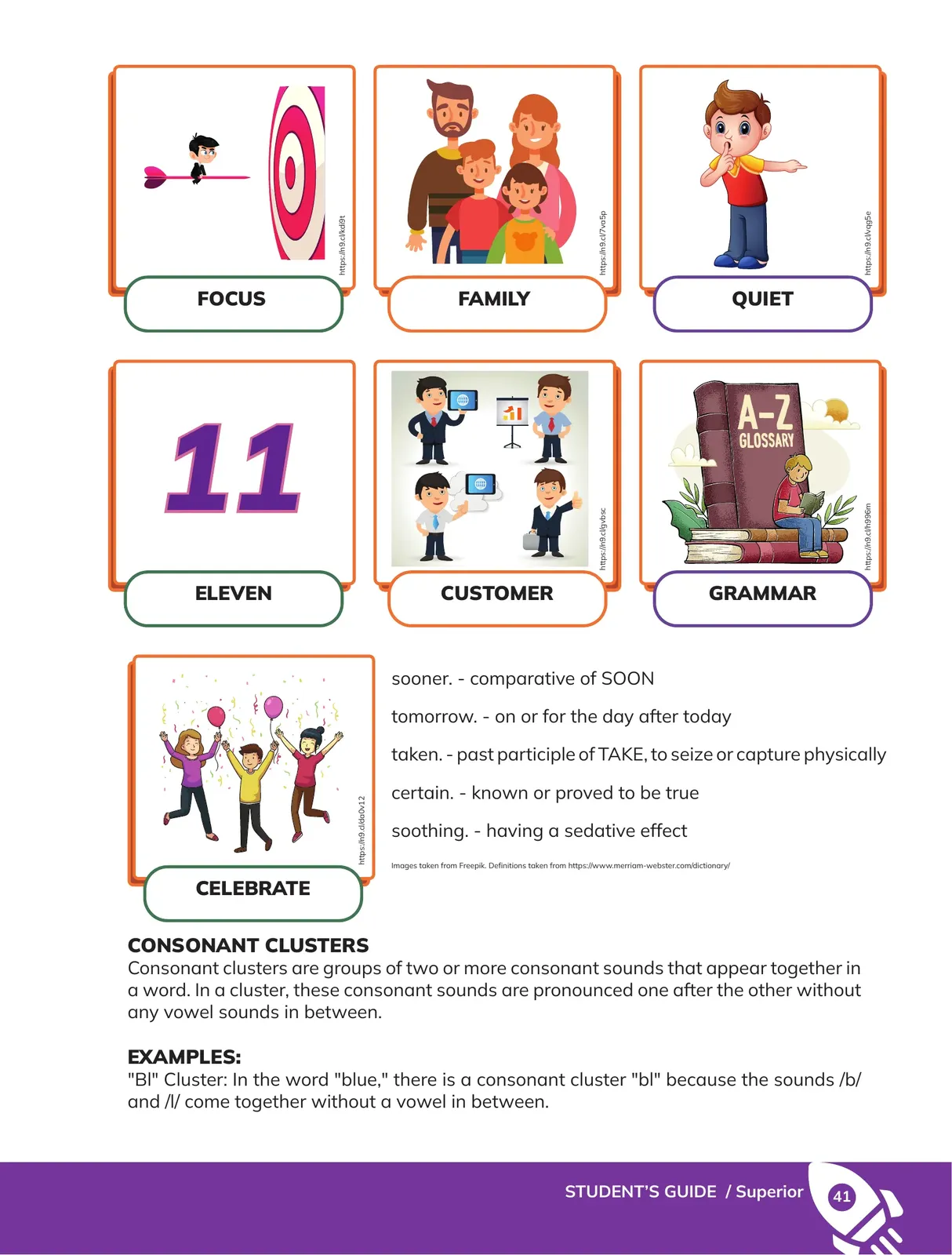
- snake
- sit
- sun
- see
"Z" SOUND
The "z" sound is similar to the "s" sound, but your vocal cords vibrate when you say it. It's a bit like a buzzing or humming sound.
To make this sound, do the same tongue position as "s," but let your vocal cords vibrate. It should sound like a soft "zzzz."
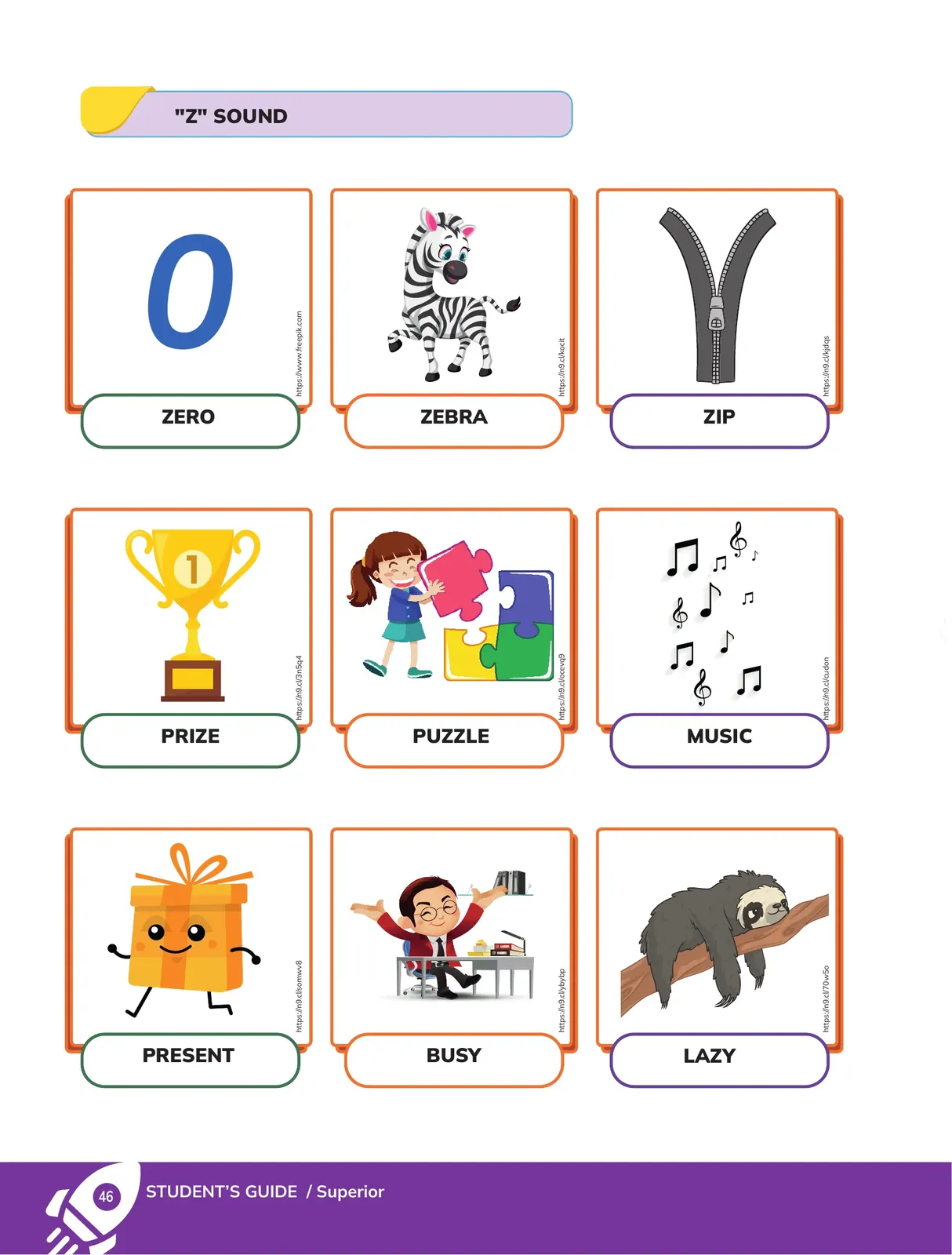
"Z" SOUND EXAMPLES:
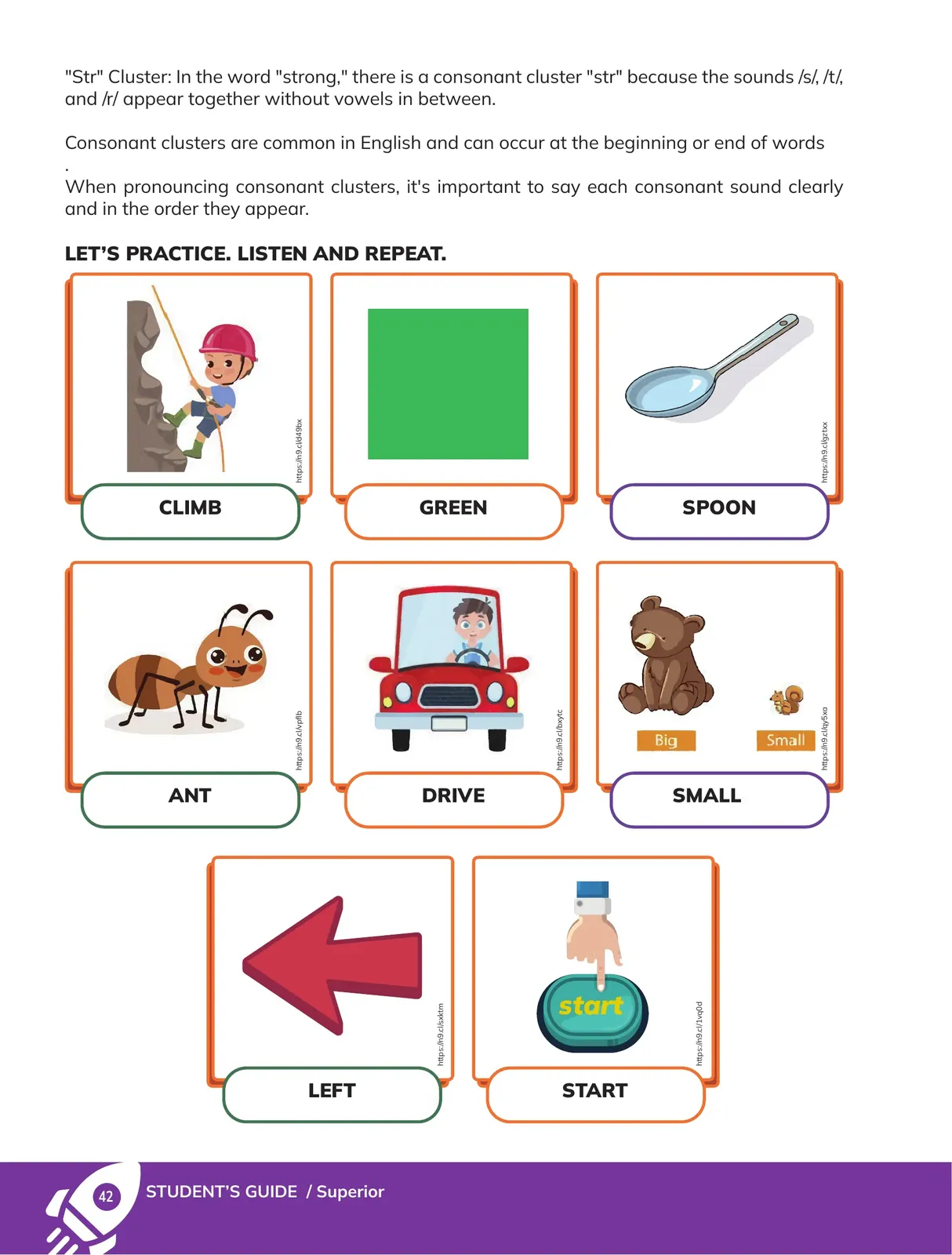
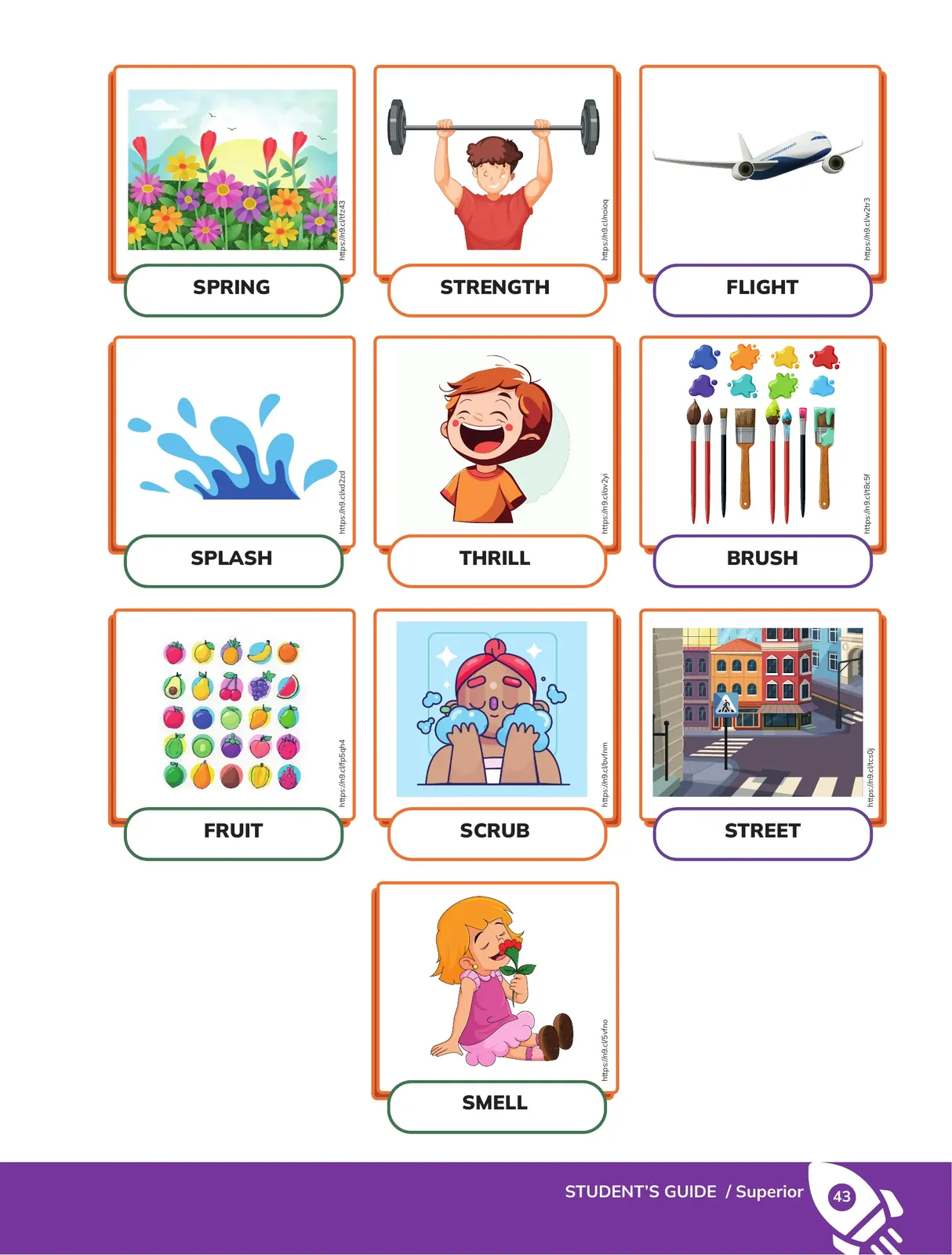
- zero
- zebra
- zip
- prize
REMEMBER:
The main difference is whether your vocal cords vibrate. "S" is quiet (no buzzing), and "z" is like a gentle buzz.
Ready to practice? Listen and repeat.
Ejemplo 1
Diferencia entre 'sip' y 'zip'.
- 'sip' /sɪp/ = 'sorber' (sonido /s/ sordo).
- 'zip' /zɪp/ = 'cierre/cremallera' (sonido /z/ sonoro).
- La única diferencia es la vibración de las cuerdas vocales.