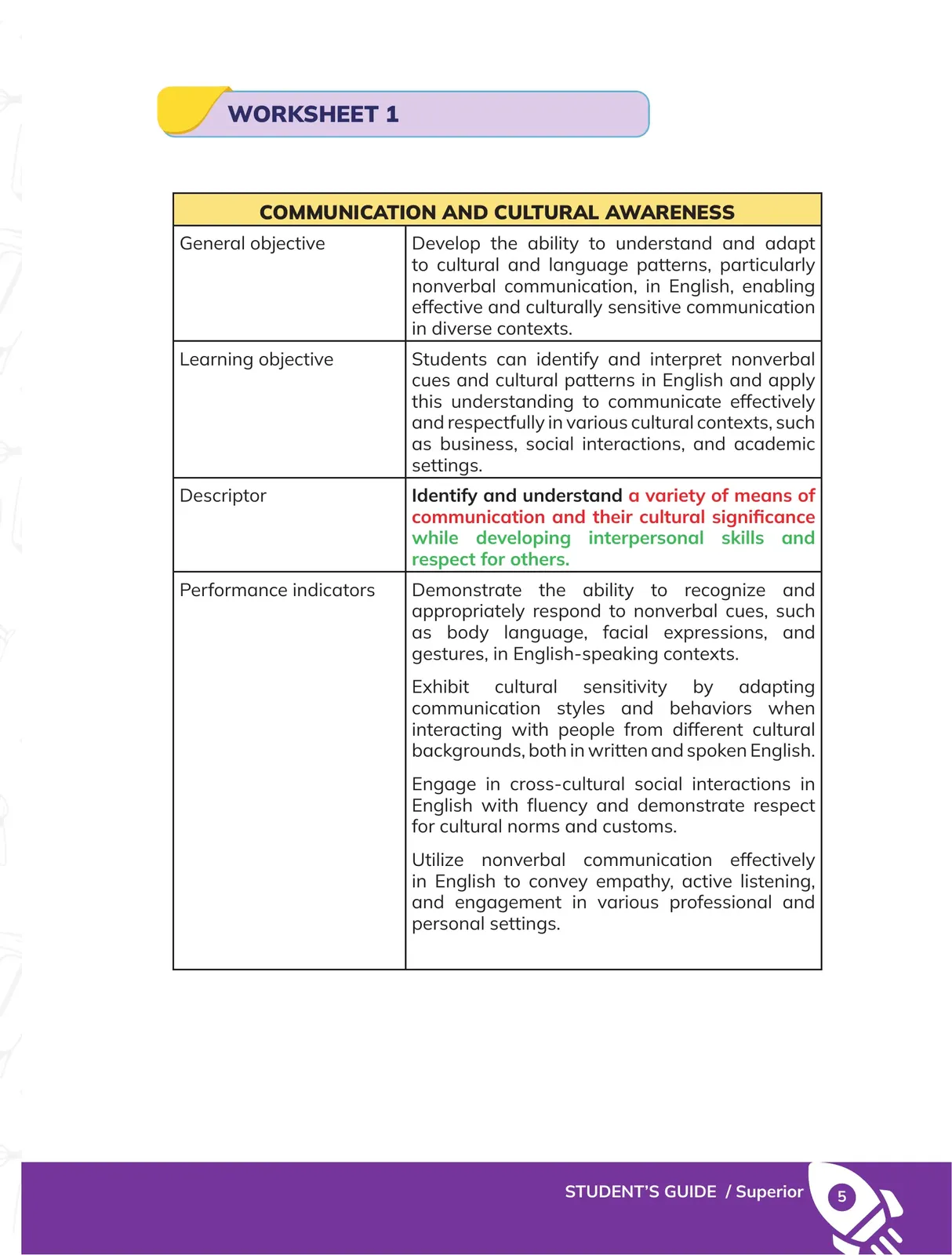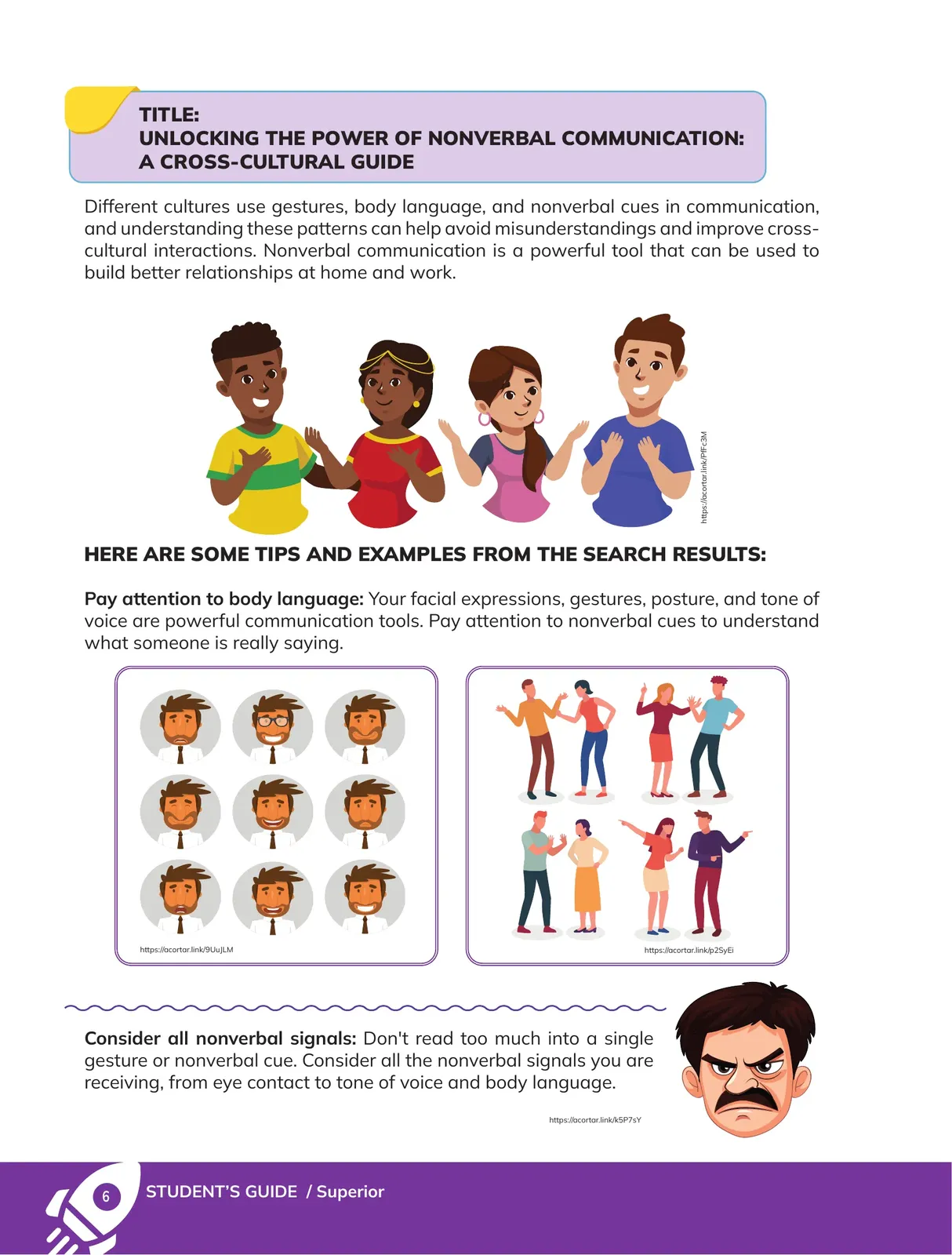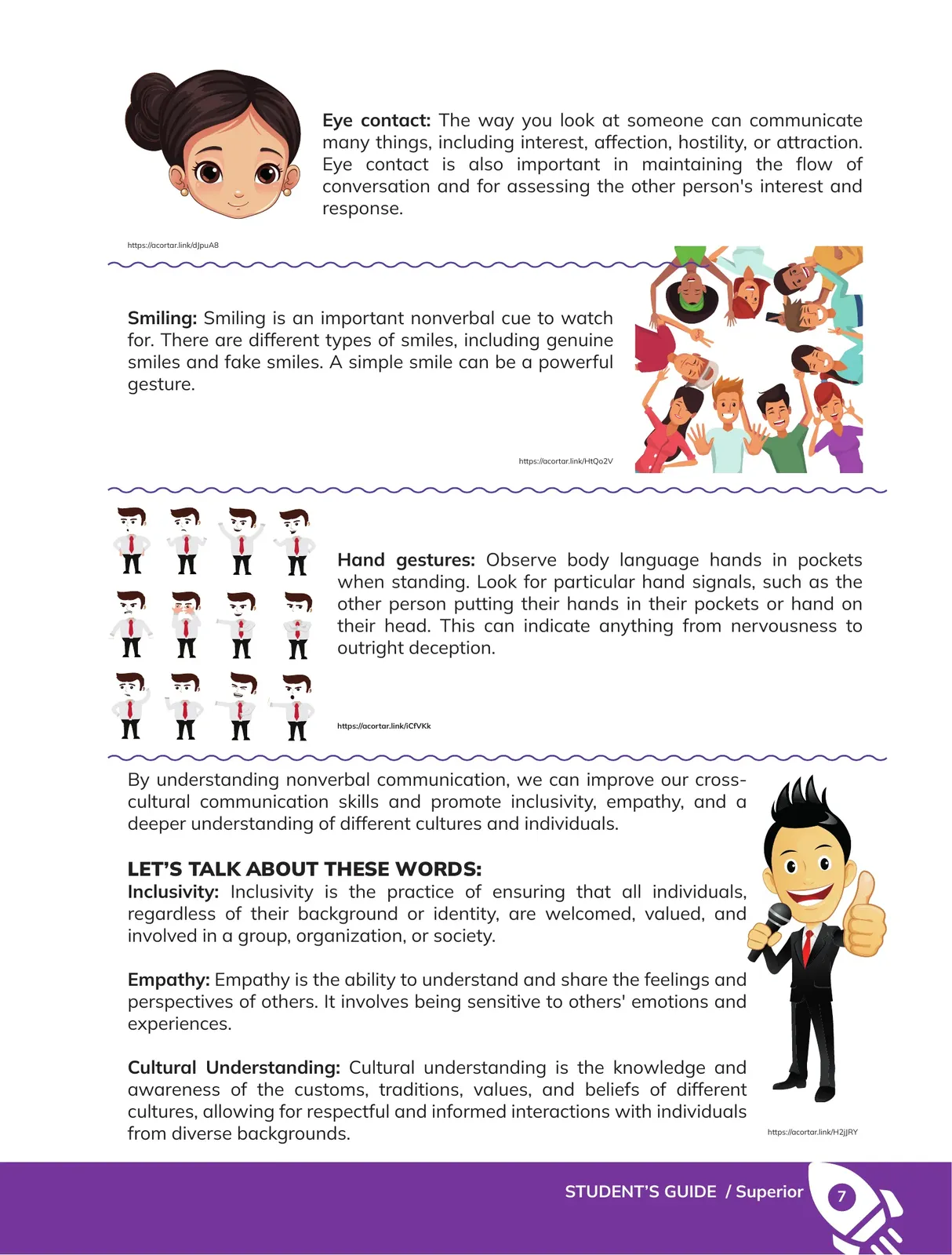
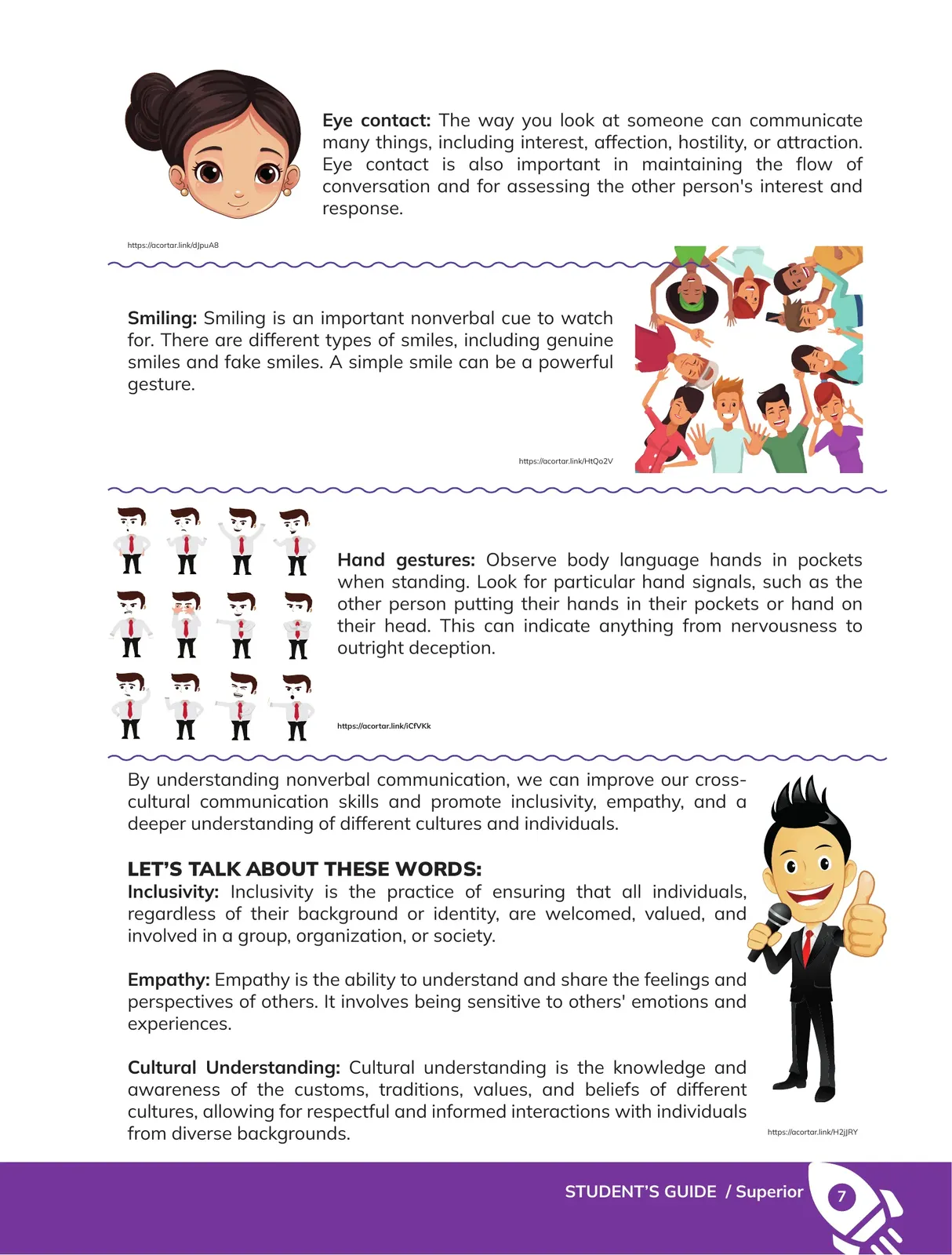
Eye contact: The way you look at someone can communicate many things, including interest, affection, hostility, or attraction. Eye contact is also important in maintaining the flow of conversation and for assessing the other person's interest and response.
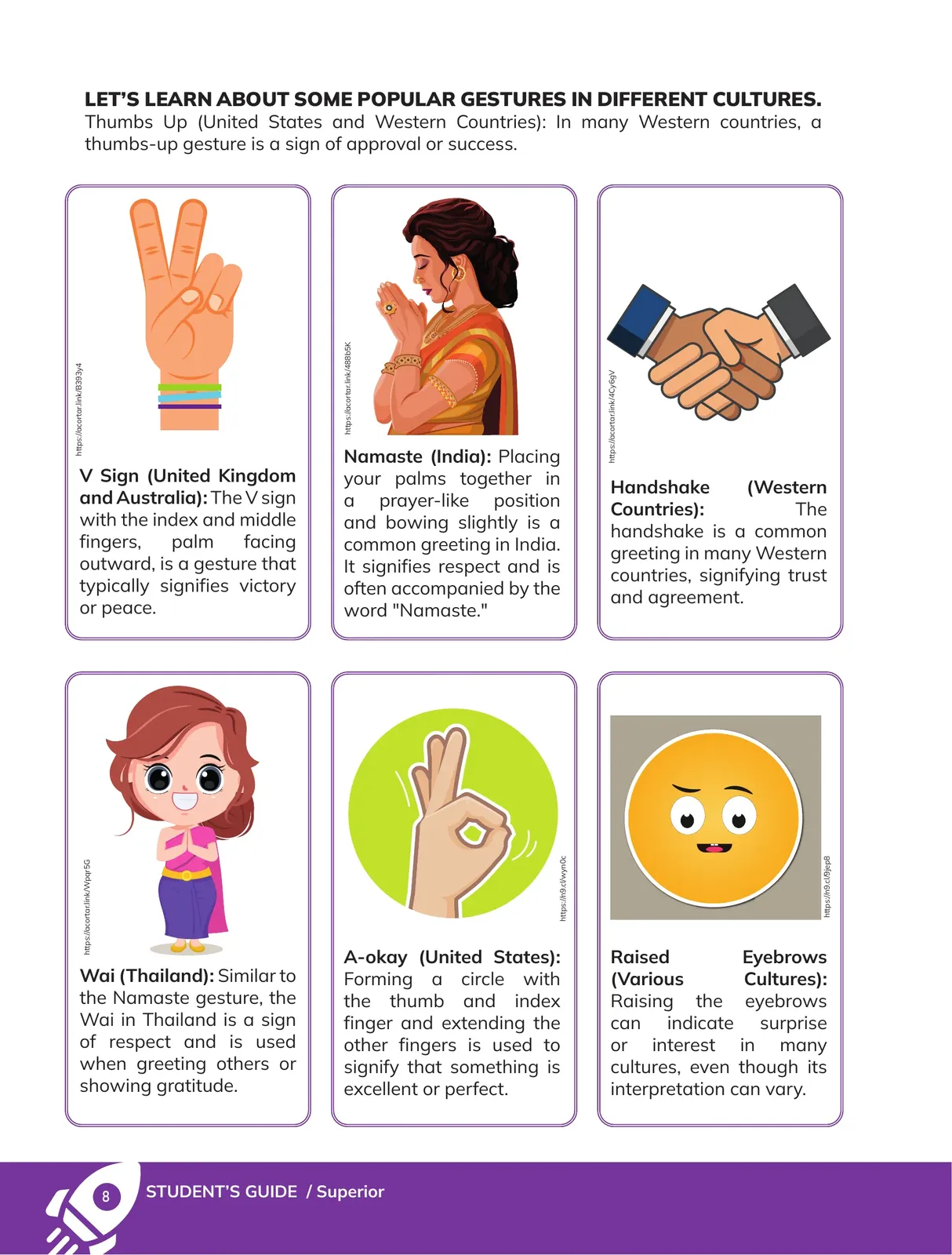
Smiling: Smiling is an important nonverbal cue to watch for. There are different types of smiles, including genuine smiles and fake smiles. A simple smile can be a powerful gesture.
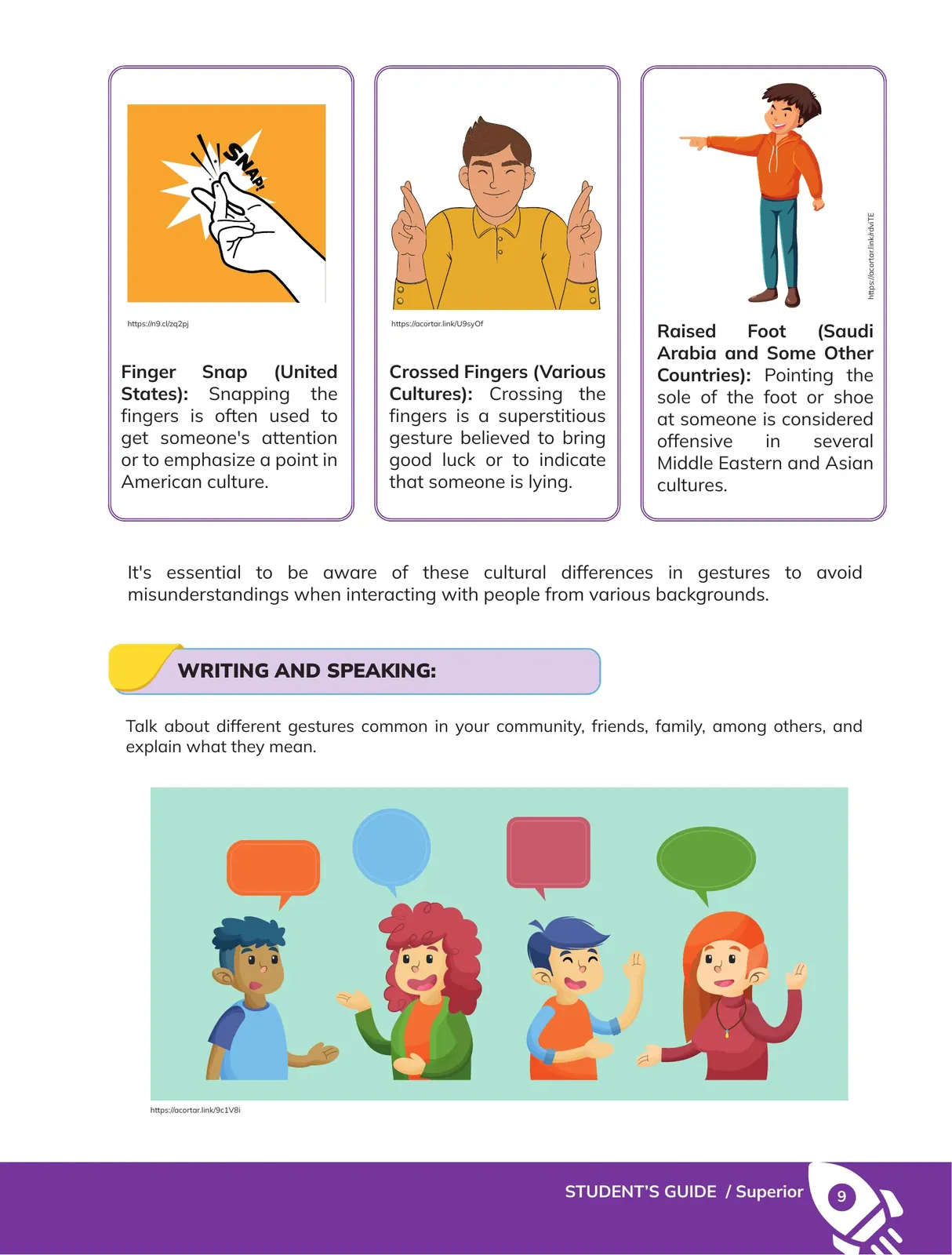
Hand gestures: Observe body language hands in pockets when standing. Look for particular hand signals, such as the other person putting their hands in their pockets or hand on their head. This can indicate anything from nervousness to outright deception.
By understanding nonverbal communication, we can improve our cross-cultural communication skills and promote inclusivity, empathy, and a deeper understanding of different cultures and individuals.
LET'S TALK ABOUT THESE WORDS:
Inclusivity: Inclusivity is the practice of ensuring that all individuals, regardless of their background or identity, are welcomed, valued, and involved in a group, organization, or society.
Empathy: Empathy is the ability to understand and share the feelings and perspectives of others. It involves being sensitive to others' emotions and experiences.
Cultural Understanding: Cultural understanding is the knowledge and awareness of the customs, traditions, values, and beliefs of different cultures, allowing for respectful and informed interactions with individuals from diverse backgrounds.