Saltar al contenido
MisLibrosTexto
Ad
Ingles · 8 EGB · 2024

Ministerio de Educación del Ecuador

41/50

Worksheet 6 — Pronunciation: Mastering English Sounds (Schwa)

📄 otro ingles 🎓 EGB · 8° EGB Ecuador 🇪🇨 EC 🗣 Español
Página 41
41 de 50
Página 41 de Ingles · 8 EGB · 2024
Anterior Página 41 / 50 Siguiente
ingles ⭐⭐⭐ Dificultad 3/5 ⏱ 5 min lectura

Solución — Página 41

Ingles · 8 EGB · 2024

1
Ejercicio 1

Lectura

WORKSHEET 6 — Pronunciation

General objective

Develop clear and effective English pronunciation skills, enabling learners to communicate confidently and be readily understood in both academic and real-world contexts.

Learning objective

Understand and correctly pronounce words with "th" sound in English to communicate clearly.

Descriptor

Recognize and differentiate sounds and letters for correct spelling and pronunciation while appreciating the value of clear and precise communication to understand others.

Performance indicators

  • Recognize words with "th" sounds and pronounce the sounds correctly.
  • Write some words just by listening to them.

TITLE: MASTERING ENGLISH SOUNDS

Schwa Sound

The schwa sound, represented by the symbol /ə/, its sound is pronounced like "uh." It's a quick, neutral sound that you make when your mouth is relaxed, and your tongue is in a neutral position. It's challenging because it's not prominent in many languages.

The schwa sound is found in many common words, especially in unstressed syllables. For example, in the word "banana," the second and third "a" sounds are pronounced as schwas, so it sounds like "buh-NAH-nuh."

The schwa sound is important to understand because it often occurs in English, especially in function words like "the," "to," "of," and "is." Understanding how to pronounce and recognize the schwa sound helps with clear and natural English speech.

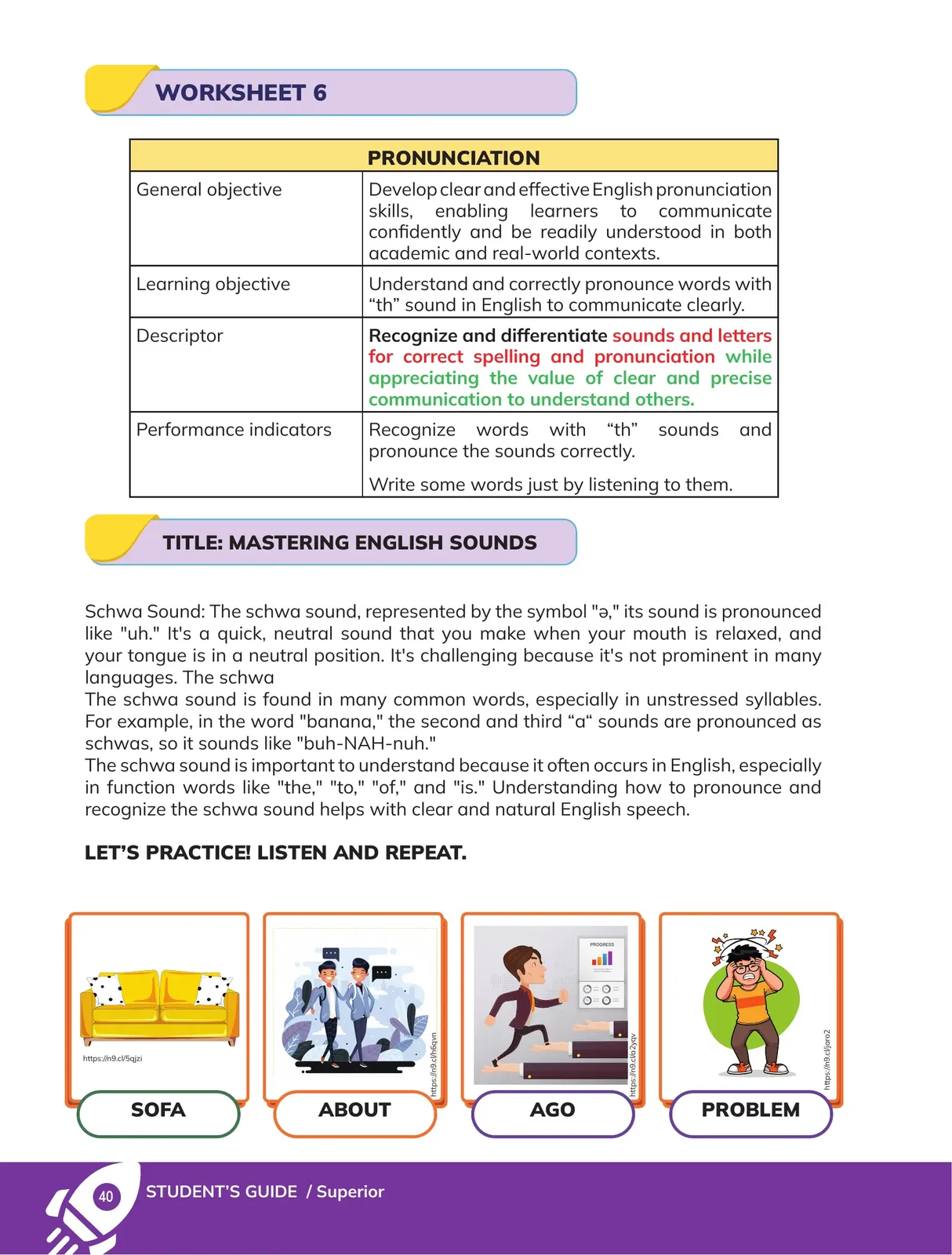
LET'S PRACTICE! LISTEN AND REPEAT.

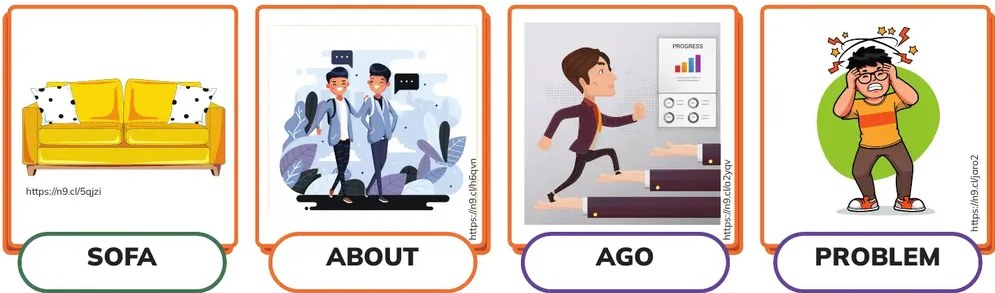
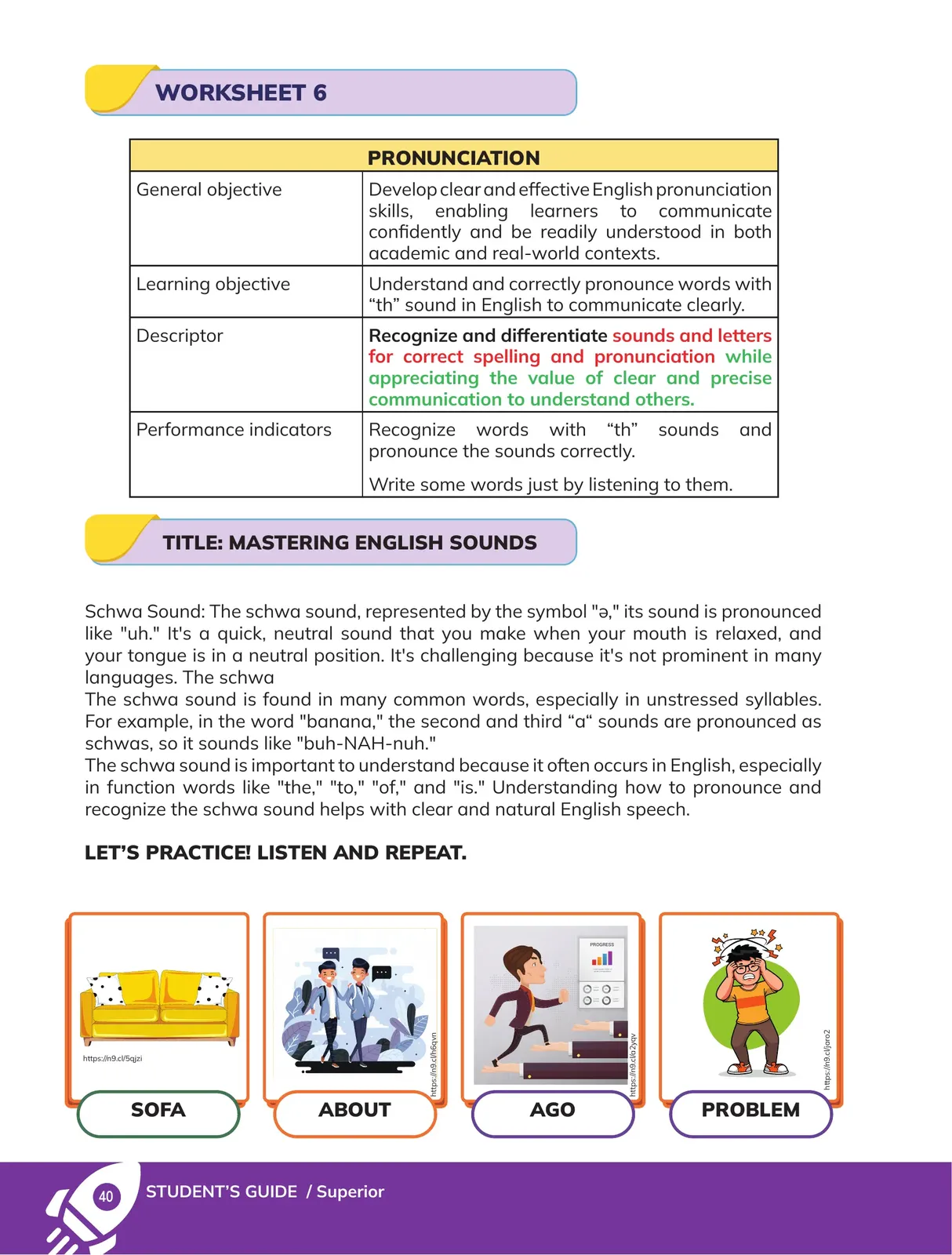
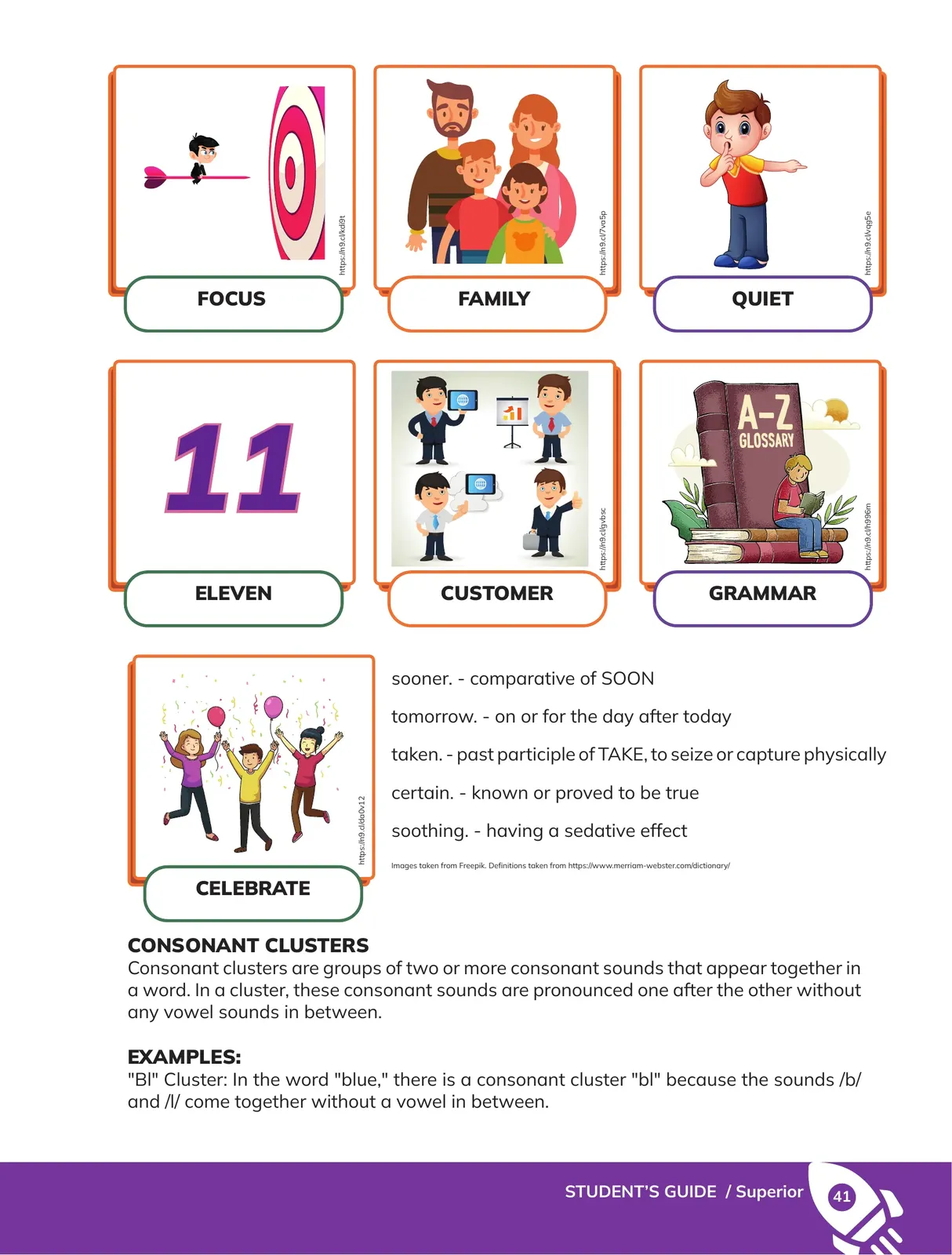
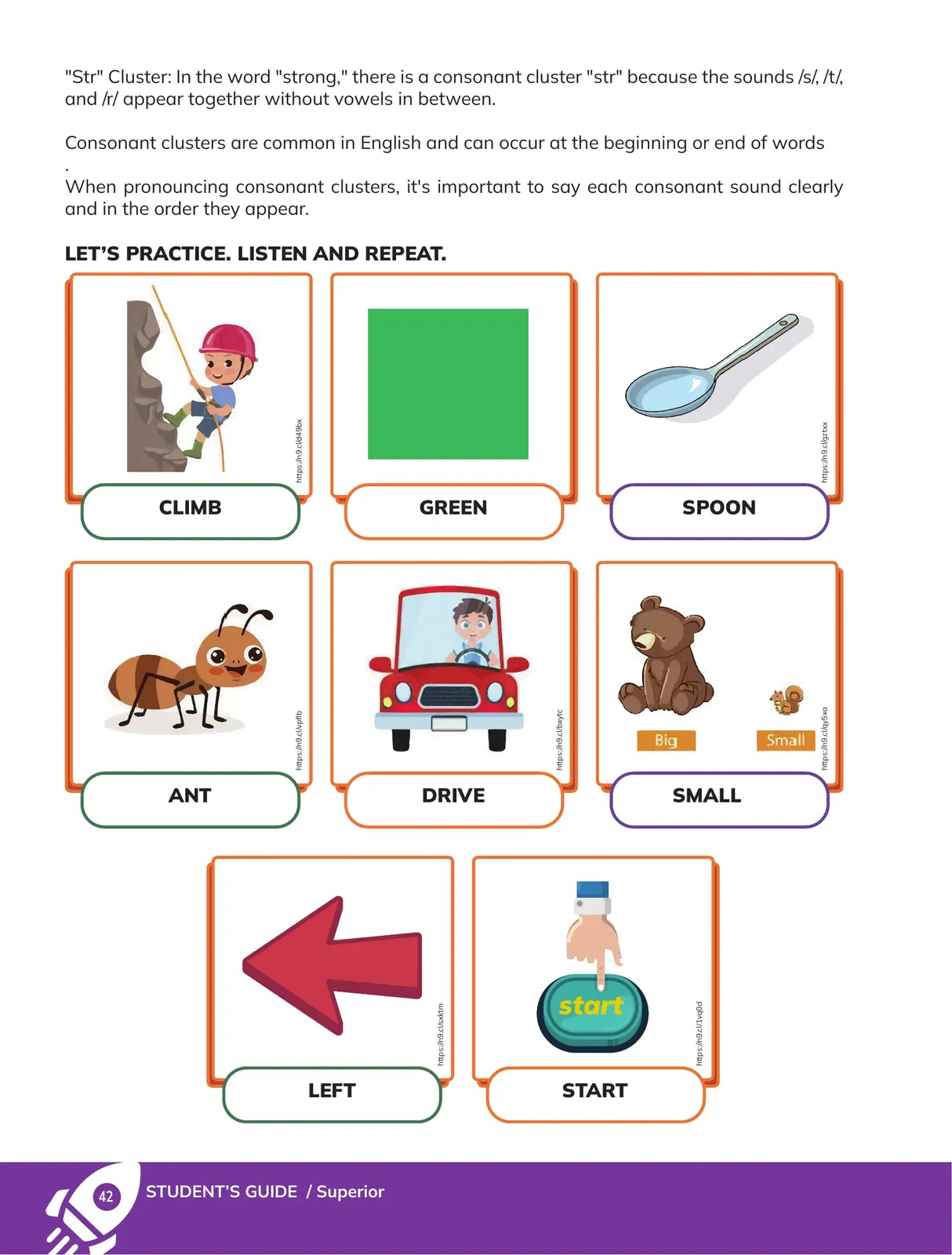
  • SOFA /ˈsoʊ.fə/
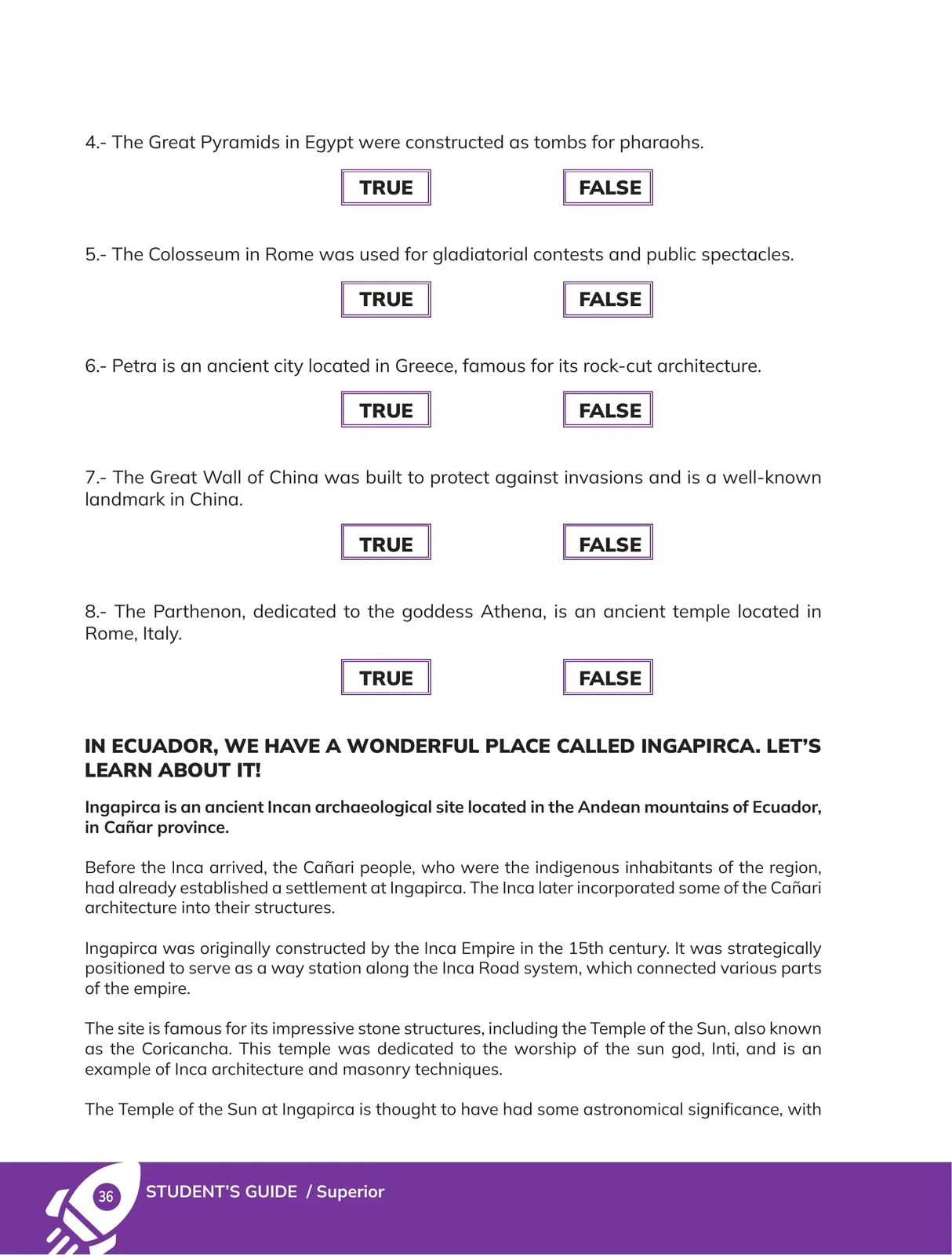
  • ABOUT /əˈbaʊt/
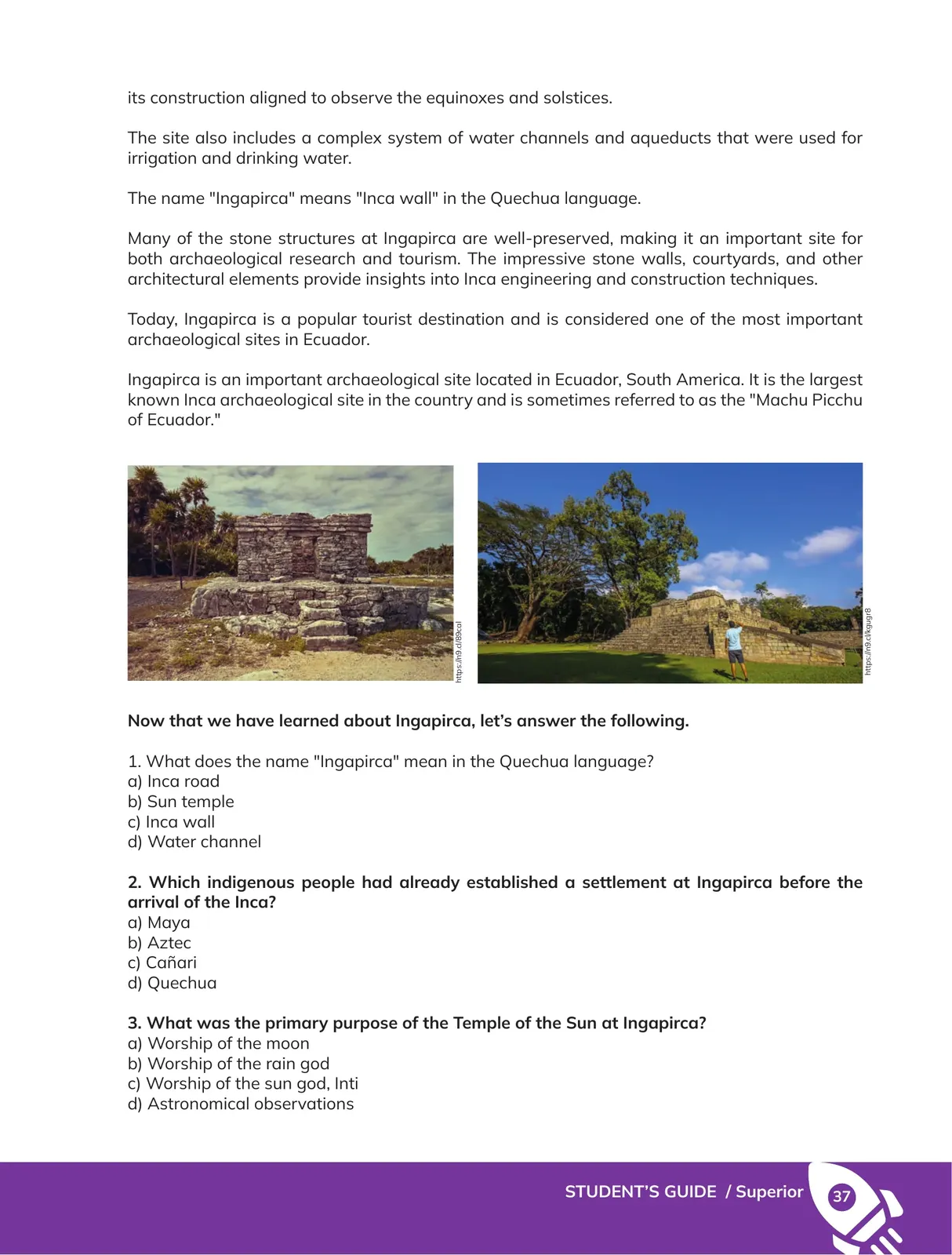
  • AGO /əˈɡoʊ/
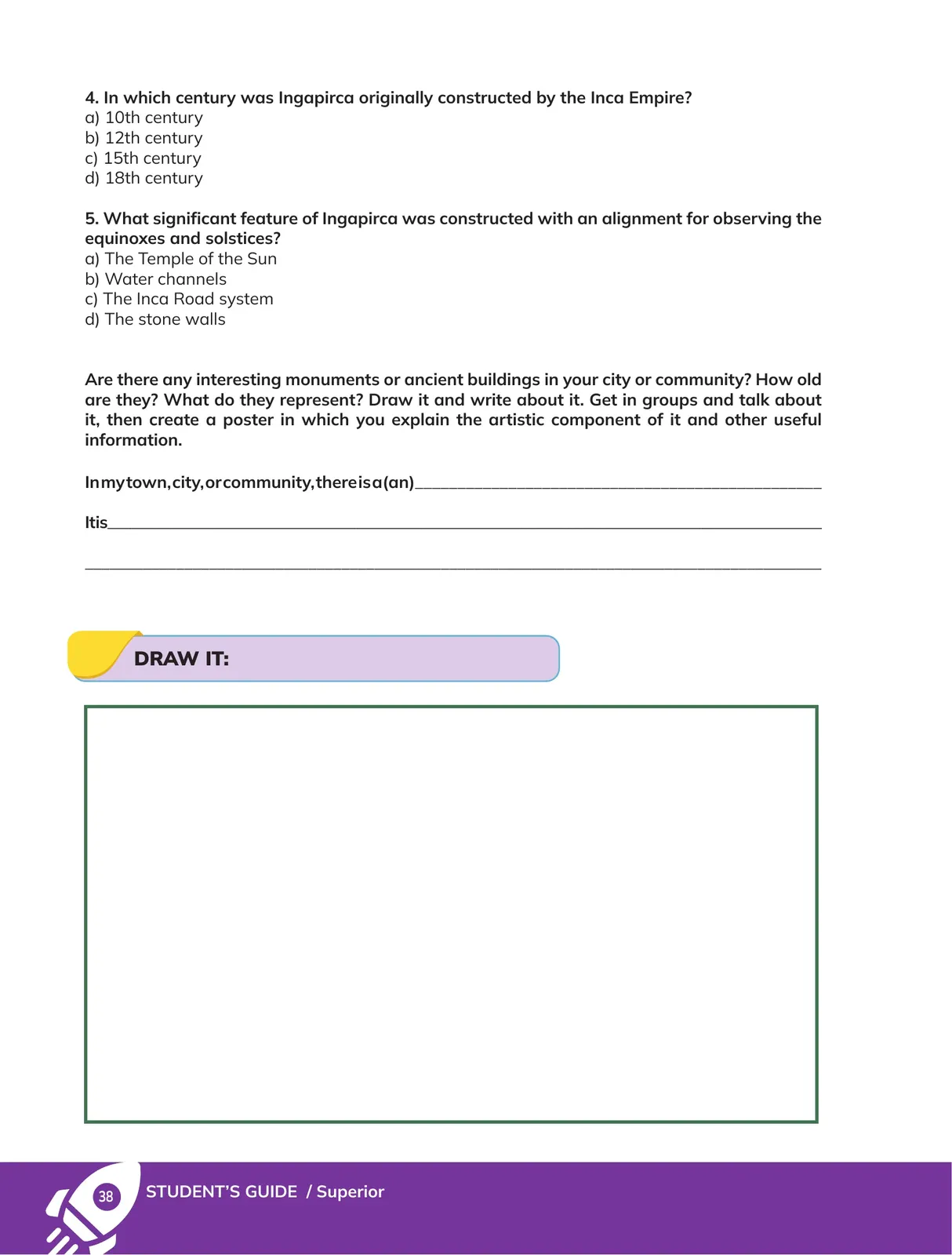
  • PROBLEM /ˈprɒb.ləm/
1
Ejercicio 1

Escucha y repite las cuatro palabras-modelo identificando dónde está el sonido schwa /ə/.

  1. SOFA → la /ə/ está al final (so-fə).
  2. ABOUT → la /ə/ está al inicio (ə-bout).
  3. AGO → la /ə/ está al inicio (ə-go).
  4. PROBLEM → la /ə/ está en la segunda sílaba (probl-əm).

Ejemplo 1

Tablas

Palabra Sílaba tónica Schwa /ə/
SOFA SO -fa final
ABOUT BOUT a- inicial
AGO GO a- inicial
PROBLEM PROB -lem final

Glosario

  • schwa: Sonido vocálico inglés más común; corresponde a /ə/, una vocal neutra y átona.
  • unstressed syllable: Sílaba átona: la que recibe menos énfasis al pronunciar la palabra.
  • function word: Palabra funcional: artículo, preposición, conjunción o auxiliar.
  • neutral position: Posición neutra de la lengua y la boca.

Fuentes

¿Te fue útil esta página?

Figuras de la página (1)

Tarjeta con dos amigos conversando con globos de diálogo (ABOUT).
Figura 2 image
📌 Antes de leer esto
  • Ver pág. 4: Índice general — Worksheet 6 es Mastering English Sounds.
  • Ver pág. 42: Continuación con el sonido 'th' o más palabras con schwa.
Siguiente tema sugerido
Más palabras con schwa + Consonant Clusters
📝 Transcripción de la página (texto seleccionable) 1512 caracteres

__/ WORKSHEET 6 )

General objective Develop clear and effective English pronunciation skills, enabling learners to communicate confidently and be readily understood in both academic and real-world contexts.

Learning objective Understand and correctly pronounce words with “th” sound in English to communicate clearly.

Descriptor Recognize and differentiate sounds and letters for correct spelling and pronunciation while appreciating the value of clear and precise communication to understand others.

Performance indicators Recognize words with “th” sounds and pronounce the sounds correctly.

Write some words just by listening to them.

me MASTERING ENGLISH SOUNDS )

Schwa Sound: The schwa sound, represented by the symbol "a," its sound is pronounced like "uh." It's a quick, neutral sound that you make when your mouth is relaxed, and your tongue is in a neutral position. It's challenging because it's not prominent in many languages. The schwa

The schwa sound is found in many common words, especially in unstressed syllables. For example, in the word "banana," the second and third “a“ sounds are pronounced as schwas, so it sounds like "buh-NAH-nuh."

The schwa sound is important to understand because it often occurs in English, especially in function words like "the," "to," "of," and "is." Understanding how to pronounce and recognize the schwa sound helps with clear and natural English speech.

LET'S PRACTICE! LISTEN AND REPEAT.

102

https://n9.cl'Sqjzi

SOFA y

https:/in9.clija

Ú PROBLEM

Ad

Otros libros recomendados

Ver todos →
Ad

Usamos cookies propias y de terceros para personalizar contenido, mostrar publicidad y analizar el tráfico. Las cookies necesarias siempre están activas.