
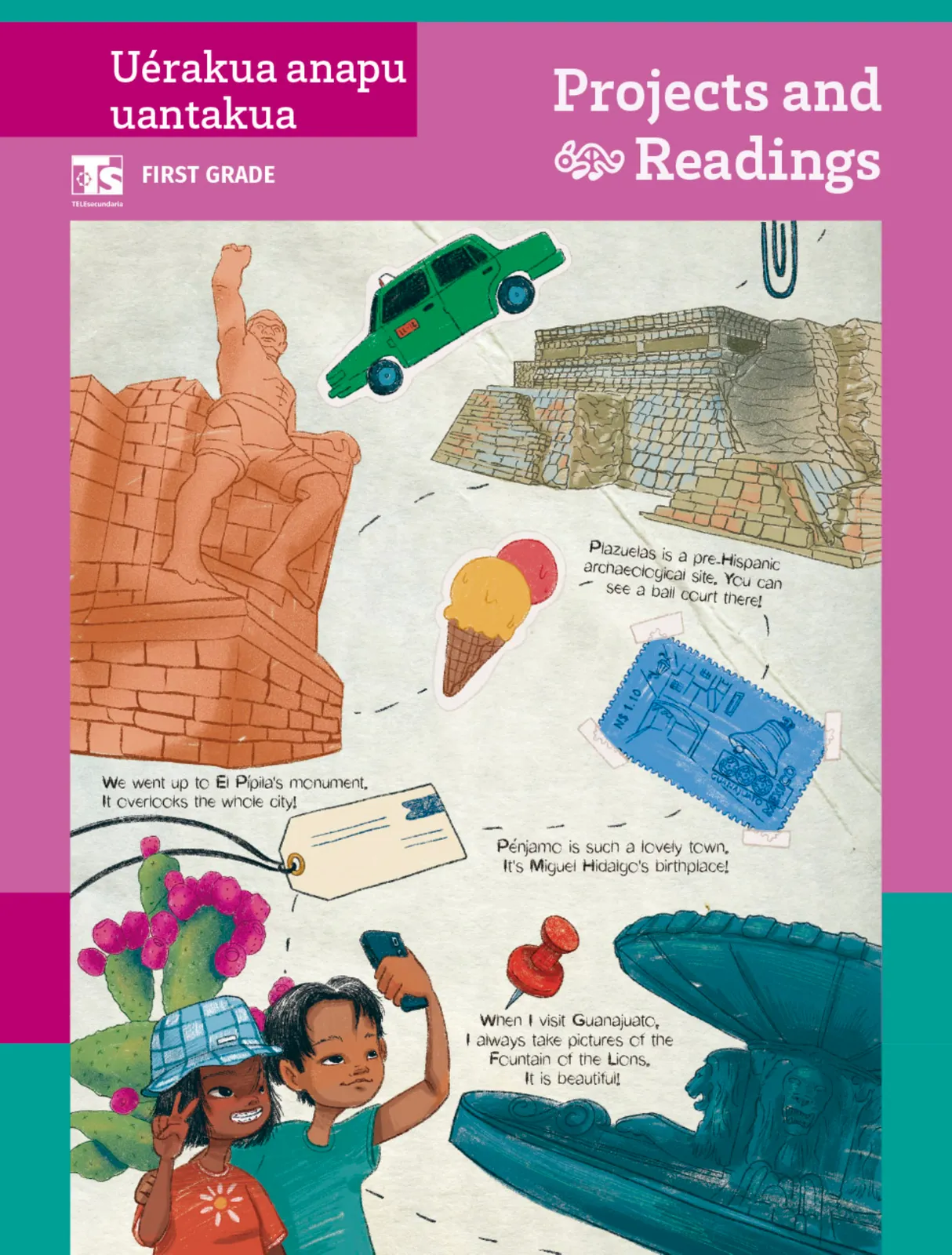
Página — Uerakua Anapu Uantakua Projects And Readings 1 (pág. 152)
Solución no disponible aún
Esta página está en proceso de revisión.
Pídela y la resolveremos antes. Sin registro.
📝 Transcripción de la página (texto seleccionable) 2080 caracteres
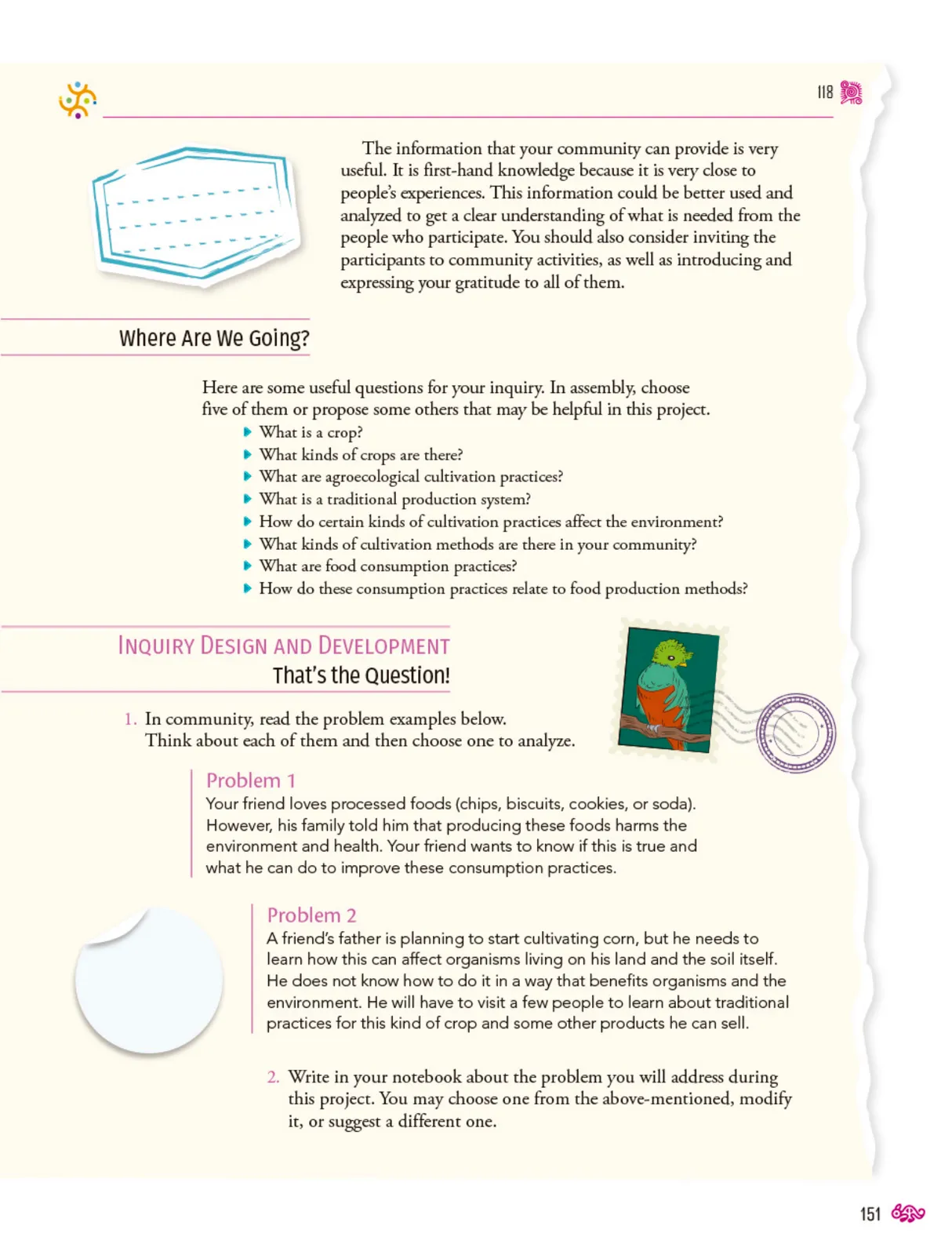
Where Are We Going?
The information that your community can provide is very useful. It is first-hand knowledge because it is very close to people's experiences. This information could be better used and analyzed to get a clear understanding of what is needed from the people who participate. You should also consider inviting the participants to community activities, as well as introducing and expressing your gratitude to all of them.
Here are some useful questions for your inquiry. In assembly, choose five of them or propose some others that may be helpful in this project.
What is a crop?
What kinds of crops are there?
What are agroecological cultivation practices?
iWhat is a traditional production system?
How do certain kinds of cultivation practices affect the environment?
What kinds of cultivation methods are there in your community?
What are food consumption practices?
How do these consumption practices relate to food production methods?
INQUIRY DESIGN AND DEVELOPMENT That's the Question!
- In community, read the problem examples below.Think about each of them and then choose one to analyze.
Problem 1
Your friend loves processed foods (chips, biscuits, cookies, or soda).However, his family told him that producing these foods harms the environment and health. Your friend wants to know if this is true and what he can do to improve these consumption practices.
Problem 2
A friend's father is planning to start cultivating corn, but he needs to learn how this can affect organisms living on his land and the soil itself.He does not know how to do it in a way that benefits organisms and the environment. He will have to visit a few people to learn about traditional practices for this kind of crop and some other products he can sell.
- Write in your notebook about the problem you will address during this project. You may choose one from the above-mentioned, modify it, or suggest a different one.
118


151
Otros libros recomendados
Uérakua anapu uantakua. Projects and Readings. Libro de Educación Telesecundaria Grado 3° Ciclo Escolar 2025 - 2026
SEP/CONALITEG
187 págs.
Uérakua anapu uantakua. Projects and Readings. Libro de Educación Telesecundaria Grado 2° Ciclo Escolar 2025 - 2026
SEP/CONALITEG
171 págs.
Colección Ximhai. De lo humano y lo comunitario. Libro de Educación Telesecundaria Grado 1° Ciclo Escolar 2025 - 2026
SEP/CONALITEG
259 págs.
Colección Ximhai. Nuestro libro de Proyectos. Tomo II. Libro de Educación Telesecundaria Grado 1° Ciclo Escolar 2025 - 2026
SEP/CONALITEG
267 págs.
Un libro sin recetas para la maestra y el maestro. Fase 6. Libro de Educación Telesecundaria Grado 1°, 2°, 3° Ciclo Escolar 2025 - 2026
SEP/CONALITEG
203 págs.
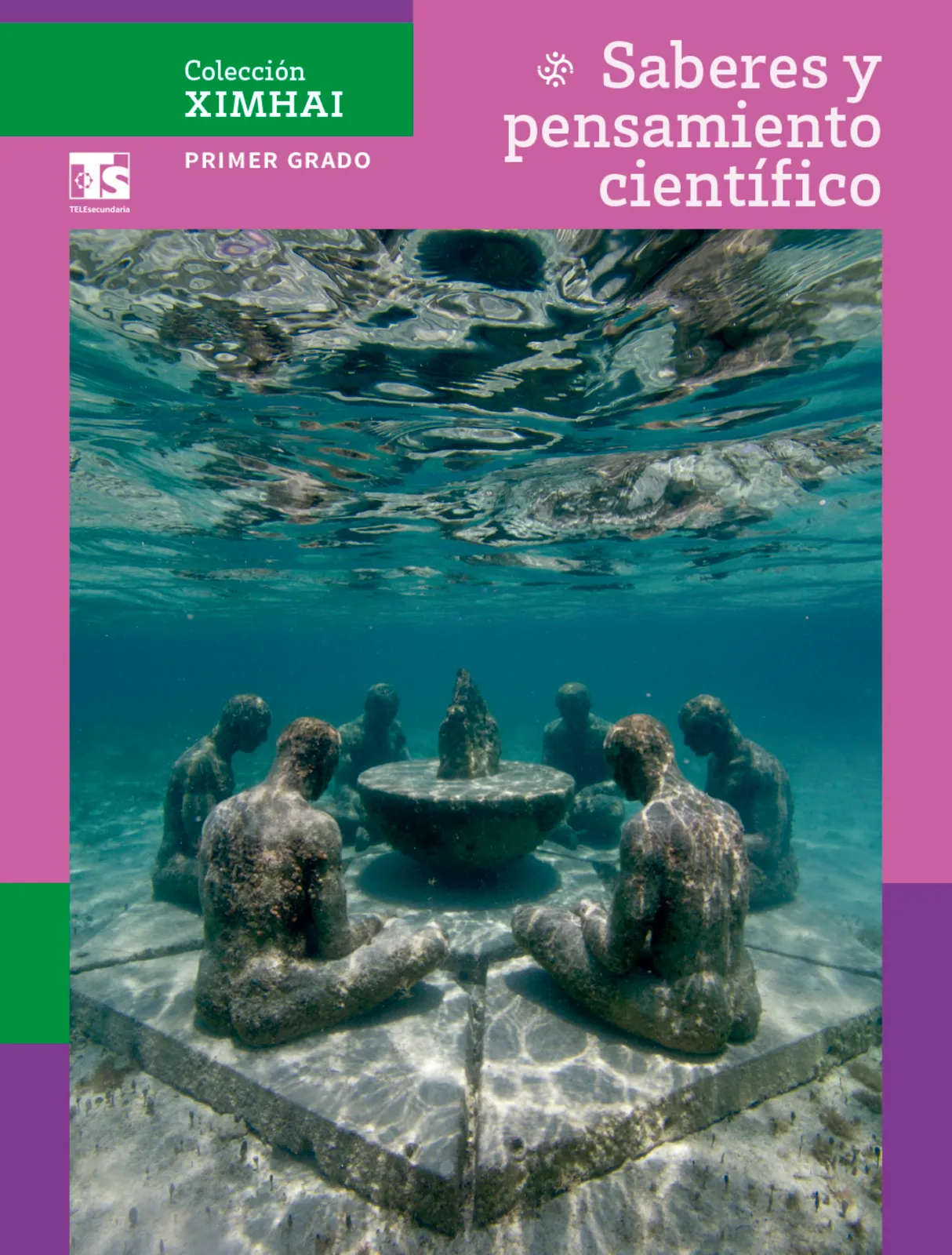
Colección Ximhai. Saberes y pensamiento científico. Libro de Educación Telesecundaria Grado 1° Ciclo Escolar 2025 - 2026
SEP/CONALITEG
339 págs.
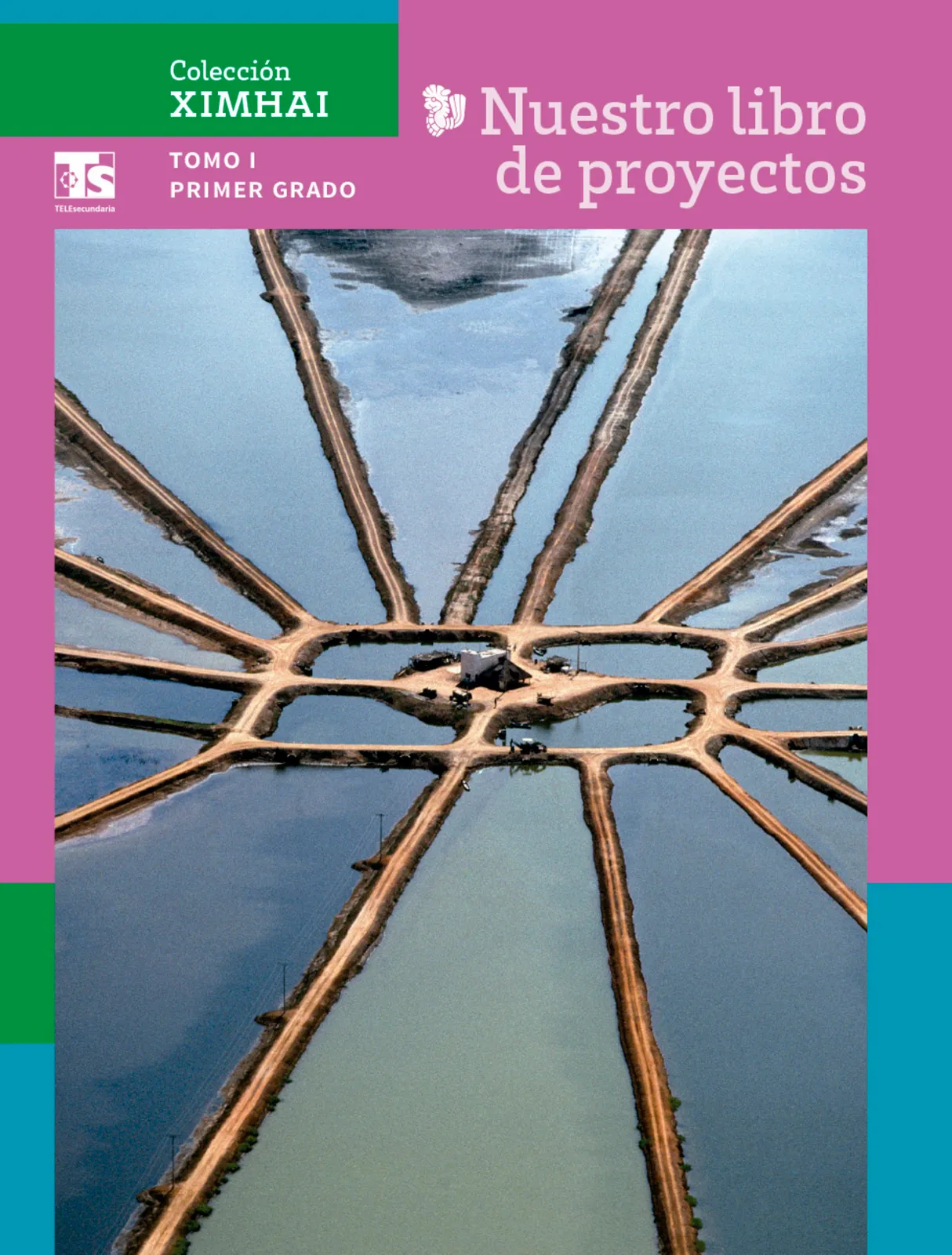
Colección Ximhai. Nuestro libro de Proyectos. Tomo I. Libro de Educación Telesecundaria Grado 1° Ciclo Escolar 2025 - 2026
SEP/CONALITEG
307 págs.
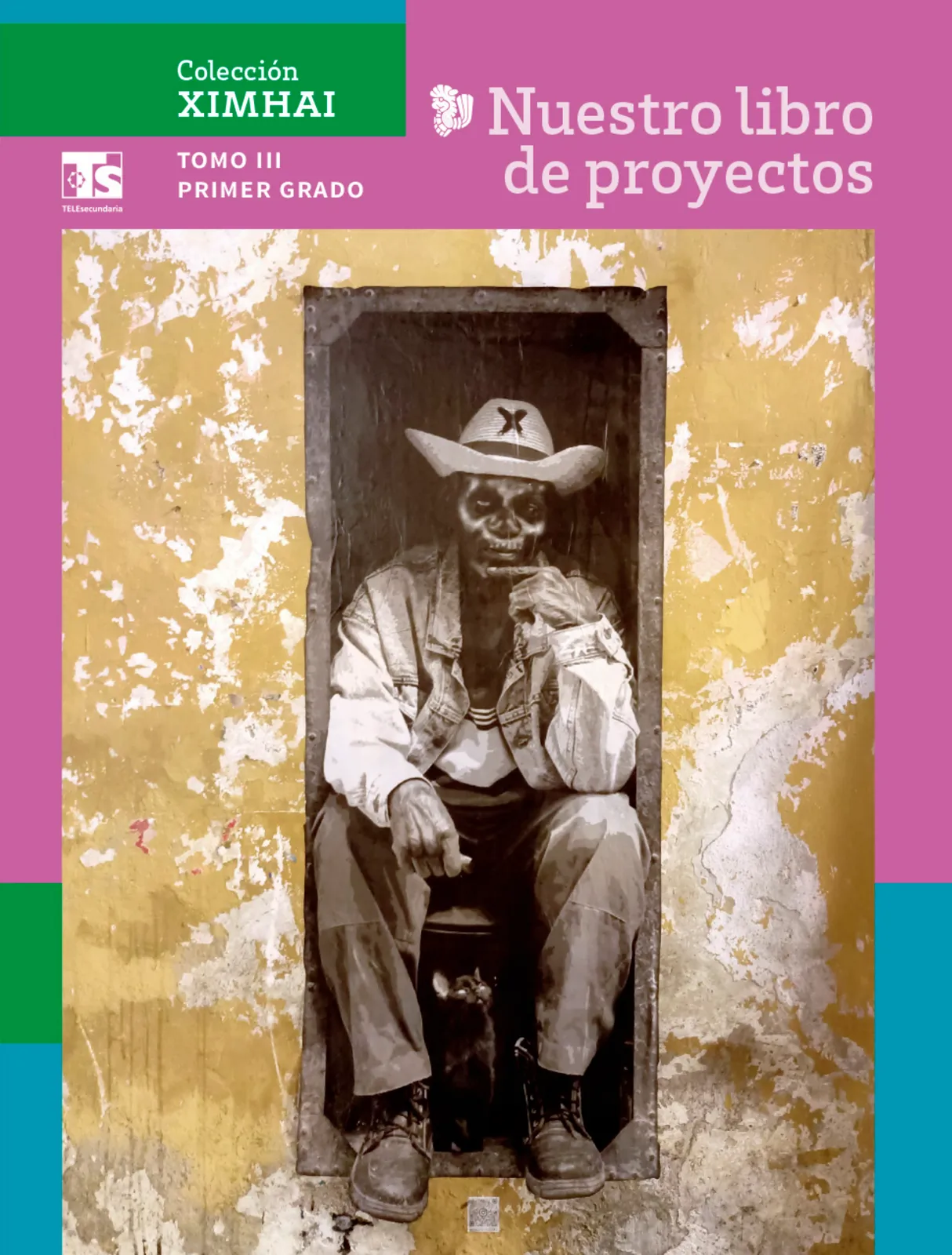
Colección Ximhai. Nuestro libro de Proyectos. Tomo III. Libro de Educación Telesecundaria Grado 1° Ciclo Escolar 2025 - 2026
SEP/CONALITEG
275 págs.