
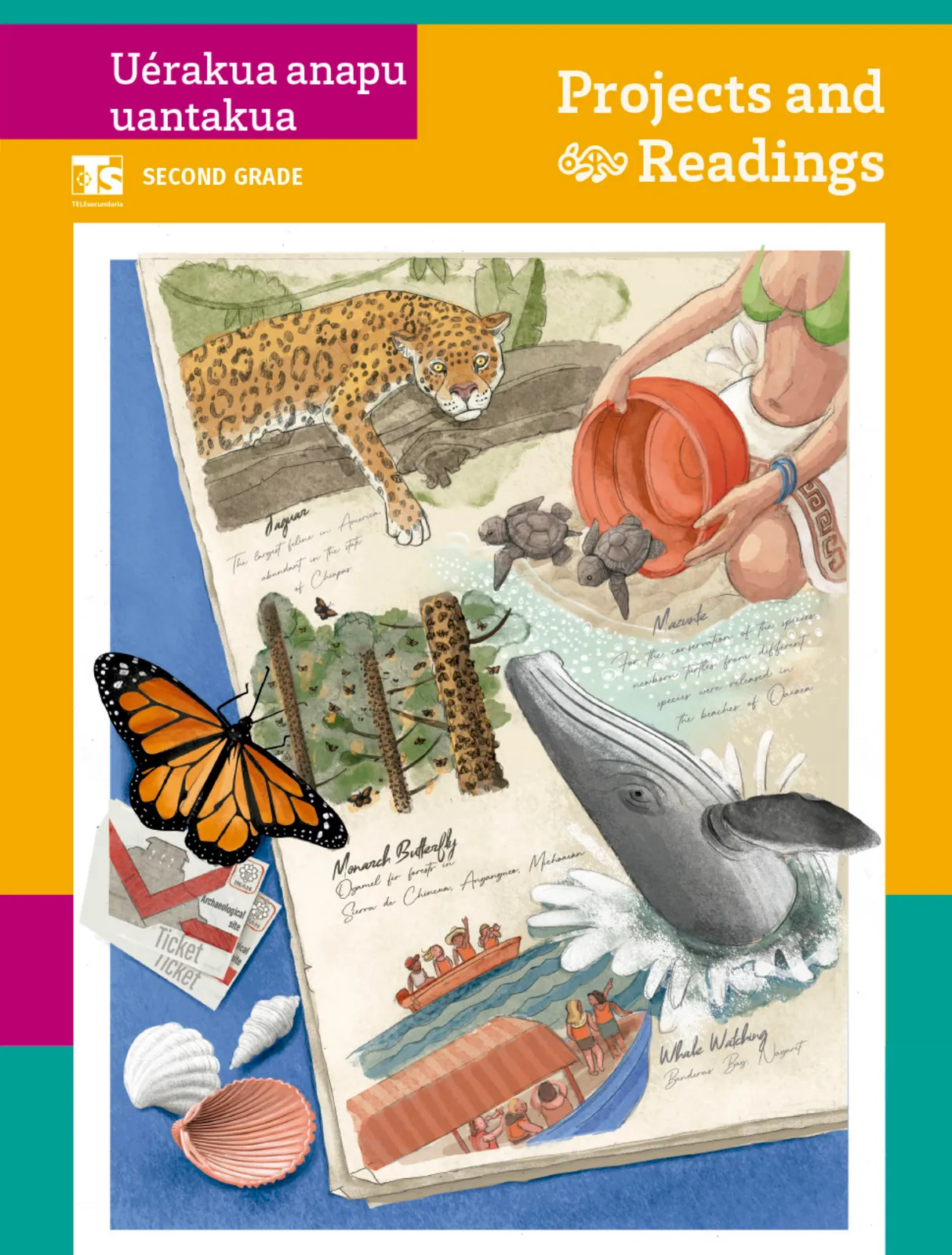
Página — Uerakua Anapu Uantakua Projects And Readings 2 (pág. 27)
Solución no disponible aún
Esta página está en proceso de revisión.
Pídela y la resolveremos antes. Sin registro.
📝 Transcripción de la página (texto seleccionable) 2739 caracteres
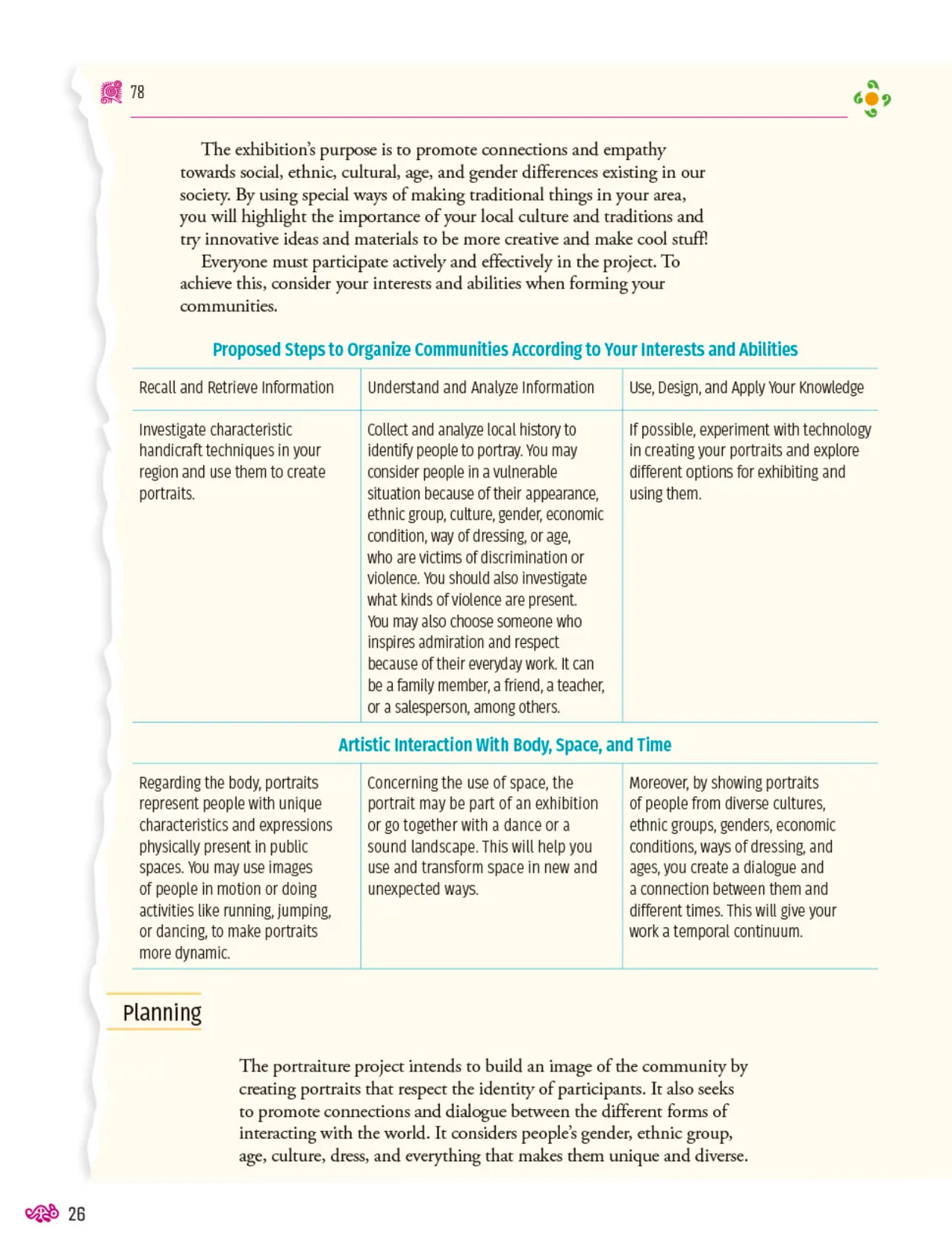
The exhibition's purpose is to promote connections and empathy towards social, ethnic, cultural, age, and gender differences existing in our society. By using special ways of making traditional things in your area,you will highlight the importance of your local culture and traditions and try innovative ideas and materials to be more creative and make cool stuff!
Everyone must participate actively and effectively in the project. To achieve this, consider your interests and abilities when forming your communities.
Planning
The portraiture project intends to build an image of the community by creating portraits that respect the identity of participants. It also seeks to promote connections and dialogue between the different forms of interacting with the world. It considers people's gender, ethnic group,age, culture, dress, and everything that makes them unique and diverse.
Proposed Steps to Organize Communities According to Your Interests and Abilities
| Recall and Retrieve Information | Understand and Analyze Information | Use, Design, and Apply Your Knowledge |
| Investigate characteristic handicraft techniques in your region and use them to create portraits. | Collect and analyze local history to identify people to portray. You may consider people in a vulnerable situation because of their appearance, ethnic group, culture, gender, economic condition, way of dressing, or age, who are victims of discrimination or violence. You should also investigate what kinds of violence are present. You may also choose someone who inspires admiration and respect because of their everyday work. It can be a family member, a friend, a teacher, or a salesperson, among others. | If possible, experiment with technology in creating your portraits and explore different options for exhibiting and using them. |
| Artistic Interaction with Body, Space, and Time | ||
| Regarding the body, portraits represent people with unique characteristics and expressions physically present in public spaces. You may use images of people in motion or doing activities like running, jumping, or dancing, to make portraits more dynamic. | Concerning the use of space, the portrait may be part of an exhibition or go together with a dance or a sound landscape. This will help you use and transform space in new and unexpected ways. | Moreover, by showing portraits of people from diverse cultures, ethnic groups, genders, economic conditions, ways of dressing, and ages, you create a dialogue and a connection between them and different times. This will give your work a temporal continuum. |
cto
26
Otros libros recomendados
Uérakua anapu uantakua. Projects and Readings. Libro de Educación Telesecundaria Grado 3° Ciclo Escolar 2025 - 2026
SEP/CONALITEG
187 págs.
Colección Sk´asolil. De lo humano y lo comunitario. Libro de Educación Telesecundaria Grado 2° Ciclo Escolar 2025 - 2026
SEP/CONALITEG
259 págs.
Colección Sk´asolil. Nuestro libro de Proyectos. Tomo II. Libro de Educación Telesecundaria Grado 2° Ciclo Escolar 2025 - 2026
SEP/CONALITEG
259 págs.
Colección Sk´asolil. Nuestro libro de Proyectos. Tomo I. Libro de Educación Telesecundaria Grado 2° Ciclo Escolar 2025 - 2026
SEP/CONALITEG
291 págs.
Colección Sk´asolil. Nuestro libro de Proyectos. Tomo III. Libro de Educación Telesecundaria Grado 2° Ciclo Escolar 2025 - 2026
SEP/CONALITEG
291 págs.
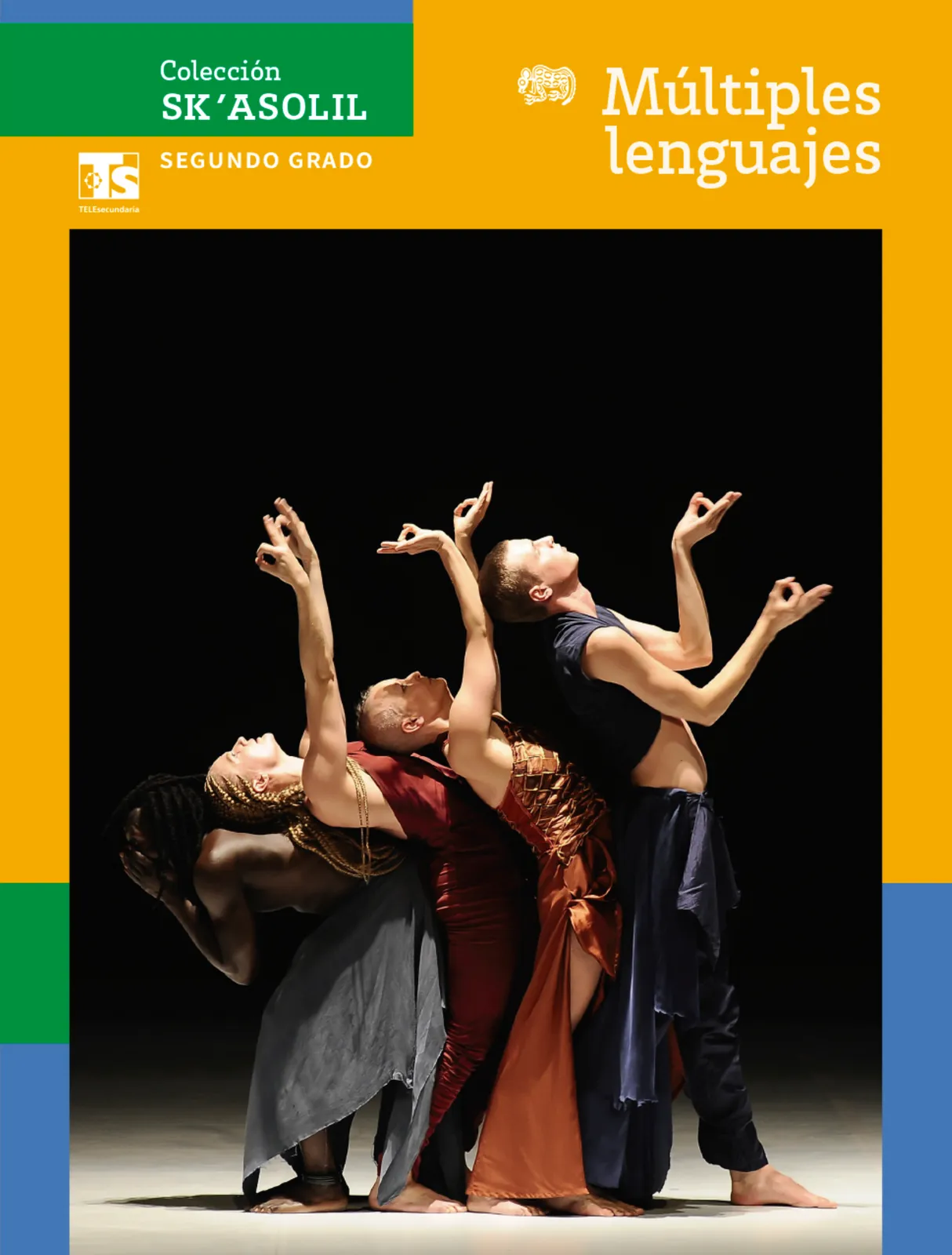
Colección Sk´asolil. Múltiples lenguajes. Libro de Educación Telesecundaria Grado 2° Ciclo Escolar 2025 - 2026
SEP/CONALITEG
163 págs.
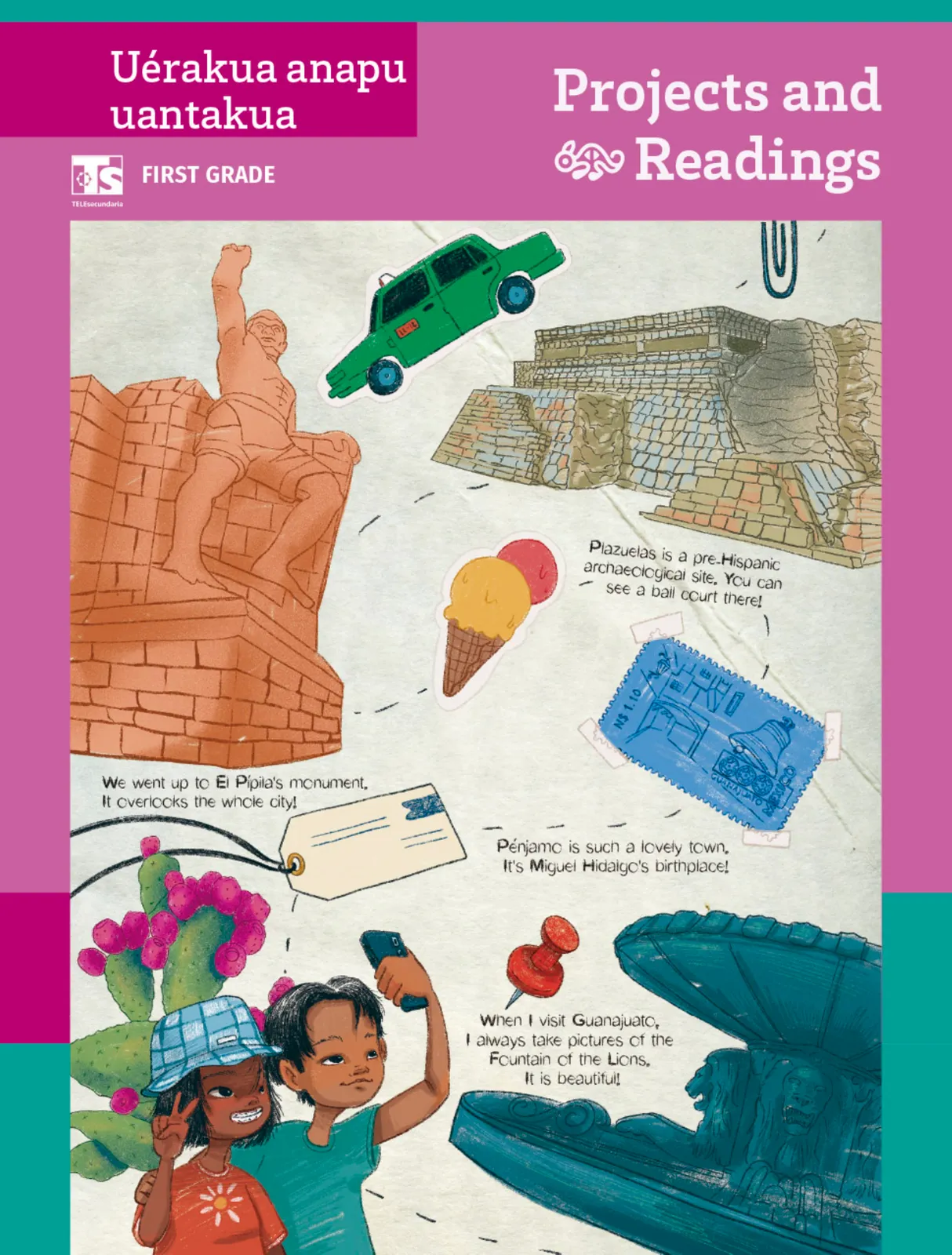
Uérakua anapu uantakua. Projects and Readings. Libro de Educación Telesecundaria Grado 1° Ciclo Escolar 2025 - 2026
SEP/CONALITEG
187 págs.
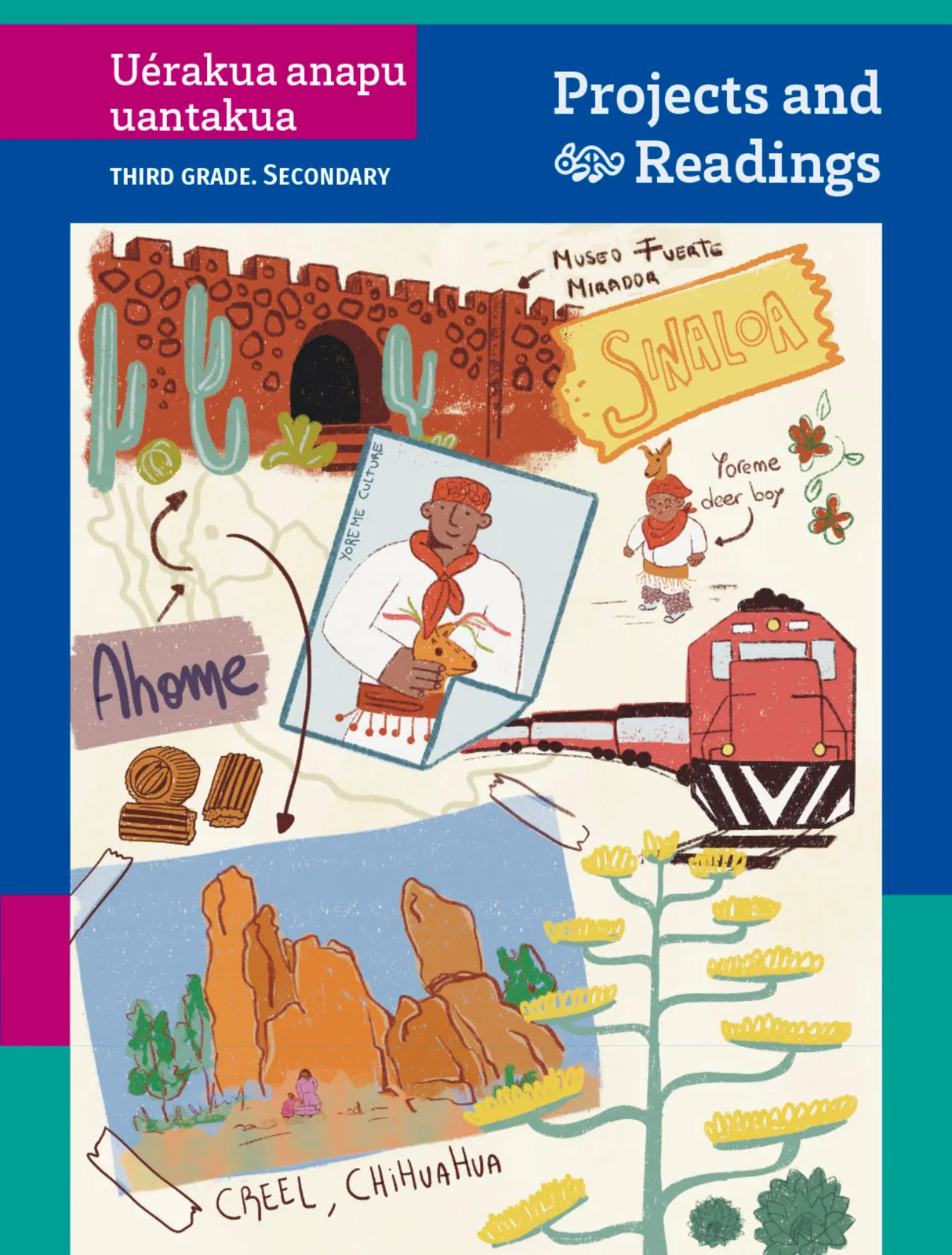
Uérakua anapu uantakua. Projects and Readings. Libro de Educación Secundaria Grado 3° Ciclo Escolar 2025 - 2026
SEP/CONALITEG
187 págs.