















Saltar al contenido
MisLibrosTexto
Ad

Cultura, patrimonio y palabras interrogativas

📄 teoria ingles 🎓 secundaria · 1° Secundaria México 🇲🇽 MX 🗣 Español
Página 50
50 de 187
Página 50 de Uérakua anapu uantakua. Projects and Readings  Libro de Educación Secundaria Grado 1°  Ciclo Escolar 2025 - 2026
Anterior Página 50 / 187 Siguiente

Respuesta rápida

Causa 1: los roles de género alejan a los jóvenes de la cocina (situación 1). Causa 2: la comida típica no se valora como arte (situación 2). Causa 3: faltan herramientas de difusión (situación 3). Grammar: who = persona, where = lugar, when = tiempo.

📚 theory ingles ⭐⭐ Dificultad 2/5 ⏱ 8 min lectura

Solución — Página 50

Uérakua anapu uantakua. Projects and Readings Libro de Educación Secundaria Grado 1° Ciclo Escolar 2025 - 2026

1
Ejercicio 1

(causas de las situaciones problemáticas)

Enunciado (traducido): En comunidad, lean las siguientes causas y discutan por qué contribuyen a las situaciones problemáticas mencionadas en "Retrieval". Si es necesario, escriban otra razón.

  1. Causa 1: Los jóvenes no participan con frecuencia en la preparación de alimentos, debido a los roles de género. Conecta con la situación 1: si los jóvenes (todos, no solo las mujeres) no cocinan, las recetas se pierden y nadie aprende a preparar la comida representativa.
  2. Causa 2: La preparación y presentación de la comida típica de la comunidad o región no es valorada ni cultural ni artísticamente representativa. Conecta con la situación 2: al no reconocer su valor, se ignora que la cocina es una manifestación artística y cultural.
  3. Causa 3: No existen herramientas para difundir la comida típica de la región ni para identificar qué alimentos forman parte del patrimonio cultural de la comunidad. Conecta con la situación 3: sin recetarios, ferias ni materiales, la comida no se difunde como patrimonio.

Otra razón posible: Los alimentos industrializados y la comida rápida desplazan a los platillos tradicionales en la dieta diaria de las familias, especialmente de los jóvenes.

Grammar: Question Words (palabras interrogativas)

Enunciado (traducido): Será más fácil preguntar sobre comida, cultura e identidad si repasamos las palabras interrogativas en inglés.

  1. Who (quién): se usa para preguntar por una persona. Ejemplo: A: Who is the lady? (¿Quién es la señora?) B: She is my mom! (¡Es mi mamá!).
  2. Where (dónde): se usa para preguntar por un lugar. Ejemplo: A: Where do you live? (¿Dónde vives?) B: I live in Colombia. (Vivo en Colombia.).
  3. When (cuándo): se usa para preguntar por el tiempo. Ejemplo: A: When will you arrive? (¿Cuándo llegarás?) B: I will arrive on Monday. (Llegaré el lunes.).
Respuesta

Tabla de question words completa; ver tablas_md.

Contenido de la página

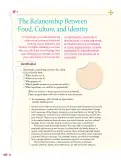
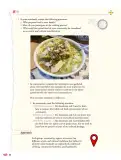
Culture, understood as everything that human beings create and organize into sciences, arts, and industry, allows us to combine different ways of seeing, feeling, and understanding the experiences.

It is shared through traditions and the practices of daily lives with a specific meaning, intention, and significance.

Each community has artistic traditions and sensible experiences that define certain values and its aesthetic sense. These traditions include specific experiences and involve techniques and procedures for making products according to a place's culture, materials, and identity.

The objective of these traditions is to recognize and protect cultural heritage, that is to say, the legacy received from older adults, which is both tangible (what you can see, touch, taste) and intangible (it does not have a physical component, but is shown in the individual and collective behavior, knowledge, forms of expression, and shared spaces in the community).

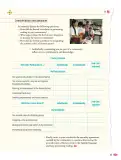
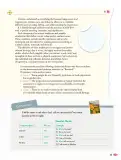
  1. In communities, read the following causes and discuss why they contribute to the above-mentioned problem situations in "Retrieval." If necessary, write another reason.
    • a) Cause 1. Young people do not frequently participate in food preparation, due to gender roles.
    • b) Cause 2. The preparation and presentation of typical food from the community or region is not important nor culturally or artistically representative.
    • c) Cause 3. There are no tools to promote the region's typical food or to identify which foods are part of the community's cultural heritage.

Grammar

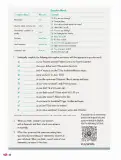
It will be easier to ask about food, culture, and identity if we review question words in English.

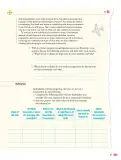
Question Words

To inquire about... We use... Example
a person who A: Who is the lady? B: She is my mom!
a place where A: Where do you live? B: I live in Colombia.
the time when A: When will you arrive? B: I will arrive on Monday.

Ejemplos resueltos

Who is the lady? / Where do you live? / When will you arrive?

Who pregunta por personas: She is my mom. Where pregunta por lugares: I live in Colombia. When pregunta por el tiempo: I will arrive on Monday.

Tabla

Para preguntar por... Usamos... Ejemplo
una persona who A: Who is the lady? B: She is my mom!
un lugar where A: Where do you live? B: I live in Colombia.
el tiempo when A: When will you arrive? B: I will arrive on Monday.

Diagrama

mindmap
  root((Cultura y patrimonio))
    Cultura
      Ciencias
      Artes
      Industria
    Tradiciones
      Técnicas y procedimientos
      Valores y sentido estético
    Patrimonio
      Tangible
        Se ve, toca, prueba
      Intangible
        Comportamiento y conocimiento
        Formas de expresión

Glosario (6)

Culture
Todo lo que los seres humanos crean y organizan en ciencias, artes e industria; maneras de ver, sentir y comprender la experiencia.
Cultural heritage
Patrimonio cultural: legado recibido de los adultos mayores; puede ser tangible o intangible.
Tangible
Tangible: lo que se puede ver, tocar o probar (edificios, platillos, objetos).
Intangible
Intangible: sin componente físico; se muestra en comportamientos, conocimientos, formas de expresión y espacios compartidos.
Gender roles
Roles de género: expectativas sociales sobre lo que deben hacer hombres y mujeres; aquí, asociar la cocina solo a las mujeres.
Question words
Palabras interrogativas: who, where, when, what, etc., usadas para pedir información.

Preguntas para practicar

¿Qué diferencia hay entre patrimonio tangible e intangible?

El tangible tiene componente físico y se puede ver, tocar o probar, como un edificio histórico o un platillo; el intangible no tiene forma material y vive en la conducta, el conocimiento, la expresión y los espacios compartidos, como una receta transmitida oralmente o una festividad.

¿Por qué se dice que los roles de género afectan la participación de los jóvenes en la cocina?

Porque históricamente se asignó la cocina a las mujeres; esa expectativa hace que muchos jóvenes hombres no aprendan a cocinar, lo que reduce las personas capaces de mantener y transmitir las recetas tradicionales de la comunidad.

Temas y conceptos clave

Definición de culturaPatrimonio cultural tangible e intangibleCausas de las situaciones problemáticasQuestion words: who, where, whenculturetangible heritageintangible heritagegender rolesCausequestion wordswho / where / when
¿Te fue útil esta página?

Figuras de la página (2)

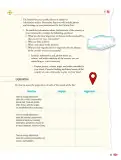
Círculo azul claro con esquina doblada, decorativo.
Figura 1 image
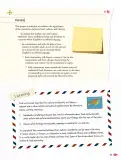
Tarjeta postal con un dibujo de un cañón o mesa paisajística de colores cálidos.
Figura 2 image

Preguntas que la gente también hace

¿Cuál es la diferencia entre patrimonio tangible e intangible?
Consulta la solución completa arriba o explora el libro entero para temas relacionados.
¿Cuándo se usa who, where y when en inglés?
Consulta la solución completa arriba o explora el libro entero para temas relacionados.
¿Por qué los roles de género afectan la transmisión de recetas?
Consulta la solución completa arriba o explora el libro entero para temas relacionados.
📌 Antes de leer esto
  • • Situaciones problemáticas de la página 49
  • • Estructura de preguntas en inglés
Siguiente tema sugerido
Continuar la tabla de question words y avanzar en la fase Approach del proyecto
📝 Transcripción de la página (texto seleccionable) 2148 caracteres

Culture, understood as everything that human beings create and organize into sciences, arts, and industry, allows us to combine different ways of seeing, feeling, and understanding the experiences

It is shared through traditions and the practices of daily lives with a specific meaning, intention, and significance.

Each community has artistic traditions and sensible experiences that define certain values and its aesthetic sense.These traditions include specific experiences and involve techniques and procedures for making products according to a place's culture, materials, and identity.

The objective of these traditions is to recognize and protect cultural heritage, that is to say, the legacy received from older adults, which is both tangible (what you can see, touch, taste) and intangible (it does not have a physical component, but is shown in the individual and collective behavior, knowledge, forms of expression, and shared spaces in the community).

  1. In communities, read the following causes and discuss why they contribute to the above-mentioned problem situations in "Retrieval."

If necessary, write another reason.

a) Cause 1. Young people do not frequently participate in food preparation,due to gender roles.

b) Cause 2. The preparation and presentation of typical food from the community or region is not important nor culturally or artistically representative.

c) Cause 3. There are no tools to promote the region's typical food or to identify which foods are part of the community's cultural heritage.

Grammar

It will be easier to ask about food, culture, and identity if we review question words in English.

,

84

![](page=0,bbox=[776, 243, 1061, 527])

![](page=0,bbox=[893, 1000, 1003, 1139])

Question Words

To inquire about...We use....Example
a pensonwhoA: Who is the lady? B: She is my mom!
a placewhereA: Whenedo you live? B: I live in Colombia.
the timewhenA: When will you arrive? B: I will arrive on Monday.

49

乐

Ad

Otros libros recomendados

Ver todos →
Ad

Usamos cookies propias y de terceros para personalizar contenido, mostrar publicidad y analizar el tráfico. Las cookies necesarias siempre están activas.