















Saltar al contenido
MisLibrosTexto
Ad

Vocabulary: Literary Concepts and Perfect Tenses

📄 ejercicios ingles 🎓 secundaria · 2° Secundaria México 🇲🇽 MX 🗣 Español
Página 168
168 de 171
Página 168 de Uérakua anapu uantakua. Projects and Readings.  Libro de Educación Secundaria Grado 2°  Ciclo Escolar 2025 - 2026
Anterior Página 168 / 171 Siguiente

Respuesta rápida

Ejemplos y oraciones en tiempos perfectos completados para los 13 conceptos literarios.

📚 exercise ingles ⭐⭐ Dificultad 2/5 ⏱ 10 min lectura

Solución — Página 168

Uérakua anapu uantakua. Projects and Readings. Libro de Educación Secundaria Grado 2° Ciclo Escolar 2025 - 2026

1
Ejercicio 1

Read the concepts and definitions, provide an example of each, and use the examples to create sentences using the perfect tenses.

  1. legend — Ejemplo: La Nahuala (leyenda mexicana). Oración: I have heard about the legend of the Nahuala.
  2. folk tale — Ejemplo: The Three Little Pigs. Oración: She has read the folk tale to her little brother many times.
  3. fable — Ejemplo: The Tortoise and the Hare. Oración: We have learned the fable's moral: slow and steady wins the race.
  4. parable — Ejemplo: The Good Samaritan. Oración: He had studied the parable before the religion class.
  5. myth — Ejemplo: The Myth of Quetzalcoatl. Oración: They have studied the myth of Quetzalcoatl in history class.
  6. tragedy — Ejemplo: Romeo and Juliet. Oración: I have watched the tragedy Romeo and Juliet twice.
  7. fantasy — Ejemplo: Harry Potter and the Sorcerer's Stone. Oración: She has written a fantasy story about dragons and wizards.
  8. theme — Ejemplo: The theme of The Lion King is the circle of life. Oración: We have discussed the theme of the story in class.
  9. moral — Ejemplo: The moral of The Boy Who Cried Wolf is to always tell the truth. Oración: The teacher has explained the moral of the fable.
  10. oral tradition — Ejemplo: The Nahuatl stories passed down by grandparents. Oración: Our grandparents have kept the oral tradition alive.
  11. cultural context — Ejemplo: The Day of the Dead in Mexican stories. Oración: The author has described the cultural context of the story.
  12. characterization — Ejemplo: The description of Harry Potter's scar and bravery. Oración: The writer has used characterization to make the hero believable.
  13. dialect — Ejemplo: The Spanish spoken in Yucatán. Oración: The characters have spoken in a regional dialect.
Respuesta

Ejemplos y oraciones completadas para los 13 conceptos.
Contenido de la página

Vocabulary

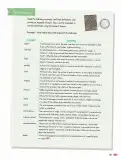
Read the following concepts, and their definitions, and provide an example of each. Also, use the examples to create sentences using the perfect tenses.

Example: I have heard about the legend of the Nahuala.

Concept Definition
legend A widespread story about the past, one that may or may not be based on fact. Every culture has its own familiar, traditional stories.
folk tale An entertaining story –often dealing with heroes, adventure, magic, or romance– orally composed and then passed from person to person by word of mouth, reflecting their cultural beliefs and their environment.
fable A brief story, usually with animal characters, that teaches a lesson, or moral, which is frequently stated at the end.
parable A short story intended to teach or convey a moral truth; related to a culture's religious or spiritual beliefs.
myth A fictional story about the actions of gods or heroes, or the origins of elements of nature, and that is part of the oral tradition. Every ancient culture has its own collection of such stories.
tragedy A work of literature (often plays) related to a catastrophe for the main character. It is intended to arouse fear and pity in the audience, and to convey a sense of the grandeur and nobility of the human spirit.
fantasy Highly imaginative writing that contains fictional elements. Examples include stories that involve supernatural elements, stories that resemble fairy tales, and stories that deal with imaginary people, places, and creatures.
theme The central message or insight about life. It often reflects a belief, an attitude, or a value of the culture from which the story comes.
moral The wise message conveyed at the end of a story that states its lesson to the reader or spectator.
oral tradition The transmission of songs, stories, and poems from generation to generation by word of mouth. Folk tales, myths, legends, fables, and parables are part of it.
cultural context The background, customs, values, and beliefs of the particular culture and people who originally told the story.
characterization The process by which writers create and develop a character –often when describing a character's traits; revealing a character's personality from their appearance, speech, and actions, and describing what others in the story think about the character.
dialect A form of language and vocabulary that is characteristic of a specific group or region.

Ejemplos resueltos

Provide an example of 'legend' and use it in a sentence with perfect tenses.

Ejemplo: La Nahuala. Oración: I have heard about the legend of the Nahuala.

Tabla

Concept Definition
legend A widespread story about the past, one that may or may not be based on fact. Every culture has its own familiar, traditional stories.
folk tale An entertaining story –often dealing with heroes, adventure, magic, or romance– orally composed and then passed from person to person by word of mouth, reflecting their cultural beliefs and their environment.
fable A brief story, usually with animal characters, that teaches a lesson, or moral, which is frequently stated at the end.
parable A short story intended to teach or convey a moral truth; related to a culture's religious or spiritual beliefs.
myth A fictional story about the actions of gods or heroes, or the origins of elements of nature, and that is part of the oral tradition. Every ancient culture has its own collection of such stories.
tragedy A work of literature (often plays) related to a catastrophe for the main character. It is intended to arouse fear and pity in the audience, and to convey a sense of the grandeur and nobility of the human spirit.
fantasy Highly imaginative writing that contains fictional elements. Examples include stories that involve supernatural elements, stories that resemble fairy tales, and stories that deal with imaginary people, places, and creatures.
theme The central message or insight about life. It often reflects a belief, an attitude, or a value of the culture from which the story comes.
moral The wise message conveyed at the end of a story that states its lesson to the reader or spectator.
oral tradition The transmission of songs, stories, and poems from generation to generation by word of mouth. Folk tales, myths, legends, fables, and parables are part of it.
cultural context The background, customs, values, and beliefs of the particular culture and people who originally told the story.
characterization The process by which writers create and develop a character –often when describing a character's traits; revealing a character's personality from their appearance, speech, and actions, and describing what others in the story think about the character.
dialect A form of language and vocabulary that is characteristic of a specific group or region.

Glosario (13)

legend
A widespread story about the past, one that may or may not be based on fact.
folk tale
An entertaining story –often dealing with heroes, adventure, magic, or romance– orally composed and then passed from person to person by word of mouth.
fable
A brief story, usually with animal characters, that teaches a lesson, or moral, which is frequently stated at the end.
parable
A short story intended to teach or convey a moral truth; related to a culture's religious or spiritual beliefs.
myth
A fictional story about the actions of gods or heroes, or the origins of elements of nature, and that is part of the oral tradition.
tragedy
A work of literature (often plays) related to a catastrophe for the main character.
fantasy
Highly imaginative writing that contains fictional elements.
theme
The central message or insight about life.
moral
The wise message conveyed at the end of a story that states its lesson to the reader or spectator.
oral tradition
The transmission of songs, stories, and poems from generation to generation by word of mouth.
cultural context
The background, customs, values, and beliefs of the particular culture and people who originally told the story.
characterization
The process by which writers create and develop a character.
dialect
A form of language and vocabulary that is characteristic of a specific group or region.

Temas y conceptos clave

Vocabulario literarioTiempos perfectos en ingléslegendfolk talefableparablemythtragedyfantasythememoraloral traditioncultural contextcharacterizationdialect
¿Te fue útil esta página?

Figuras de la página (1)

Sello postal con un diseño circular y la palabra 'CASA' en el centro.
Figura 1 image

Preguntas que la gente también hace

¿Qué diferencia hay entre un mito y una leyenda?
Consulta la solución completa arriba o explora el libro entero para temas relacionados.
¿Cómo se usan los tiempos perfectos en inglés?
Consulta la solución completa arriba o explora el libro entero para temas relacionados.
¿Cuáles son los elementos de una fábula?
Consulta la solución completa arriba o explora el libro entero para temas relacionados.
📌 Antes de leer esto
  • • Conocimiento básico de tiempos verbales en inglés
  • • Vocabulario elemental de literatura
Siguiente tema sugerido
Reading Comprehension: Myths and Legends
📝 Transcripción de la página (texto seleccionable) 2853 caracteres

Vocabulary

Read the following concepts, and their definitions, and provide an example of each. Also, use the examples to create sentences using the perfect tenses.

![](page=0,bbox=[846, 146, 1100, 306])

Example: I have heard about the legend of the Nahuala.

ConceptDefinition
legendA widespread story about the past, one that may or may not be based on fact. Every culture has its own familian; traditional stonies.
folk taleAn entertaining story -often dealing with heroes, adventure, magic,or romance- orally composed and then passed from person to person by word of
fablemouth, reflecting their cultural beliefs and their environment. A brief story, usually with animal chanacters,that teaches alesson,or moral, which is frequently stated at the end.
parableA short story intended to teach or convey a moral truth; related to a culture's religious or spinitual beliefs.
mythA fictional story about the actions of gods or heroes, or the origins of elements of nature, and that is pant of the oral tradition. Every ancient culture has its own collection of such stories.
tragedyA work of litenature(often plays) related to a catastrophe for the main chanacten: It is intended to arouse fear and pity in the audience, and to convey a sense of the grandeur and nobility of the human spinit.
fantasyHighly imaginative wniting that contains fictional elements. Examples include stories that involve supernatunal elements, stories that resemble fairy tales, and stonies that deal with imaginary people, places, and creatures.
themeThe central messoge or insight about life. It often reflects a belief, an attitude, or a value of the culture from which the story comes.
moralThe wise message conveyed at the end of a story that states its lesson to the reader or spectaton:
oral traditionThe transmission of songs, stories, and poems from genenation to generation by wond of mouth.Folk tales, myths,legends, fables, and parables ane pant of it.
cultural contextThe background, customs, values, and beliefs of the panticular culture and people who originally told the story.
characterizationThe process by which wniters create and develop a chanacter -often when descnibing a character's traits; revealing a chanacter's personality from thein appearance, speech, and actions, and describing what othens in the story think about the character.
dialectA form of language and vocabulary that is chanactenistic of a specific group or region.8

167

8

Ad

Otros libros recomendados

Ver todos →
Ad

Usamos cookies propias y de terceros para personalizar contenido, mostrar publicidad y analizar el tráfico. Las cookies necesarias siempre están activas.