















Saltar al contenido
MisLibrosTexto
Ad

Reported Commands: ejercicios de identificación y gramática

📄 ejercicios ingles 🎓 bachillerato · 3° Secundaria México 🇲🇽 MX 🗣 Español
Página 163
163 de 187
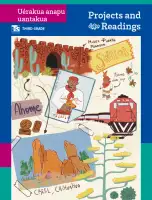
Página 163 de Uérakua anapu uantakua. Projects and Readings.  Libro de Educación Secundaria Grado 3°  Ciclo Escolar 2025 - 2026
Anterior Página 163 / 187 Siguiente

Respuesta rápida

III-a) Making Slime; IV-c) Growing Crystals; V-d) Lava Lamp. Reported commands: told/asked/advised + to + verbo (afirmativo) o not to + verbo (negativo).

📚 exercise ingles ⭐⭐ Dificultad 2/5 ⏱ 6 min lectura

Solución — Página 163

Uérakua anapu uantakua. Projects and Readings. Libro de Educación Secundaria Grado 3° Ciclo Escolar 2025 - 2026

1
Ejercicio 1

Ejercicio III

Combine white glue with water in a bowl. (Combina pegamento blanco con agua en un tazón.)

  1. La instrucción menciona pegamento blanco y agua, materiales típicos de una mezcla polimérica.
  2. El experimento que usa pegamento blanco con agua es el slime.
  3. Los demás experimentos usan otros materiales: volcán (bicarbonato y vinagre), cristales (sal o azúcar) y lámpara de lava (aceite y agua).

Ejercicio IV

Place a string or pipe cleaner in the solution. (Coloca un cordel o limpiapipas en la solución.)

  1. Un cordel o limpiapipas se usa como soporte para que los cristales se adhieran y crezcan.
  2. En el experimento de cristales se suspende el cordel en una solución sobresaturada.
  3. En slime, volcán o lámpara de lava no se usa cordel.

Respuesta: c) Growing Crystals

Ejercicio V

Drop a few drops of food coloring into the bottle. (Echa unas gotas de colorante en la botella.)

  1. El colorante alimentario se usa para dar color a líquidos.
  2. La lámpara de lava se hace en una botella con aceite, agua y colorante.
  3. Los otros experimentos no requieren colorante en una botella.

Respuesta: d) Lava Lamp

Respuesta

a) Making Slime

3
Ejercicio 3

Compare your answers with another pair. (Compara tus respuestas con otra pareja.)

  1. Revisa tus respuestas de los ejercicios III, IV y V.
  2. Compara con otra pareja y justifica cada elección mencionando los materiales.
  3. Corrijan juntos si hay diferencias.

Respuesta orientativa: Las respuestas correctas son III-a, IV-c, V-d; la comparación permite verificar la comprensión de los materiales de cada experimento.

Grammar: Reported Commands

  1. In community, read the following grammar explanation and write more examples on the board. (En comunidad, lean la explicación y escriban más ejemplos en el pizarrón.)

Un reported command (orden en estilo indirecto) se usa para transmitir una orden, petición o instrucción dada por otra persona. Se emplea un verbo de reporte como tell, advise o ask en pasado, seguido de la orden en una cláusula subordinada.

Structure (Estructura):

  • Affirmative commands: reporting verb in past tense + to-infinitive
  • Negative commands: reporting verb in past tense + not + to-infinitive

Ejemplos adicionales:

  • Direct: "Close the window," she said. → Reported: She told me to close the window.
  • Direct: "Don't touch that," he said. → Reported: He told me not to touch that.
  • Direct: "Please help me," Ana said. → Reported: Ana asked me to help her.

Respuesta orientativa: Se transforman las órdenes directas en indirectas usando told/asked/advised + to + verbo (afirmativo) o not to + verbo (negativo).

Contenido de la página

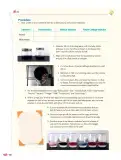
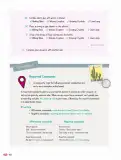
III. Combine white glue with water in a bowl. a) Making Slime b) Volcano Eruption c) Growing Crystals d) Lava Lamp

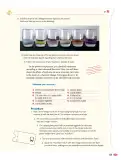
IV. Place a string or pipe cleaner in the solution. a) Making Slime b) Volcano Eruption c) Growing Crystals d) Lava Lamp

V. Drop a few drops of food coloring into the bottle. a) Making Slime b) Volcano Eruption c) Growing Crystals d) Lava Lamp

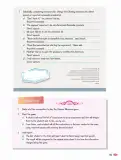
  1. Compare your answers with another pair.

Grammar

Reported Commands

  1. In community, read the following grammar explanation and write more examples on the board.

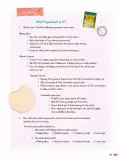
A reported command is when you use indirect speech to convey an order, request, or instruction given by someone else. When we are reporting a command, we typically use a reporting verb like tell, advise or ask in past tense, followed by the reported command in a subordinate clause.

Structure

  • Affirmative commands: reporting verb in past tense + to-infinitive
  • Negative commands: reporting verb in past tense + not + to-infinitive
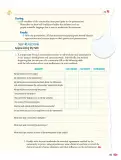
Affirmative commands Negative commands
Direct speech: Dad: "Do your homework." / "Do your homework," my dad said. Direct speech: Teacher: "Don't play in class." / "Don't play in class," the teacher said.
Reported command: My dad told me to do my homework. Reported command: The teacher told us not to play in class.

Ejemplos resueltos

Dad: "Do your homework."

My dad told me to do my homework.

Teacher: "Don't play in class."

The teacher told us not to play in class.

Tabla

Affirmative commands Negative commands
Direct speech: Dad: "Do your homework." / "Do your homework," my dad said. Direct speech: Teacher: "Don't play in class." / "Don't play in class," the teacher said.
Reported command: My dad told me to do my homework. Reported command: The teacher told us not to play in class.

Glosario (5)

reported command
Orden transmitida en estilo indirecto.
direct speech
Discurso directo, con comillas.
reporting verb
Verbo que introduce lo dicho (tell, ask, advise).
to-infinitive
Infinitivo con to (to do, to play).
subordinate clause
Cláusula subordinada que completa el sentido.

Preguntas para practicar

In community, read the following grammar explanation and write more examples on the board.

Se lee la explicación y se escriben ejemplos como: 'She told me to close the window' y 'He told me not to touch that'. Se identifican el verbo de reporte en pasado y el to-infinitive.

Temas y conceptos clave

Reported commandsIdentificación de experimentos según instruccionesreported commanddirect speechindirect speechto-infinitivereporting verb
¿Te fue útil esta página?

Figuras de la página (2)

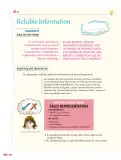
Número de página 162 con un pequeño ícono decorativo.
Figura 1 image
Ilustración de un cactus en un paisaje desértico con un sello postal.
Figura 2 image

Preguntas que la gente también hace

¿Cómo se convierten órdenes directas a estilo indirecto en inglés?
Consulta la solución completa arriba o explora el libro entero para temas relacionados.
¿Qué materiales se necesitan para hacer slime, cristales y lámpara de lava?
Consulta la solución completa arriba o explora el libro entero para temas relacionados.
¿Cuál es la diferencia entre affirmative y negative commands en reported speech?
Consulta la solución completa arriba o explora el libro entero para temas relacionados.
📌 Antes de leer esto
  • • Uso del imperativo en inglés
  • • Verbos tell, ask, advise en pasado
  • • Vocabulario de materiales de laboratorio
Siguiente tema sugerido
Reported questions y reported statements
📝 Transcripción de la página (texto seleccionable) 1455 caracteres

III.Combine white glue with water in a bowl. a)Making Slime b) Volcano Eruption c) Growing Crystals sd)Lava Lamp

IV. Place a string or pipe cleaner in the solution.

a) Making Slime b) Volcano Eruption c)Growing Crystals d)Lava Lamp

V. Drop a few drops of food coloring into the bottle. a) Making Slime b)Volcano Eruption c)Growing Crystals d)Lava Lamp

PAA

3. Compare your answers with another pair:

Grammar

Reported Commands

In community, read the following grammar explanation and write more examples on the board.

A reported command is when you use indirect speech to convey an order; request, or instruction given by someone else. When we are reporting a command, we typically use a reporting verb like tell, advise or ask in past tense, followed by the reported command in a subordinate clause.

Structure

•Affirmative commands: reporting verb in past tense + to-infinitive •Negative commands: reporting verb in past tense + not + to-infinitive

![](page=0,bbox=[178, 754, 258, 881])

![](page=0,bbox=[889, 637, 1111, 880])

Affirmative commandsNegative commands
Dinect speech: Dad:"Do your homework." "Do your homework,"my dad said. Reported command: My dad told me to domy homework.Direct speech: Teacher:"Don't play in class." "Don't play in class,'the teacher said. Reported command: The teacher told us not to play in class.

C162

Ad

Otros libros recomendados

Ver todos →
Ad

Usamos cookies propias y de terceros para personalizar contenido, mostrar publicidad y analizar el tráfico. Las cookies necesarias siempre están activas.