Saltar al contenido
MisLibrosTexto
Ad

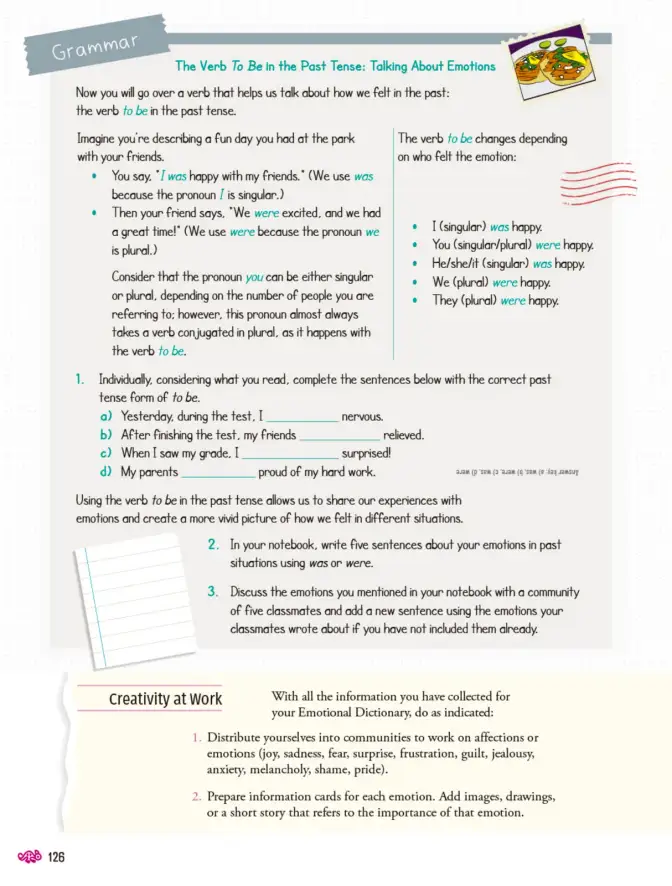
The Verb To Be in the Past Tense: Talking About Emotions

📄 ejercicios ingles 🎓 otro · 1° TELESECUNDARIA México 🇲🇽 MX 🗣 Español
Página 127
127 de 187
Página 127 de Uérakua anapu uantakua. Projects and Readings.  Libro de Educación Telesecundaria Grado 1°  Ciclo Escolar 2025 - 2026
Anterior Página 127 / 187 Siguiente

Respuesta rápida

1.a) was; 1.b) were; 1.c) was; 1.d) were. Ejercicio 2 y 3: respuestas libres con was/were.

📚 exercise ingles ⭐ Dificultad 1/5 ⏱ 8 min lectura

Solución — Página 127

Uérakua anapu uantakua. Projects and Readings. Libro de Educación Telesecundaria Grado 1° Ciclo Escolar 2025 - 2026

1
Ejercicio 1

Completa las oraciones con la forma correcta del pasado del verbo to be.

a
Parte 1.a

Enunciado: Yesterday, during the test, I ______ nervous.

  1. El sujeto es I (singular).
  2. La forma pasada de to be para I es was.
  3. Oración completa: Yesterday, during the test, I was nervous.
Respuesta

was

b
Parte 1.b

Enunciado: After finishing the test, my friends ______ relieved.

  1. El sujeto es my friends (plural).
  2. La forma pasada de to be para sujetos plurales es were.
  3. Oración completa: After finishing the test, my friends were relieved.
Respuesta

were

c
Parte 1.c

Enunciado: When I saw my grade, I ______ surprised!

  1. El sujeto es I (singular).
  2. La forma pasada de to be para I es was.
  3. Oración completa: When I saw my grade, I was surprised!
Respuesta

was

d
Parte 1.d

Enunciado: My parents ______ proud of my hard work.

  1. El sujeto es my parents (plural).
  2. La forma pasada de to be para sujetos plurales es were.
  3. Oración completa: My parents were proud of my hard work.
Respuesta

were

2
Ejercicio 2

Escribe cinco oraciones sobre tus emociones en situaciones pasadas usando was o were.

Respuesta orientativa:

  1. I was excited when I won the school contest.
  2. My sister and I were happy at the birthday party.
  3. I was nervous before my first English exam.
  4. They were surprised by the final result.
  5. We were proud of our team's effort.
3
Ejercicio 3

Comparte tus emociones con cinco compañeros y agrega una oración nueva con las emociones que ellos escribieron.

Respuesta orientativa:

Al comparar las oraciones, se pueden añadir emociones no incluidas, por ejemplo: I was frustrated when I lost my notebook o We were anxious before the presentation. Así se amplía el vocabulario emocional y se practica la concordancia con was/were.

Creativity at Work

Paso 1

Formen comunidades para trabajar una emoción (joy, sadness, fear, surprise, frustration, guilt, jealousy, anxiety, melancholy, shame, pride).

Respuesta orientativa: Cada equipo elige una emoción y la define brevemente; por ejemplo, joy es la sensación de felicidad intensa que sentimos cuando algo bueno ocurre.

Paso 2

Elaboren tarjetas informativas para cada emoción con imágenes, dibujos o una historia corta que muestre su importancia.

Respuesta orientativa: La tarjeta debe incluir el nombre de la emoción, una definición sencilla, un ejemplo en pasado con was/were y una imagen o dibujo representativo. Por ejemplo: Fear: I was afraid of the dark when I was a child.

Contenido de la página

Grammar

The Verb To Be in the Past Tense: Talking About Emotions

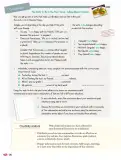
Now you will go over a verb that helps us talk about how we felt in the past: the verb to be in the past tense.

Imagine you're describing a fun day you had at the park with your friends.

  • You say, "I was happy with my friends." (We use was because the pronoun I is singular.)
  • Then your friend says, "We were excited, and we had a great time!" (We use were because the pronoun we is plural.)

Consider that the pronoun you can be either singular or plural, depending on the number of people you are referring to; however, this pronoun almost always takes a verb conjugated in plural, as it happens with the verb to be.

The verb to be changes depending on who felt the emotion:

  • I (singular) was happy.
  • You (singular/plural) were happy.
  • He/she/it (singular) was happy.
  • We (plural) were happy.
  • They (plural) were happy.
  1. Individually, considering what you read, complete the sentences below with the correct past tense form of to be. a) Yesterday, during the test, I ______ nervous. b) After finishing the test, my friends ______ relieved. c) When I saw my grade, I ______ surprised! d) My parents ______ proud of my hard work.

Using the verb to be in the past tense allows us to share our experiences with emotions and create a more vivid picture of how we felt in different situations.

  1. In your notebook, write five sentences about your emotions in past situations using was or were.

  2. Discuss the emotions you mentioned in your notebook with a community of five classmates and add a new sentence using the emotions your classmates wrote about if you have not included them already.

Creativity at Work

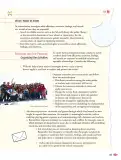
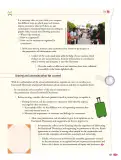
With all the information you have collected for your Emotional Dictionary, do as indicated:

  1. Distribute yourselves into communities to work on affections or emotions (joy, sadness, fear, surprise, frustration, guilt, jealousy, anxiety, melancholy, shame, pride).

  2. Prepare information cards for each emotion. Add images, drawings, or a short story that refers to the importance of that emotion.

Ejemplos resueltos

I ______ happy with my friends.

El sujeto I es singular, por lo que se usa was: I was happy with my friends.

We ______ excited, and we had a great time!

El sujeto we es plural, por lo que se usa were: We were excited, and we had a great time!

Tabla

Subject Past form of to be Example
I was I was happy.
You were You were happy.
He/She/It was She was happy.
We were We were happy.
They were They were happy.

Diagrama

graph TD
  A[Verb to be in past] --> B[Singular]
  A --> C[Plural]
  B --> D[I was]
  B --> E[He/She/It was]
  C --> F[You were]
  C --> G[We were]
  C --> H[They were]

Glosario (7)

was
Forma pasada del verbo to be para sujetos singulares (I, he, she, it).
were
Forma pasada del verbo to be para sujetos plurales (we, you, they).
nervous
Nervioso/a.
relieved
Aliviado/a.
surprised
Sorprendido/a.
proud
Orgulloso/a.
emotion
Emoción.

Preguntas para practicar

Why do we use was with I but were with we?

Because was is the past form for singular subjects and were is the past form for plural subjects. The pronoun I is singular, while we is plural.

Temas y conceptos clave

Verbo to be en pasadoWas y wereEmociones en ingléswasweresingularpluralpast tenseemotions
¿Te fue útil esta página?

Figuras de la página (2)

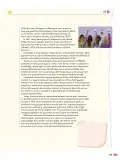
Ilustración de un plato con comida y bebida sobre una mesa.
Figura 1 image
Ilustración de una hoja de cuaderno con líneas.
Figura 2 image

Preguntas que la gente también hace

¿Cuándo se usa was y cuándo were en inglés?
Consulta la solución completa arriba o explora el libro entero para temas relacionados.
¿Cómo se dice 'yo estaba feliz' en inglés?
Consulta la solución completa arriba o explora el libro entero para temas relacionados.
¿Cómo expresar emociones en pasado en inglés?
Consulta la solución completa arriba o explora el libro entero para temas relacionados.
📌 Antes de leer esto
  • • Pronombres personales en inglés
  • • Verbo to be en presente
  • • Vocabulario básico de emociones
Siguiente tema sugerido
Past simple regular verbs
📝 Transcripción de la página (texto seleccionable) 2190 caracteres

Grammar

The Verb To Be in the Past Tense: Talking About Emotions

Now you will go over a verb that helps us talk about how we felt in the past:the verb to be in the past tense.

Imagine you're describing a fun day you had at the park with your friends.

•You say,"I was happy with my friends."(We use was because the pronoun I is singular.)

0Then your friend says, "We were excited, and we had a great time!"'(We use were because the pronoun we is plural.)

Consider that the pronoun you can be either singular or plural, depending on the number of people you are referring to; however, this pronoun almost always takes a verb conjugated in plural, as it happens with the verb to be.

The verb to be changes depending on who felt the emotion:

I (singular) was happy.

You (singular/plural) were happy.

He/she/it (singular) was happy.

We (plural) werehappy.

They (plural) were happy.

1.Individually, considering what you read, complete the sentences below with the correct past tense form of to be.

a) Yesterday, during the test, I nervous.

b) After finishing the test, my friends relieved.

c) When I saw my grade,I surprised!

d) My parents proud of my hard work.auam (p"sem(aam (g'sem (e:axJamsuy

Using the verb to be in the past tense allows us to share our experiences with emotions and create a more vivid picture of how we felt in different situations.

  1. In your notebook, write five sentences about your emotions in past situations using was or were.

  2. Discuss the emotions you mentioned in your notebook with a community of five classmates and add a new sentence using the emotions your classmates wrote about if you have not included them already.

Creativity at Work

With all the information you have collected for your Emotional Dictionary, do as indicated:

  1. Distribute yourselves into communities to work on affections or emotions (joy, sadness, fear, surprise, frustration, guilt, jealousy,anxiety, melancholy, shame, pride).

  2. Prepare information cards for each emotion. Add images, drawings,or a short story that refers to the importance of that emotion.

![](page=0,bbox=[1010, 291, 1149, 371])

![](page=0,bbox=[128, 966, 353, 1207])

福

A

126
Ad

Otros libros recomendados

Ver todos →
Ad

Usamos cookies propias y de terceros para personalizar contenido, mostrar publicidad y analizar el tráfico. Las cookies necesarias siempre están activas.