Saltar al contenido
MisLibrosTexto
Ad

Finding the Cause: Simple Past Tense with Regular Verbs

📄 teoria ingles 🎓 otro · 1° TELESECUNDARIA México 🇲🇽 MX 🗣 Español
Página 133
133 de 187
Página 133 de Uérakua anapu uantakua. Projects and Readings.  Libro de Educación Telesecundaria Grado 1°  Ciclo Escolar 2025 - 2026
Anterior Página 133 / 187 Siguiente

Respuesta rápida

Pasado simple regular: -ed. Negativo: didn't + verbo base. Interrogativo: Did + sujeto + verbo base. Mujeres: Curie, Sor Juana, Kahlo, Earhart, Austen, Thatcher. En México votan desde 1955.

📚 theory ingles ⭐⭐ Dificultad 2/5 ⏱ 8 min lectura

Solución — Página 133

Uérakua anapu uantakua. Projects and Readings. Libro de Educación Telesecundaria Grado 1° Ciclo Escolar 2025 - 2026

1
Ejercicio 1

In communities, read the following grammar table about simple past tense.

  1. Se lee la tabla gramatical sobre el Simple Past Tense (With Regular Verbs).
  2. Se identifican las tres formas: afirmativa, negativa e interrogativa.
  3. Se observa que los verbos regulares forman el pasado agregando -ed al final.
  4. En negativa e interrogativa se usa el auxiliar did / did not (didn't) y el verbo vuelve a su forma base.

Respuesta orientativa: La tabla muestra que el pasado simple describe acciones completadas en un tiempo específico del pasado y hábitos pasados. Los verbos regulares se forman agregando -ed (discovered, studied, created, traveled, governed). En negativo se usa did not + verbo en forma base, y en interrogativo did + sujeto + verbo en forma base.

2
Ejercicio 2

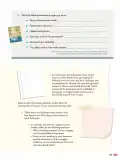
Analiza los ejemplos de la tabla y clasifícalos según su forma (afirmativa, negativa o interrogativa).

  1. Marie Curie discovered radioactivity. → Afirmativa.
  2. Sor Juana Inés de la Cruz studied at the university. → Afirmativa.
  3. Frida Kahlo didn't paint murals, but she created many valuable paintings. → Negativa + afirmativa.
  4. Amelia Earhart did not travel by boat. She traveled by plane. → Negativa + afirmativa.
  5. Did Jane Austen work in literature? Yes, she did. → Interrogativa + respuesta corta.
  6. Did Margaret Thatcher govern the USA? No, she governed the UK. → Interrogativa + respuesta corta.
Respuesta

1 y 2 afirmativas; 3 y 4 negativas; 5 y 6 interrogativas.

3
Ejercicio 3

Identifica en la lectura las mujeres mencionadas y el logro o aporte asociado a cada una.

  1. Marie Curie: descubrió la radiactividad (discovered radioactivity).
  2. Sor Juana Inés de la Cruz: estudió en la universidad (studied at the university).
  3. Frida Kahlo: no pintó murales, pero creó valiosas pinturas (didn't paint murals, created valuable paintings).
  4. Amelia Earhart: no viajó en barco, viajó en avión (did not travel by boat, traveled by plane).
  5. Jane Austen: trabajó en literatura (worked in literature).
  6. Margaret Thatcher: gobernó el Reino Unido, no Estados Unidos (governed the UK).
Respuesta

Seis mujeres destacadas en ciencia, arte, aviación, literatura y política.

Ad
4
Ejercicio 4

Responde: ¿Qué derecho obtuvieron las mujeres en México en 1955 según la lectura?

  1. La lectura cita a la Comisión Nacional de los Derechos Humanos (CNDH).
  2. Indica que desde 1955 las mujeres pueden participar en elecciones.
  3. Pueden ejercer su derecho al voto.
Respuesta

El derecho a votar y participar en elecciones en México desde 1955.

Contenido de la página

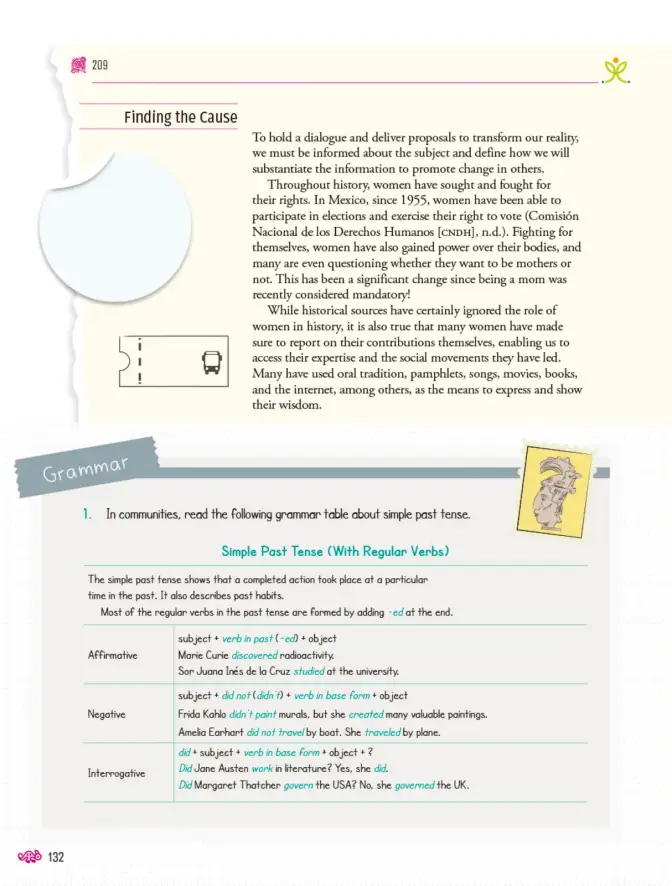
Finding the Cause

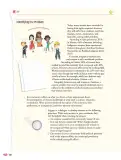
To hold a dialogue and deliver proposals to transform our reality, we must be informed about the subject and define how we will substantiate the information to promote change in others.

Throughout history, women have sought and fought for their rights. In Mexico, since 1955, women have been able to participate in elections and exercise their right to vote (Comisión Nacional de los Derechos Humanos [CNDH], n.d.). Fighting for themselves, women have also gained power over their bodies, and many are even questioning whether they want to be mothers or not. This has been a significant change since being a mom was recently considered mandatory!

While historical sources have certainly ignored the role of women in history, it is also true that many women have made sure to report on their contributions themselves, enabling us to access their expertise and the social movements they have led. Many have used oral tradition, pamphlets, songs, movies, books, and the internet, among others, as the means to express and show their wisdom.

Grammar

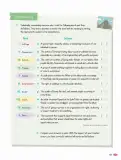
  1. In communities, read the following grammar table about simple past tense.

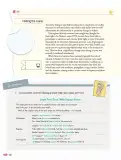
Simple Past Tense (With Regular Verbs)

The simple past tense shows that a completed action took place at a particular time in the past. It also describes past habits.

Most of the regular verbs in the past tense are formed by adding -ed at the end.

Forma Estructura y ejemplos
Affirmative subject + verb in past (-ed) + object. Marie Curie discovered radioactivity. Sor Juana Inés de la Cruz studied at the university.
Negative subject + did not (didn't) + verb in base form + object. Frida Kahlo didn't paint murals, but she created many valuable paintings. Amelia Earhart did not travel by boat. She traveled by plane.
Interrogative did + subject + verb in base form + object + ? Did Jane Austen work in literature? Yes, she did. Did Margaret Thatcher govern the USA? No, she governed the UK.

Ejemplos resueltos

Marie Curie discovered radioactivity.

Afirmativa: sujeto + verbo en pasado (-ed) + objeto. discovered es el pasado regular de discover.

Frida Kahlo didn't paint murals, but she created many valuable paintings.

Negativa: sujeto + didn't + verbo en forma base (paint). Luego afirmativa con created.

Did Jane Austen work in literature? Yes, she did.

Interrogativa: Did + sujeto + verbo en forma base (work). Respuesta corta: Yes, she did.

Tabla

Forma Estructura Ejemplo
Affirmative subject + verb in past (-ed) + object Marie Curie discovered radioactivity.
Negative subject + did not (didn't) + verb in base form + object Frida Kahlo didn't paint murals.
Interrogative did + subject + verb in base form + object + ? Did Jane Austen work in literature?

Diagrama

graph TD
A[Simple Past Tense] --> B[Affirmative]
A --> C[Negative]
A --> D[Interrogative]
B --> B1[subject + verb-ed + object]
C --> C1[subject + didn't + base verb + object]
D --> D1[Did + subject + base verb + object?]

Fórmulas y ecuaciones

subject + verb in past (-ed) + object

subject + did not (didn't) + verb in base form + object

did + subject + verb in base form + object + ?

Glosario (6)

simple past tense
Tiempo verbal que expresa acciones completadas en el pasado.
regular verb
Verbo que forma su pasado agregando -ed.
base form
Forma base del verbo, sin conjugación (work, travel, govern).
right to vote
Derecho al voto.
oral tradition
Tradición oral, transmisión de conocimientos de forma hablada.
pamphlet
Folleto o panfleto informativo.

Preguntas para practicar

¿Por qué es importante que las mujeres documenten sus propias contribuciones a la historia?

Porque las fuentes históricas tradicionales han ignorado su papel, y al narrar sus aportes se visibilizan sus logros, movimientos sociales y saberes. Esto permite construir una historia más completa e incluyente.

¿Qué medios han usado las mujeres para expresar y mostrar su sabiduría?

Han usado la tradición oral, panfletos, canciones, películas, libros e internet, entre otros medios.

Temas y conceptos clave

Lectura sobre el papel de las mujeres en la historiaSimple past tense con verbos regularesFormas afirmativa, negativa e interrogativaSimple past tenseRegular verbs (-ed)Auxiliar did / didn'tVerbo en forma baseDerechos de las mujeres

Fuentes y referencias

  • Comisión Nacional de los Derechos Humanos (CNDH), México
¿Te fue útil esta página?

Figuras de la página (2)

Ilustración de un boleto o ticket con un autobús.
Figura 1 image
Ícono decorativo verde con figura estilizada.
Figura 2 image

Preguntas que la gente también hace

¿Cómo se forma el pasado simple de los verbos regulares en inglés?
Consulta la solución completa arriba o explora el libro entero para temas relacionados.
¿Cuándo se usa did y didn't en inglés?
Consulta la solución completa arriba o explora el libro entero para temas relacionados.
¿Qué mujeres destacadas se mencionan en la lectura y qué logros tuvieron?
Consulta la solución completa arriba o explora el libro entero para temas relacionados.
📌 Antes de leer esto
  • • Reconocer el verbo en forma base
  • • Identificar sujeto y objeto en una oración
  • • Conocer pronombres personales en inglés
Siguiente tema sugerido
Simple past tense with irregular verbs
📝 Transcripción de la página (texto seleccionable) 2106 caracteres

To hold a dialogue and deliver proposals to transform our reality,we must be informed about the subject and define how we will substantiate the information to promote change in others.

Throughout history, women have sought and fought for their rights. In Mexico, since 1955, women have been able to participate in elections and exercise their right to vote (Comisión Nacional de los Derechos Humanos [cNDH], n.d.). Fighting for themselves, women have also gained power over their bodies, and many are even questioning whether they want to be mothers or not. This has been a significant change since being a mom was recently considered mandatory!

While historical sources have certainly ignored the role of women in history, it is also true that many women have made sure to report on their contributions themselves, enabling us to access their expertise and the social movements they have led.Many have used oral tradition, pamphlets, songs, movies, books,and the internet, among others, as the means to express and show their wisdom.

Grammar

  1. In communities, read the following grammar table about simple past tense.

Simple Past Tense (With Regular Verbs)

The simple past tense shows that a completed action took place at a particulan time in the past. It also describes past habits.

Most of the regular verbs in the past tense are formed by adding -ed at the end.

0209

災.

![](page=0,bbox=[64, 189, 426, 744])

![](page=0,bbox=[931, 800, 1099, 969])

Affirmativesubject + verb in past(-ed) + object Marie Curie discovered radioactivity. Sor Juana Inés de la Cruz studied at the university.
Negativesubject + did not(didn't) + verb in base form+ object Frida Kahlo didn'f paint murals, but she created many valuable paintings. Amelia Earhant did not travel by boat. She traveled by plane.
Interrogativedid + subject + verb in base form+ object + ? Did Jane Austen wonk in litenatune? Yes, she did. Did Margaret Thatcher govern the USA? No, she governed the UK.

o

132
Ad

Otros libros recomendados

Ver todos →
Ad

Usamos cookies propias y de terceros para personalizar contenido, mostrar publicidad y analizar el tráfico. Las cookies necesarias siempre están activas.