














Saltar al contenido
MisLibrosTexto
Ad

Identifying the Problem: Afro-Mexican and Indigenous Communities

📄 ejercicios estudios-sociales 🎓 otro · 1° TELESECUNDARIA México 🇲🇽 MX 🗣 Español
Página 141
141 de 187
Página 141 de Uérakua anapu uantakua. Projects and Readings.  Libro de Educación Telesecundaria Grado 1°  Ciclo Escolar 2025 - 2026
Anterior Página 141 / 187 Siguiente

Respuesta rápida

3.a Sí, visibiliza la discriminación y dignifica a la comunidad. 3.b Porque asocia la piel morena con el rechazo. 1.a Danza, música, textil, literatura y gastronomía. 1.b Benito Juárez, Sor Juana, Susana Harp. 1.c Protegen y difunden el patrimonio cultural.

📚 exercise estudios-sociales ⭐⭐ Dificultad 2/5 ⏱ 8 min lectura

Solución — Página 141

Uérakua anapu uantakua. Projects and Readings. Libro de Educación Telesecundaria Grado 1° Ciclo Escolar 2025 - 2026

3
Ejercicio 3

In community, reflect on the following questions and write the answers in your notebook.

a
Parte 3.a

Does Rosa's story contribute to dignifying the Afro-Mexican communities and making their story public?

  1. Rosa's story makes visible the daily discrimination that brown-skinned people experience.
  2. By narrating it from her own experience, she gives voice to a community historically silenced.
  3. Making the story public helps recognize the value and dignity of Afro-Mexican communities.
Respuesta

Sí, porque visibiliza la discriminación y da voz a la comunidad afromexicana.

b
Parte 3.b

Why did Rosa relate being brown-skinned to the fact that people didn't want to sit next to them?

  1. Rosa observa que el trato hacia las personas de piel morena es distinto.
  2. Asocia el color de piel con el rechazo que ella misma ha vivido.
  3. Concluye que la discriminación se aprende observando cómo otros tratan a las personas.
Respuesta

Porque aprendió de la experiencia que la piel morena provoca rechazo y discriminación.

1
Ejercicio 1

In communities, respectfully discuss what you know about Afro-Mexican and Indigenous communities.

a
Parte 1.a

What cultural expressions of the Indigenous and Afro-Mexican communities do you know?

  1. Danza: la danza de los diablos en la Costa Chica.
  2. Música: el son jarocho y los sones de tarima.
  3. Arte textil: bordados y telares de comunidades indígenas.
  4. Literatura: poesía y narrativa afromexicana e indígena.
  5. Gastronomía: platillos como el mole, el pozole y la comida afromexicana de Guerrero y Oaxaca.
Respuesta

Danza, música, arte textil, literatura y gastronomía propias de estos pueblos.

b
Parte 1.b

Mention Afro-descendant or Indigenous people famous for their contribution.

  1. Benito Juárez, indígena zapoteco y expresidente de México.
  2. Sor Juana Inés de la Cruz, escritora novohispana.
  3. Susana Harp, cantante y promotora de la cultura afro-mexicana.
  4. María Reyna, cantante indígena mixe.
Respuesta

Benito Juárez, Sor Juana Inés de la Cruz, Susana Harp y María Reyna, entre otros.

c
Parte 1.c

Analyze and share your opinions about Section I, article 2, of the Ley Federal de Protección del Patrimonio Cultural de los Pueblos y Comunidades Indígenas, and watch the interview with Susana Harp.

  1. El artículo 2 reconoce el patrimonio cultural de los pueblos indígenas y afromexicanos.
  2. La entrevista de Susana Harp explica la importancia de visibilizar la afro-mexicanidad.
  3. Ambos promueven el respeto, la protección y la difusión de estas culturas.
Respuesta

El artículo y la entrevista buscan proteger y difundir el patrimonio cultural indígena y afromexicano.

Contenido de la página

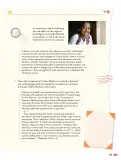
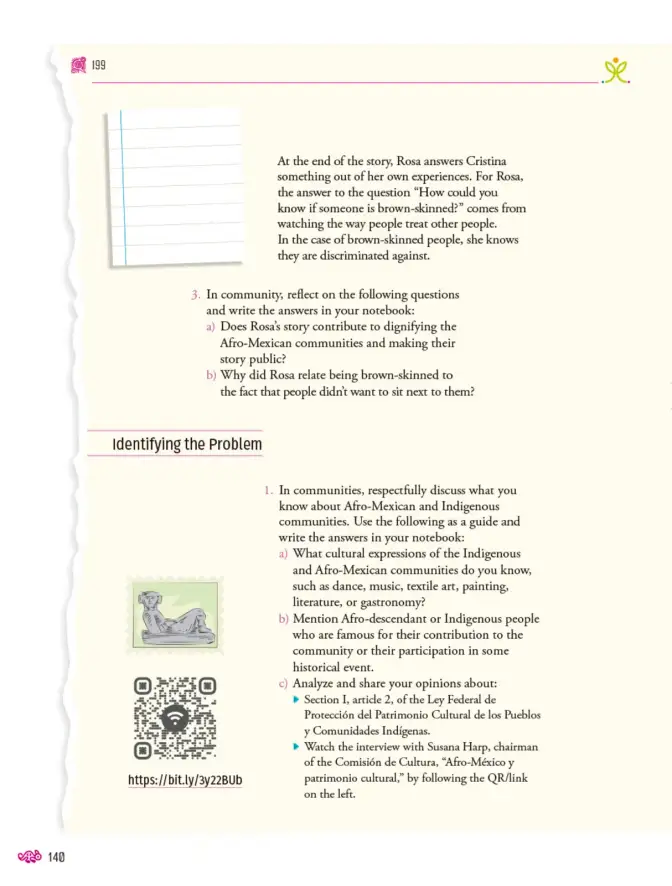
At the end of the story, Rosa answers Cristina something out of her own experiences. For Rosa, the answer to the question "How could you know if someone is brown-skinned?" comes from watching the way people treat other people. In the case of brown-skinned people, she knows they are discriminated against.

  1. In community, reflect on the following questions and write the answers in your notebook:

a) Does Rosa's story contribute to dignifying the Afro-Mexican communities and making their story public?

b) Why did Rosa relate being brown-skinned to the fact that people didn't want to sit next to them?

Identifying the Problem

  1. In communities, respectfully discuss what you know about Afro-Mexican and Indigenous communities. Use the following as a guide and write the answers in your notebook:

a) What cultural expressions of the Indigenous and Afro-Mexican communities do you know, such as dance, music, textile art, painting, literature, or gastronomy?

b) Mention Afro-descendant or Indigenous people who are famous for their contribution to the community or their participation in some historical event.

c) Analyze and share your opinions about:

  • Section I, article 2, of the Ley Federal de Protección del Patrimonio Cultural de los Pueblos y Comunidades Indígenas.
  • Watch the interview with Susana Harp, chairman of the Comisión de Cultura, "Afro-México y patrimonio cultural," by following the QR/link on the left.

https://bit.ly/3y22BUb

Glosario (4)

Afro-Mexican
Persona mexicana de ascendencia africana.
Indigenous
Pueblo originario de México.
Dignifying
Reconocer y dar valor a una persona o comunidad.
Patrimonio cultural
Conjunto de bienes y expresiones culturales de un pueblo.

Preguntas para practicar

¿Cómo contribuye la historia de Rosa a dignificar a las comunidades afro-mexicanas?

La historia visibiliza la discriminación cotidiana y da voz a una comunidad históricamente silenciada, promoviendo el respeto y el reconocimiento de su dignidad.

¿Por qué es importante proteger el patrimonio cultural de los pueblos indígenas y afromexicanos?

Porque garantiza la preservación de sus tradiciones, lenguas y expresiones artísticas, y fortalece la identidad cultural del país.

Temas y conceptos clave

Comunidades afro-mexicanasPueblos indígenasDiscriminaciónPatrimonio culturalAfro-mexicanidadDignificaciónPatrimonio culturalDiscriminación por color de piel

Fuentes y referencias

  • Ley Federal de Protección del Patrimonio Cultural de los Pueblos y Comunidades Indígenas
  • Entrevista a Susana Harp, Comisión de Cultura, "Afro-México y patrimonio cultural"
  • https://bit.ly/3y22BUb
¿Te fue útil esta página?

Figuras de la página (2)

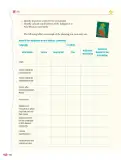
Ilustración de una libreta con líneas.
Figura 1 image
Código QR que enlaza a https://bit.ly/3y22BUb.
Figura 2 image

Preguntas que la gente también hace

¿Qué es la afro-mexicanidad?
Consulta la solución completa arriba o explora el libro entero para temas relacionados.
¿Cómo se protege el patrimonio cultural indígena en México?
Consulta la solución completa arriba o explora el libro entero para temas relacionados.
¿Qué expresiones culturales tienen los pueblos afromexicanos?
Consulta la solución completa arriba o explora el libro entero para temas relacionados.
📌 Antes de leer esto
  • • Lectura previa de la historia de Rosa y Cristina
  • • Conocimientos básicos sobre diversidad cultural en México
Siguiente tema sugerido
Expresiones culturales de los pueblos indígenas y afromexicanos
📝 Transcripción de la página (texto seleccionable) 1552 caracteres

At the end of the story, Rosa answers Cristina something out of her own experiences. For Rosa,the answer to the question "How could you know if someone is brown-skinned?" comes from watching the way people treat other people.In the case of brown-skinned people, she knows they are discriminated against.

  1. In community, reflect on the following questions and write the answers in your notebook:

a) Does Rosa's story contribute to dignifying the Afro-Mexican communities and making their story public?

b) Why did Rosa relate being brown-skinned to the fact that people didn't want to sit next to them?

Identifying the Problem

  1. In communities, respectfully discuss what you know about Afro-Mexican and Indigenous communities. Use the following as a guide and write the answers in your notebook:

a) What cultural expressions of the Indigenous and Afro-Mexican communities do you know,such as dance, music, textile art, painting,literature, or gastronomy?

b) Mention Afro-descendant or Indigenous people who are famous for their contribution to the community or their participation in some historical event.

c) Analyze and share your opinions about:

c Section I, article 2, of the Ley Federal de Protección del Patrimonio Cultural de los Pueblos y Comunidades Indígenas.

Watch the interview with Susana Harp, chairman of the Comisión de Cultura, "Afro-México y patrimonio cultural," by following the QR/link on the left.

199

灾

![](page=0,bbox=[187, 194, 440, 480])

![](page=0,bbox=[232, 1034, 402, 1373])

https://bit.ly/3y22BUb

A

140

Ad

Otros libros recomendados

Ver todos →
Ad

Usamos cookies propias y de terceros para personalizar contenido, mostrar publicidad y analizar el tráfico. Las cookies necesarias siempre están activas.