















Saltar al contenido
MisLibrosTexto
Ad

Anansi Goes to Lunch: comprensión auditiva y feria cultural

📄 ejercicios ingles 🎓 otro · 1° TELESECUNDARIA México 🇲🇽 MX 🗣 Español
Página 53
53 de 187
Página 53 de Uérakua anapu uantakua. Projects and Readings.  Libro de Educación Telesecundaria Grado 1°  Ciclo Escolar 2025 - 2026
Anterior Página 53 / 187 Siguiente

Respuesta rápida

Tabla: 1) Hippo, Africa, fruits (fried yams, rice and beans); 2) Elephant, America, hamburgers; 3) Zebra, Italy, pizza. Proyecto: feria cultural con stand, platillos típicos e investigación de ingredientes, cocineros, receta, ocasión e importancia identitaria.

📚 exercise ingles ⭐⭐ Dificultad 2/5 ⏱ 8 min lectura

Solución — Página 53

Uérakua anapu uantakua. Projects and Readings. Libro de Educación Telesecundaria Grado 1° Ciclo Escolar 2025 - 2026

3
Ejercicio 3

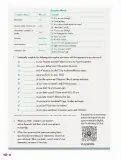
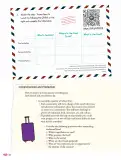
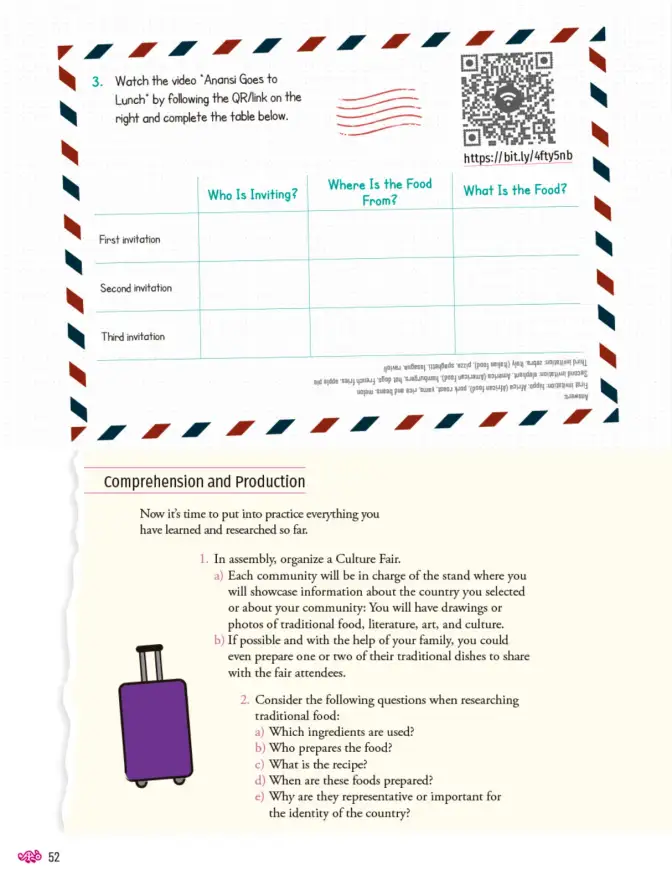
Watch the video "Anansi Goes to Lunch" and complete the table below.

  1. Identifico las tres invitaciones que aparecen en el video: First invitation, Second invitation y Third invitation.
  2. Para cada una registro quién invita, de dónde viene la comida y qué comida es.
  3. Completo la tabla con la información del video.
Respuesta
Who Is Inviting? Where Is the Food From? What Is the Food?
First invitation Hippo Africa Fruits (fried yams, rice and beans)
Second invitation Elephant America Hamburgers
Third invitation Zebra Italy Pizza
1
Ejercicio 1

In assembly, organize a Culture Fair.

a
Parte 1.a

Each community will be in charge of the stand where you will showcase information about the country you selected or about your community: drawings or photos of traditional food, literature, art, and culture.

Respuesta orientativa: Cada equipo elige un país o su propia comunidad y monta un stand con dibujos o fotos de comida típica, literatura, arte y cultura. Se organizan los materiales y se asignan roles (expositor, guía, encargado del montaje).

b
Parte 1.b

If possible and with the help of your family, you could even prepare one or two of their traditional dishes to share with the fair attendees.

Respuesta orientativa: Con ayuda de la familia, se preparan uno o dos platillos tradicionales para compartir con los asistentes a la feria. Se cuida la higiene y se explican los ingredientes y su origen.

2
Ejercicio 2

Consider the following questions when researching traditional food.

a
Parte 2.a

Which ingredients are used?

Respuesta orientativa: Se investigan los ingredientes principales del platillo elegido, por ejemplo maíz, frijol, chile, tomate, carne o pescado, según la región.

b
Parte 2.b

Who prepares the food?

Respuesta orientativa: Generalmente lo preparan las abuelas, madres o cocineros tradicionales de la comunidad, quienes transmiten la receta de generación en generación.

c
Parte 2.c

What is the recipe?

Respuesta orientativa: Se describe el procedimiento paso a paso: lavar, cortar, cocer, sazonar y servir, indicando cantidades y tiempos.

d
Parte 2.d

When are these foods prepared?

Respuesta orientativa: Se preparan en fiestas patrias, celebraciones religiosas, cumpleaños o reuniones familiares, según la tradición local.

e
Parte 2.e

Why are they representative or important for the identity of the country?

Respuesta orientativa: Porque reflejan la historia, los recursos naturales y las costumbres de un pueblo; son un símbolo de pertenencia y de identidad cultural.

Contenido de la página

  1. Watch the video "Anansi Goes to Lunch" by following the QR/link on the right and complete the table below.

https://bit.ly/4fty5nb

Who Is Inviting? Where Is the Food From? What Is the Food?
First invitation
Second invitation
Third invitation

Comprehension and Production

Now it's time to put into practice everything you have learned and researched so far.

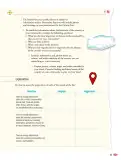
  1. In assembly, organize a Culture Fair. a) Each community will be in charge of the stand where you will showcase information about the country you selected or about your community: You will have drawings or photos of traditional food, literature, art, and culture. b) If possible and with the help of your family, you could even prepare one or two of their traditional dishes to share with the fair attendees.

  2. Consider the following questions when researching traditional food: a) Which ingredients are used? b) Who prepares the food? c) What is the recipe? d) When are these foods prepared? e) Why are they representative or important for the identity of the country?

Ejemplos resueltos

Complete the table about the video "Anansi Goes to Lunch".

First invitation: Hippo, Africa, fruits (fried yams, rice and beans). Second invitation: Elephant, America, hamburgers. Third invitation: Zebra, Italy, pizza.

Tabla

Who Is Inviting? Where Is the Food From? What Is the Food?
First invitation Hippo Africa Fruits (fried yams, rice and beans)
Second invitation Elephant America Hamburgers
Third invitation Zebra Italy Pizza

Glosario (7)

invitation
invitación
traditional food
comida tradicional
recipe
receta
ingredients
ingredientes
fair
feria
stand
puesto o stand
identity
identidad

Preguntas para practicar

Why are traditional foods important for the identity of a country?

Because they reflect the history, natural resources and customs of a community, and they transmit a sense of belonging from one generation to another.

Temas y conceptos clave

Comprensión auditiva: Anansi Goes to LunchFeria cultural escolarInvestigación de comida tradicionalListening comprehensionCultural fairTraditional foodIdentityRecipe

Fuentes y referencias

  • https://bit.ly/4fty5nb
¿Te fue útil esta página?

Figuras de la página (3)

Código QR con enlace al video Anansi Goes to Lunch
Figura 1 image
Ilustración de una maleta morada
Figura 2 image
Figura 3 de Uérakua anapu uantakua. Projects and Readings.  Libro de Educación Telesecundaria Grado 1°  Ciclo Escolar 2025 - 2026
Figura 3 image

Preguntas que la gente también hace

¿Quién invita a Anansi en cada una de las tres invitaciones del video?
Consulta la solución completa arriba o explora el libro entero para temas relacionados.
¿De qué país proviene la comida de cada invitación en Anansi Goes to Lunch?
Consulta la solución completa arriba o explora el libro entero para temas relacionados.
¿Cómo se organiza una feria cultural escolar en la asignatura de inglés?
Consulta la solución completa arriba o explora el libro entero para temas relacionados.
📌 Antes de leer esto
  • • Vocabulario básico de alimentos en inglés
  • • Preguntas con Who, Where, What
  • • Uso del presente simple
Siguiente tema sugerido
Presentación oral de la feria cultural y descripción de platillos típicos en inglés
📝 Transcripción de la página (texto seleccionable) 1380 caracteres

Watch the videoAnansi Goes to Lunch"by following the QR/link on the right and complete the table below.

)aa a ) sJBMSUy

Comprehension and Production

Now it's time to put into practice everything you have learned and researched so far.

  1. In assembly, organize a Culture Fair.

a) Each community will be in charge of the stand where you will showcase information about the country you selected or about your community: You will have drawings or photos of traditional food, literature, art, and culture.

b) If possible and with the help of your family, you could even prepare one or two of their traditional dishes to share with the fair attendees.

  1. Consider the following questions when researching traditional food:

a) Which ingredients are used?

b) Who prepares the food?

c) What is the recipe?

d) When are these foods prepared?

e) Why are they representative or important for the identity of the country?

![](page=0,bbox=[829, 91, 1008, 263])

![](page=0,bbox=[602, 155, 763, 247])

Who Is Inviting?Where Is the Food From?What Is the Food?
First invitation
Second invitation
Third invitation

![](page=0,bbox=[211, 1154, 350, 1422])

乐

52

Ad

Otros libros recomendados

Ver todos →
Ad

Usamos cookies propias y de terceros para personalizar contenido, mostrar publicidad y analizar el tráfico. Las cookies necesarias siempre están activas.