












Saltar al contenido
MisLibrosTexto
Ad

Consideration and Advances: evaluación de la Feria de las Culturas

📄 ejercicios ingles 🎓 otro · 1° TELESECUNDARIA México 🇲🇽 MX 🗣 Español
Página 56
56 de 187
Página 56 de Uérakua anapu uantakua. Projects and Readings.  Libro de Educación Telesecundaria Grado 1°  Ciclo Escolar 2025 - 2026
Anterior Página 56 / 187 Siguiente

Respuesta rápida

1.a–e) Respuestas abiertas de mejora, claridad, aportes, gusto y desagrado. 2) Asamblea lee opiniones. 3) Se acuerdan mejoras. 4) Acta: comida, cultura e identidad.

📚 exercise ingles ⭐⭐ Dificultad 2/5 ⏱ 6 min lectura

Solución — Página 56

Uérakua anapu uantakua. Projects and Readings. Libro de Educación Telesecundaria Grado 1° Ciclo Escolar 2025 - 2026

1
Ejercicio 1

In community, on the day of the Culture Fair, leave a notebook for comments and suggestions. Write the questions below in the notebook.

a
Parte 1.a

How would you improve the fair?

Respuesta orientativa: I would improve the fair by adding more typical dishes from different regions, organizing a schedule of cultural presentations, and placing clear signs so visitors can find each stand easily.

b
Parte 1.b

Was anything unclear or difficult to understand?

Respuesta orientativa: Yes, some stands did not explain the origin of the food, so visitors did not understand its cultural meaning. I would add short labels or a brief oral explanation at each stand.

c
Parte 1.c

What would you add to the fair?

Respuesta orientativa: I would add traditional music, a map showing where each dish comes from, and a space for visitors to taste small portions and share their own family recipes.

d
Parte 1.d

What did you like the most?

Respuesta orientativa: I liked the variety of typical dishes and the way each team presented the history behind its recipe. It made me feel proud of our cultural diversity.

e
Parte 1.e

Was there anything you didn't like?

Respuesta orientativa: I did not like the long waiting lines and the lack of recycling bins. Next time we should organize the stands better and place containers for waste.


2
Ejercicio 2

In assembly, read the opinions and suggestions of the attendees at the fair.

  1. Se reúne a toda la comunidad en asamblea.
  2. Se leen en voz alta las respuestas del cuaderno de comentarios.
  3. Se agrupan las opiniones por tema: organización, contenido cultural, limpieza, participación.
  4. Se identifican las sugerencias más repetidas para priorizarlas.

Respuesta orientativa: La asamblea permite escuchar todas las voces, detectar los problemas comunes y convertir las opiniones en propuestas concretas de mejora.

3
Ejercicio 3

Discuss improvements you can make for your next fair, presentation, or event.

  1. Revisar las sugerencias agrupadas en la asamblea.
  2. Elegir tres mejoras realistas (por ejemplo: mejor señalización, más recetas, horario definido).
  3. Asignar responsables y fechas para cada mejora.
  4. Definir cómo se evaluará si la mejora funcionó.

Respuesta orientativa: Mejoras propuestas: (1) elaborar un mapa de los puestos, (2) incluir etiquetas con el origen de cada platillo, (3) crear un comité de limpieza y reciclaje. Cada mejora tendrá un responsable y se revisará al final del próximo evento.

Ad
4
Ejercicio 4

Finally, write in your notebooks the assembly agreements reached by the community to nourish and promote the relationship between food, culture, and identity.

  1. Registrar la fecha y los participantes de la asamblea.
  2. Anotar los acuerdos en primera persona plural (nosotros).
  3. Incluir compromisos sobre comida, cultura e identidad.
  4. Firmar o rubricar el acta en el cuaderno.

Respuesta orientativa: Acuerdos: (1) compartir en cada feria al menos un platillo tradicional de nuestra familia; (2) explicar su origen e historia; (3) respetar y valorar las cocinas de otras regiones; (4) documentar las recetas en un recetario comunitario para fortalecer nuestra identidad cultural.

Contenido de la página

Consideration and Advances

  1. In community, on the day of the Culture Fair, leave a notebook for comments and suggestions. You can write the questions below in the notebook (for comments).

    • a) How would you improve the fair?
    • b) Was anything unclear or difficult to understand?
    • c) What would you add to the fair?
    • d) What did you like the most?
    • e) Was there anything you didn't like?
  2. In assembly, read the opinions and suggestions of the attendees at the fair.

  3. Discuss improvements you can make for your next fair, presentation, or event.

  4. Finally, write in your notebooks the assembly agreements reached by the community to nourish and promote the relationship between food, culture, and identity.

Tabla

Pregunta Propósito
How would you improve the fair? Detectar mejoras
Was anything unclear? Evaluar claridad
What would you add? Proponer aportes
What did you like the most? Reconocer logros
Was there anything you didn't like? Identificar fallas

Diagrama

flowchart TD
  A[Feria de las Culturas] --> B[Cuaderno de comentarios]
  B --> C[Asamblea comunitaria]
  C --> D[Propuestas de mejora]
  D --> E[Acuerdos escritos]
  E --> F[Comida, cultura e identidad]

Glosario (6)

Culture Fair
Feria de las Culturas; evento escolar donde se presentan platillos y tradiciones.
notebook for comments
Cuaderno donde los asistentes escriben opiniones y sugerencias.
assembly
Asamblea; reunión de la comunidad para leer y discutir opiniones.
agreements
Acuerdos; decisiones tomadas en conjunto por la comunidad.
nourish
Nutrir, alimentar; en sentido figurado, fortalecer una relación.
identity
Identidad; conjunto de rasgos culturales que definen a un grupo.

Preguntas para practicar

How would you improve the fair?

I would add more regional dishes, clear signs and a fixed schedule of presentations.

Was anything unclear or difficult to understand?

Yes, the origin and meaning of some dishes were not explained clearly.

What would you add to the fair?

Traditional music, a map of dishes and a space for tasting.

What did you like the most?

The variety of typical dishes and the history behind each recipe.

Was there anything you didn't like?

The long waiting lines and the lack of recycling bins.

Temas y conceptos clave

Evaluación de la Feria de las CulturasCuaderno de comentarios y sugerenciasAsamblea comunitariaComida, cultura e identidadCulture Faircomments and suggestionsassemblyagreementsfood, culture and identity
¿Te fue útil esta página?

Figuras de la página (2)

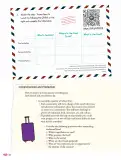
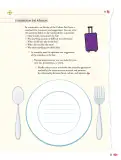
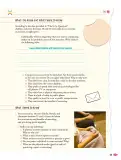
Ilustración de una maleta morada con ruedas, símbolo de viaje o cultura.
Figura 1 image
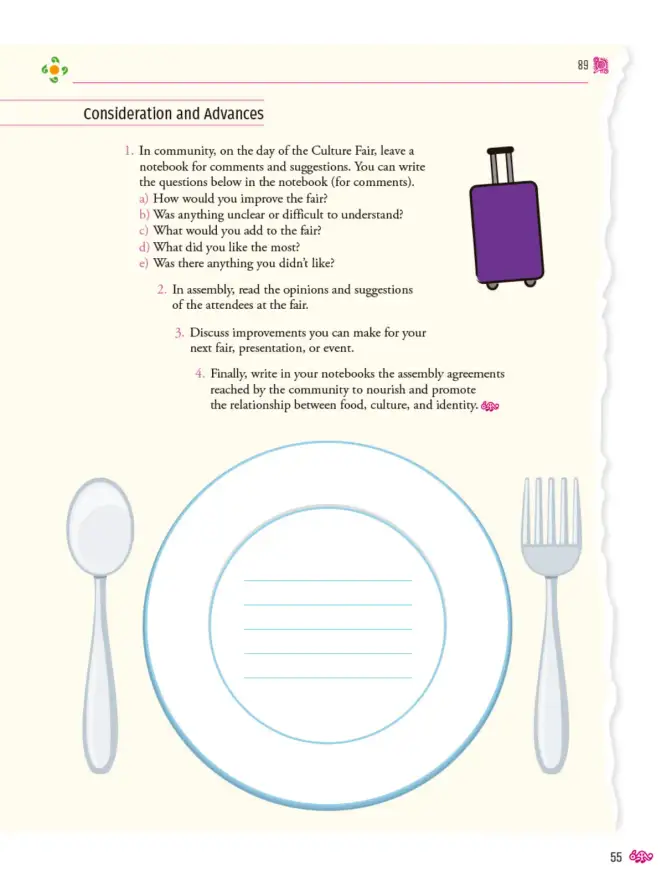
Plato blanco con líneas para escribir, acompañado de una cuchara a la izquierda y un tenedor a la derecha.
Figura 2 image

Preguntas que la gente también hace

¿Cómo se evalúa una feria cultural escolar en inglés?
Consulta la solución completa arriba o explora el libro entero para temas relacionados.
¿Qué preguntas se hacen en un cuaderno de comentarios de una feria?
Consulta la solución completa arriba o explora el libro entero para temas relacionados.
¿Cómo se relacionan la comida, la cultura y la identidad en un proyecto escolar?
Consulta la solución completa arriba o explora el libro entero para temas relacionados.
📌 Antes de leer esto
  • • Vocabulario básico en inglés sobre comida y cultura
  • • Estructura de preguntas en inglés (How would you...?, Was there...?)
  • • Haber realizado la Feria de las Culturas del proyecto
Siguiente tema sugerido
Presentación oral de los acuerdos de la asamblea en inglés
📝 Transcripción de la página (texto seleccionable) 801 caracteres

Consideration and Advances

  1. In community, on the day of the Culture Fair, leave a notebook for comments and suggestions. You can write the questions below in the notebook (for comments).a) How would you improve the fair? b) Was anything unclear or difficult to understand?c) What would you add to the fair? d) What did you like the most? e) Was there anything you didn't like?

  2. In assembly, read the opinions and suggestions of the attendees at the fair.

  3. Discuss improvements you can make for your next fair, presentation, or event.

  4. Finally, write in your notebooks the assembly agreements reached by the community to nourish and promote the relationship between food, culture, and identity. 6

89

![](page=0,bbox=[847, 258, 984, 523])

![](page=0,bbox=[114, 797, 1050, 1474])

55

乐

Ad

Otros libros recomendados

Ver todos →
Ad

Usamos cookies propias y de terceros para personalizar contenido, mostrar publicidad y analizar el tráfico. Las cookies necesarias siempre están activas.