Saltar al contenido
MisLibrosTexto
Ad

Past Tenses: To Be, Simple Past and Past Perfect in the Mexican Revolution

📄 ejercicios ingles 🎓 otro · 2° TELESECUNDARIA México 🇲🇽 MX 🗣 Español
Página 156
156 de 171
Página 156 de Uérakua anapu uantakua. Projects and Readings.  Libro de Educación Telesecundaria Grado 2°  Ciclo Escolar 2025 - 2026
Anterior Página 156 / 171 Siguiente

Respuesta rápida

  1. participated 2. was 3. began 4. was 5. continued 6. fought 7. was
📚 exercise ingles ⭐⭐ Dificultad 2/5 ⏱ 8 min lectura

Solución — Página 156

Uérakua anapu uantakua. Projects and Readings. Libro de Educación Telesecundaria Grado 2° Ciclo Escolar 2025 - 2026

1
Ejercicio 1

Watch three videos about pronunciation of regular verbs and practice of irregular verbs by following the QR/links.

Respuesta orientativa: Los enlaces llevan a videos que modelan la pronunciación de la terminación -ed (/t/, /d/, /ɪd/) y la lista de verbos irregulares. Se recomienda escuchar, repetir en voz alta y anotar los verbos irregulares en una tabla con sus tres formas (base, past, past participle).

2
Ejercicio 2

Read about women in the Mexican Revolution and fill in the blanks with the appropriate form of the verbs in parentheses.

2
Ejercicio 2

1

  1. The term Adelitas is used to refer to women who participated in the Mexican Revolution.
  2. It is important to understand just what the Revolution was.
  3. It began in 1910 as several uncoordinated revolts.
  4. Díaz was deposed rather quickly.
  5. The shooting continued for the rest of the decade.
  6. These same factions fought each other for power.
  7. By 1920, Álvaro Obregón was president.
Respuesta

participated – was – began – was – continued – fought – was.

Ad
2
Ejercicio 2

2 Justificación gramatical

  • participate → participated: simple past, acción terminada.
  • be → was: pasado del verbo to be con sujeto singular (the Revolution).
  • begin → began: verbo irregular, simple past.
  • be → was: pasado de to be con sujeto singular (Díaz).
  • continue → continued: verbo regular, simple past.
  • fight → fought: verbo irregular, simple past.
  • be → was: pasado de to be con sujeto singular (Álvaro Obregón).
Respuesta

Todas las formas corresponden al simple past porque narran hechos históricos concluidos.

Contenido de la página

Grammar table

To Be (Past) Simple Past Past Perfect
Affirmative subject + was/were + complement. Peasants were very poor. There was much discontent. subject + past form of verb + complement or object. The peasants suffered the most. Carranza became a hated man. subject + had + past participle + complement or object. The liberals had won the war against Maximilian.
Negative subject + was not/were not (wasn't/weren't) + complement. There wasn't freedom of speech. subject + did not/didn't + verb in base form + complement or object. Díaz did not listen to the demands of the people. subject + had not/hadn't + past participle + complement or object. Exploitation hadn't changed with Díaz's regime.
Interrogative (wh-words) + was/were + subject + complement + ? What was social justice? (wh-words) + did + subject + verb in base form + complement + ? Why did Villa and Zapata rebel against Carranza? (wh-words) + had + subject + past participle + complement or object + ? When had the protests started?

1. Pronunciation practice

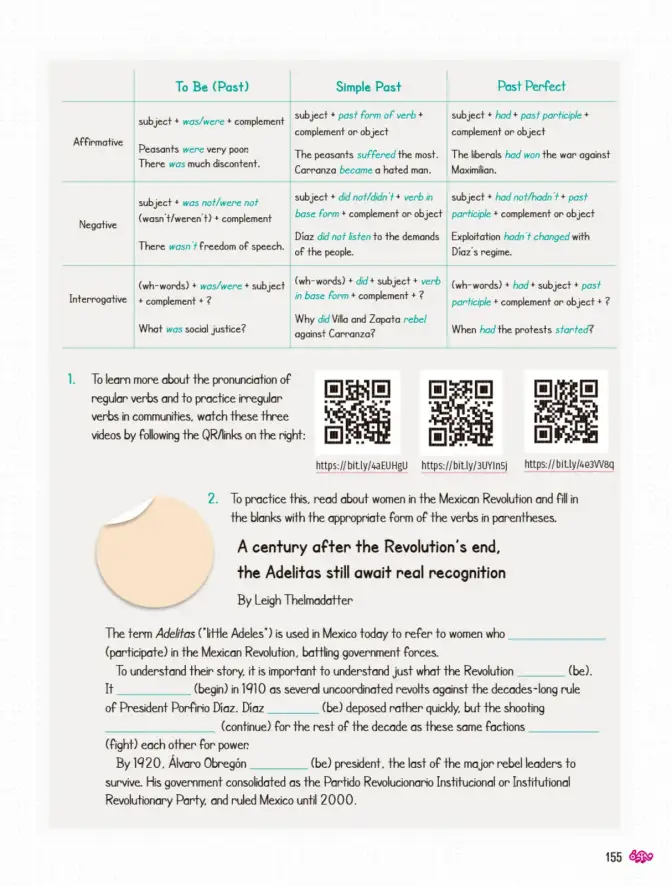
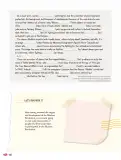
To learn more about the pronunciation of regular verbs and to practice irregular verbs in communities, watch these three videos by following the QR/links on the right:

2. Reading and practice

To practice this, read about women in the Mexican Revolution and fill in the blanks with the appropriate form of the verbs in parentheses.

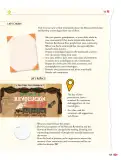
A century after the Revolution's end, the Adelitas still await real recognition

By Leigh Thelmadatter

The term Adelitas ("little Adeles") is used in Mexico today to refer to women who ______ (participate) in the Mexican Revolution, battling government forces.

To understand their story, it is important to understand just what the Revolution ______ (be). It ______ (begin) in 1910 as several uncoordinated revolts against the decades-long rule of President Porfirio Díaz. Díaz ______ (be) deposed rather quickly, but the shooting ______ (continue) for the rest of the decade as these same factions ______ (fight) each other for power.

By 1920, Álvaro Obregón ______ (be) president, the last of the major rebel leaders to survive. His government consolidated as the Partido Revolucionario Institucional or Institutional Revolutionary Party, and ruled Mexico until 2000.

Ejemplos resueltos

Peasants ___ (be) very poor.

Sujeto plural peasants → were. Peasants were very poor.

The liberals ___ (win) the war against Maximilian.

Acción anterior a otra pasada → past perfect: had won. The liberals had won the war against Maximilian.

Tabla

To Be (Past) Simple Past Past Perfect
Affirmative subject + was/were + complement subject + past form of verb + complement or object subject + had + past participle + complement or object
Negative subject + was not/were not + complement subject + did not/didn't + verb in base form + complement or object subject + had not/hadn't + past participle + complement or object
Interrogative (wh-words) + was/were + subject + complement + ? (wh-words) + did + subject + verb in base form + complement + ? (wh-words) + had + subject + past participle + complement or object + ?

Fórmulas y ecuaciones

subject + was/were + complement

subject + past form of verb + complement

subject + had + past participle + complement

Glosario (5)

Adelitas
Mujeres que participaron en la Revolución Mexicana, a menudo como soldaderas, enfermeras o combatientes.
uncoordinated revolts
Revueltas sin coordinación entre sí.
deposed
Derrocado, removido del poder.
factions
Grupos o bandos políticos o militares.
past participle
Participio pasado del verbo, usado con had para formar el past perfect.

Preguntas para practicar

Why is it important to learn about the Adelitas?

Because they played a key role in the Mexican Revolution as soldiers, nurses and supporters, yet their contribution has often been overlooked. Learning about them helps recognize women's participation in national history.

Temas y conceptos clave

Pasado del verbo to bePasado simplePasado perfectoMujeres en la Revolución Mexicanawas/werepast form of verbhad + past participledid/didn'twh-questions in past

Fuentes y referencias

  • https://bit.ly/4aEUHgU
  • https://bit.ly/3UYIn5j
  • https://bit.ly/4e3W8q
¿Te fue útil esta página?

Figuras de la página (4)

Tres códigos QR con enlaces a videos de pronunciación de verbos regulares e irregulares.
Figura 1 image
Ilustración de una esquina de página doblada.
Figura 2 image
Figura 3 de Uérakua anapu uantakua. Projects and Readings.  Libro de Educación Telesecundaria Grado 2°  Ciclo Escolar 2025 - 2026
Figura 3 image
Figura 4 de Uérakua anapu uantakua. Projects and Readings.  Libro de Educación Telesecundaria Grado 2°  Ciclo Escolar 2025 - 2026
Figura 4 image

Preguntas que la gente también hace

¿Cómo se forma el pasado simple en inglés?
Consulta la solución completa arriba o explora el libro entero para temas relacionados.
¿Cuál es la diferencia entre past simple y past perfect?
Consulta la solución completa arriba o explora el libro entero para temas relacionados.
¿Quiénes fueron las Adelitas en la Revolución Mexicana?
Consulta la solución completa arriba o explora el libro entero para temas relacionados.
📌 Antes de leer esto
  • • Verbo to be en presente
  • • Verbos regulares e irregulares en infinitivo
  • • Uso básico del auxiliar did
Siguiente tema sugerido
Past continuous y contraste con past simple
📝 Transcripción de la página (texto seleccionable) 2552 caracteres

1.To learn more about the pronunciation of regular venbs and to practice inregular verbs in communities, watch these three videos by following the QR/links on the right:

2.To practice this, read about women in the Mexican Revolution and fill in the blanks with the appropriate form of the verbs in parentheses.

A century after the Revolution's end,the Adelitas still await real recognition

By Leigh Thelmadatter

The term Adelitas ("litHle Adeles') is used in Mexico today to refer to women who (participate) in the Mexican Revolution, batHling government forces.

To understand their story, it is important to understand just what the Revolution (be).It (begin) in 1910 as several uncoordinated revolts against the decades-long rule of President Porfirio Diaz. Diaz (be)deposed rather quickly, but the shooting (continue) for the rest of the decade as these same factions

(fight) each other for power:

By1920,Álvaro Obregón (be) president, the last of the major rebel leaders to survive. His government consolidated as the Partido Revolucionario Institucional or Institutional Revolutionary Party, and ruled Mexico until 2000.

To Be (Past)Simple PastPast Perfect
Affirmativesubject + was/were + complement Peasants wene very poor: There was much discontent.subject + pasf form of venb+ complement or object The peasants suffered the most. Carranza became a hated man.subject + had + past participle+ complement or object The libenals had won the war against Maximilian.
Negativesubject + was not/were not (wasn't/weren't)+complement There wasn't freedom of speech.subject + did not/didn't+ verb in base form + complement or object Diaz did not listen to the demands of the people.subject + had not/hadn't + past participle + complement or object Exploitation hadn't changedwith Diaz's regime.
Interrogative(wh-words) + was/wene + subject + complement + ? What was social justice?(wh-words) + did + subject + venb in base form + complement +? Why did Vill and Zapata rebel against Carnanza?(wh-wonds) + had+ subject + past participle + complement or object + ? When had the protests started?

![](page=0,bbox=[582, 680, 707, 802])

https://bitly/4aEUHgU

![](page=0,bbox=[770, 680, 891, 806])

https://bit.ly/3UYIn5

![](page=0,bbox=[961, 680, 1080, 800])

https://bitly/4e3W8q

![](page=0,bbox=[168, 886, 389, 1099])

155

8
Ad

Otros libros recomendados

Ver todos →
Ad

Usamos cookies propias y de terceros para personalizar contenido, mostrar publicidad y analizar el tráfico. Las cookies necesarias siempre están activas.