Saltar al contenido
MisLibrosTexto
Ad

Testimonios de las soldaderas en la Revolución Mexicana

📄 ejercicios historia 🎓 otro · 2° TELESECUNDARIA México 🇲🇽 MX 🗣 Español
Página 158
158 de 171
Página 158 de Uérakua anapu uantakua. Projects and Readings.  Libro de Educación Telesecundaria Grado 2°  Ciclo Escolar 2025 - 2026
Anterior Página 158 / 171 Siguiente

Respuesta rápida

Los testimonios muestran a las soldaderas como proveedoras, cuidadoras y combatientes; complementan la visión tradicional de la Revolución Mexicana.

📚 exercise historia ⭐⭐ Dificultad 2/5 ⏱ 8 min lectura

Solución — Página 158

Uérakua anapu uantakua. Projects and Readings. Libro de Educación Telesecundaria Grado 2° Ciclo Escolar 2025 - 2026

1
Ejercicio 1

Read the testimonials and then discuss how reading them changes or supplements the idea you had about the Mexican Revolution.

  1. Antes de leer, la idea común de la Revolución Mexicana suele centrarse en batallas, caudillos y fechas. Los testimonios muestran el papel cotidiano de las mujeres.
  2. Edith O'Shaughnessy describe a la soldadera como la mujer que acompaña al ejército cargando hijos, animales y enseres; es la única proveedora visible del soldado.
  3. Tomasa García relata que fue soldadera y guerrillera: usaba cartuchera, carabina 30-30, montaba a caballo y participaba en combate.
  4. María Encarnación "Chonita" Mares narra que tomó las armas en 1913, a los 15 años, y permaneció en campaña hasta 1916.
  5. Estos relatos complementan la visión tradicional al mostrar que las mujeres no solo acompañaban: también combatían, curaban, alimentaban y enterraban.
Respuesta

Los testimonios amplían la idea de la Revolución al incluir a las mujeres como protagonistas activas, no solo como acompañantes.

2
Ejercicio 2

Women soldiers talk about their experience: ¿qué aportan los testimonios de Tomasa García y María Encarnación Mares?

  1. Tomasa García describe tareas militares concretas: cargar carabina, montar y ensillar caballos, combatir.
  2. María Encarnación Mares aporta fechas y lugares precisos: 3 de marzo de 1913, minas de Pánuco, Coahuila; baja el 24 de marzo de 1916 en Soledad, Veracruz.
  3. Ambos relatos muestran decisión personal: Tomasa se identifica como soldadera-guerrillera y Chonita prefiere tomar las armas antes que seguir a su esposo como soldadera.
Respuesta

Aportan testimonio directo de mujeres que participaron en combate, con datos de fechas, lugares y motivaciones personales.

3
Ejercicio 3

¿Qué significa el término soldadera según los testimonios?

  1. O'Shaughnessy la define como la mujer que acompaña al ejército con hijos y pertenencias.
  2. Tomasa García la asocia con guerrillera, es decir, tropa armada.
  3. Chonita Mares usa el término para la mujer que sigue al esposo sin tomar armas.
Respuesta

Mujer que acompaña al ejército revolucionario, a veces como proveedora y cuidadora, a veces como combatiente armada.

Contenido de la página

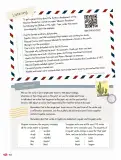
Read the testimonials and then discuss how reading them changes or supplements the idea you had about the Mexican Revolution.

Testimonials translated from "Soldaderas y soldados en la Revolución mexicana. En los campamentos o empuñando armas en los escenarios bélicos" by Martha Eva Rocha Islas:

The wife of a USA diplomat, Edith O'Shaughnessy, described the soldaderas as:

The heroic woman who accompanies the army, carrying her children or any other property with her, such as her cattle, baskets, blankets, goats, parrots, fruit, etc. These women are the only visible supply of the soldiers. They go with them in their long walks. They take care of them, feed them, heal them, and bury them and, in the case there is some money, they get paid. They do everything on the go, apart from providing the man any other service he might ask for. The abnegation they show in life is remarkable.

Women soldiers talk about their experience:

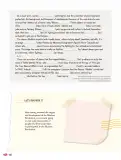
Tomasa García: "Well, I was a soldadera! I was in the guerrilla, guerrilla means 'armed troops,' doesn't it? I wore my cartridge belt like this and another one like this. I carried my rifle, it was called carabina 30-30. A soldadera had to ride a horse and know how to saddle it. When your horse was killed, you lied on the ground waiting for somebody to get killed so that his horse would walk by and you could use your lasso to bind its neck and take the horse for you. You go to fight, to make war, in blood and fire, to kill and get killed!"

María Encarnación "Chonita" Mares: "I took up arms out of sympathy for the Revolution, on March 3rd, 1913, in the mines of Pánuco, Coahuila. I was then 15 years old. My husband, Isidro Cárdenas, who was later a Constitutionalist captain, was then mechanic assistant in the mines and he had already told me he wanted to be part of the Revolution. I told him: 'Look, Isidro, I'd rather take up arms than follow you as a soldadera.' I very well remember his surprise when he heard me talk like that, but there was no remedy... Soon, I was given man's clothing, my rifle, and a horse, and I stayed in campaign until March 24th, 1916, when I was discharged in Soledad, Veracruz."

Glosario (5)

soldadera
Mujer que acompañaba al ejército revolucionario, encargada de alimentar, curar y enterrar a los soldados; algunas también combatían.
guerrilla
Grupo armado irregular que combate al margen de un ejército formal.
carabina 30-30
Rifle de repetición usado durante la Revolución Mexicana.
abnegation
Abnegación: sacrificio voluntario en favor de otros.
Constitutionalist
Constitucionalista: integrante del ejército de Venustiano Carranza.

Preguntas para practicar

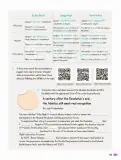
How does reading these testimonials change or supplement your idea about the Mexican Revolution?

Amplía la visión tradicional centrada en batallas y caudillos, al incorporar a las mujeres como proveedoras, cuidadoras y combatientes que sostuvieron al ejército en la vida cotidiana.

¿Por qué crees que los testimonios de las soldaderas fueron poco visibles en la historia oficial?

Porque la historia tradicional priorizó a los líderes militares y los grandes acontecimientos, dejando en segundo plano la participación femenina y la vida cotidiana en la guerra.

Temas y conceptos clave

Revolución MexicanaSoldaderasTestimonios históricosParticipación femenina en conflictos armadossoldaderaguerrillacarabina 30-30ejército constitucionalistafuente primaria

Fuentes y referencias

  • Rocha Islas, Martha Eva. Soldaderas y soldados en la Revolución mexicana. En los campamentos o empuñando armas en los escenarios bélicos.
¿Te fue útil esta página?

Figuras de la página (2)

Marco decorativo hexagonal con líneas punteadas, sin contenido visible.
Figura 1 image
Ilustración de un paisaje con montañas, un río y un sello postal con matasellos.
Figura 2 image

Preguntas que la gente también hace

¿Qué papel tuvieron las soldaderas en la Revolución Mexicana?
Consulta la solución completa arriba o explora el libro entero para temas relacionados.
¿Quién fue María Encarnación Chonita Mares?
Consulta la solución completa arriba o explora el libro entero para temas relacionados.
¿Cómo describe Edith O'Shaughnessy a las soldaderas?
Consulta la solución completa arriba o explora el libro entero para temas relacionados.
📌 Antes de leer esto
  • • Conocer el contexto general de la Revolución Mexicana
  • • Identificar fuentes primarias y testimonios
  • • Leer comprensivamente en inglés
Siguiente tema sugerido
Análisis de fuentes primarias sobre la Revolución Mexicana
📝 Transcripción de la página (texto seleccionable) 2255 caracteres

Read the testimonials and then discuss how reading them changes or supplements the idea you had about the Mexican Revolution.

Testimonials translated from "Soldaderas y soldados en la Revolución mexicana. En los campamentos o empuńando armas en los escenarios bélicos" by Martha Eva Rocha Islas:

The wife of a usA diplomat, Edith O'Shaughnessy, described the soldaderas as:

The heroic woman who accompanies the army, carrying her children or any other property with her, such as her cattle, baskets, blankets, goats, parrots, fruit, etc. These women are the only visible supply of the soldiers. They go with them in their long walks. They take care of them, feed them, heal them, and bury them and, in the case there is some money, they get paid. They do everything on the go,apart from providing the man any other service he might ask for. The abnegation they show in life is remarkable.

Women soldiers talk about their experience:

Tomasa Garcia: "Well, I was a soldadera! I was in the guerrilla, guerrilla means "armed troops," doesn't it? I wore my cartridge belt like this and another one like this. I carried my rifle, it was called carabina 30-30. A soldadera had to ride a horse and know how to saddle it. When your horse was killed, you lied on the ground waiting for somebody to get killed so that his horse would walk by and you could use your lasso to bind its neck and take the horse for you. You go to fight, to make war, in blood and fire, to kill and get killed!"

María Encarnación "Chonita” Mares:"I took up arms out of sympathy for the Revolution, on March 3rd, 1913, in the mines of Pánuco, Coahuila. I was then 15 years old. My husband, Isidro Cárdenas, who was later a Constitutionalist captain, was then mechanic assistant in the mines and he had already told me he wanted to be part of the Revolution. I told him: Look, Isidro, I'd rather take up arms than follow you as a soldadera.'I very well remember his surprise when he heard me talk like that, but there was no remedy... Soon, I was given man's clothing, my rifle, and a horse, and I stayed in campaign until March 24th, 1916, when I was discharged in Soledad, Veracruz."

p.

166

![](page=0,bbox=[54, 431, 344, 646])

![](page=0,bbox=[121, 1097, 352, 1368])

157

9
Ad

Otros libros recomendados

Ver todos →
Ad

Usamos cookies propias y de terceros para personalizar contenido, mostrar publicidad y analizar el tráfico. Las cookies necesarias siempre están activas.