















Saltar al contenido
MisLibrosTexto
Ad

The Adelitas: Women in the Mexican Revolution – Verb Tense Practice

📄 ejercicios ingles 🎓 otro · 2° TELESECUNDARIA México 🇲🇽 MX 🗣 Español
Página 157
157 de 171
Página 157 de Uérakua anapu uantakua. Projects and Readings.  Libro de Educación Telesecundaria Grado 2°  Ciclo Escolar 2025 - 2026
Anterior Página 157 / 171 Siguiente

Respuesta rápida

participated, fed, took, took, picked, were, were, made, spent, were, was, was, ran, tended, told, was, died, could.

📚 exercise ingles ⭐⭐ Dificultad 2/5 ⏱ 8 min lectura

Solución — Página 157

Uérakua anapu uantakua. Projects and Readings. Libro de Educación Telesecundaria Grado 2° Ciclo Escolar 2025 - 2026

1
Ejercicio 1

Complete the text with the correct past tense form of the verbs in parentheses.

  1. Identify the tense needed: the text narrates historical events, so most verbs go in simple past; some express actions in progress or simultaneous states and take past continuous or simple past of be.
  2. Conjugate each verb according to its subject and meaning.

The classic Adelita is depicted with humble dress, rebozo (a long shawl), bandolier, and rifle. It's an image made famous by Mexican photographer Agustín Victor Casasola and others who spent years documenting the fighting for the national and international press. The image has some basis in reality as Adelitas were almost always poor and in rural areas, where fighting was heavy.

There are a number of claims that the original Adelita was a military nurse by the name of Adela Velardo Pérez, who ran away from home at the age of 14 to join the Cruz Blanca (White Cross), an organization that tended to wounded soldiers. In 1948, Velardo told the newspaper Excélsior that the famous "Adelita" corrido had been composed by Sergeant Antonio del Río, who was in love with her; but died before the two could marry.

Respuesta

As in most wars, women participated, but they and their stories have been pushed into the background, both because of machismo and because of the real desire by men to keep their families out of harm's way. Women fed soldiers at camps and often took care of each others' children and took over male jobs such as farming. Women picked up guns as well, either to defend themselves while their men were off fighting somewhere else or because they were motivated to join one of the factions.

2
Ejercicio 2

Let's Reorient It: Read testimonials of people who lived during the Mexican Revolution.

  1. This is a reading-orientation task, not a grammar drill.
  2. The instruction asks you to shift from historical summary to primary sources (testimonials).
  3. As you read, note who is speaking, their role (soldier, nurse, civilian), and how their experience connects to the Adelita figure described above.

Respuesta orientativa: The section prepares you to read first-person accounts of the Mexican Revolution. While reading, pay attention to the perspective of women and ordinary people, and compare their testimonies with the idealized image of the Adelita presented in the previous text.

Contenido de la página

As in most wars, women __________ (participate), but they and their stories have been pushed into the background, both because of machismo and because of the real desire by men to keep their families out of harm's way. Women __________ (feed) soldiers at camps and often __________ (take) care of each others' children and __________ (take) over male jobs such as farming. Women __________ (pick) up guns as well, either to defend themselves while their men __________ (be) off fighting somewhere else or because they __________ (be) motivated to join one of the factions.
The classic Adelita is depicted with humble dress, rebozo (a long shawl), bandolier, and rifle. It's an image __________ (make) famous by Mexican photographer Agustín Victor Casasola and others who __________ (spend) years documenting the fighting for the national and international press. The image has some basis in reality as Adelitas __________ (be) almost always poor and in rural areas, where fighting __________ (be) heavy.

[...]

There are a number of claims that the original Adelita __________ (be) a military nurse by the name of Adela Velardo Pérez, who __________ (run) away from home at the age of 14 to join the Cruz Blanca (White Cross), an organization that __________ (tend) to wounded soldiers. In 1948, Velardo __________ (tell) the newspaper Excélsior that the famous "Adelita" corrido had been composed by Sergeant Antonio del Río, who __________ (be) in love with her; but __________ (die) before the two __________ (can) marry.

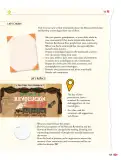
Let's Reorient It

After having reviewed the origins and development of the Mexican Revolution, you are now going to read some testimonials of people who lived at the time or participated in the Mexican Revolution.

Ejemplos resueltos

Women __________ (feed) soldiers at camps.

El sujeto Women es plural y la acción es un hecho pasado terminado. Feed es irregular: feed → fed. Respuesta: fed.

It's an image __________ (make) famous by Mexican photographer Agustín Victor Casasola.

Se trata de una construcción pasiva en pasado: was made. Make es irregular: make → made. Respuesta: made.

Glosario (6)

machismo
Actitud o conducta de superioridad de los hombres sobre las mujeres.
rebozo
Prenda tradicional mexicana, especie de chal largo que cubre cabeza y hombros.
bandolier
Bandolera; correa que cruza el pecho y sostiene cartuchos.
corrido
Canción narrativa tradicional mexicana que cuenta historias y hazañas.
faction
Facción; grupo dentro de un conflicto o movimiento.
testimonial
Testimonio; relato de una persona que vivió un hecho.

Preguntas para practicar

Why were women's stories pushed into the background during the Mexican Revolution?

Because of *machismo* and because men wanted to keep their families out of harm's way, women's participation was minimized in official accounts. Their contributions as soldiers, nurses, and workers were often invisible in the historical record.

What does the image of the Adelita represent?

The Adelita represents the Mexican woman who participated in the Revolution, often depicted with humble dress, a rebozo, a bandolier, and a rifle. She symbolizes courage, sacrifice, and the often-overlooked role of women in armed conflict.

Temas y conceptos clave

Participación de las mujeres en la Revolución MexicanaLas AdelitasTiempos verbales en pasado en inglésSimple pastPast continuousVerbos irregularesAdelitasCruz BlancaCorrido

Fuentes y referencias

  • Newspaper Excélsior (1948)
  • Photographs by Agustín Victor Casasola
¿Te fue útil esta página?

Figuras de la página (1)

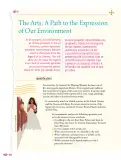
Nota adhesiva con líneas decorativas y el título 'Let's Reorient It'.
Figura 1 image

Preguntas que la gente también hace

¿Quiénes fueron las Adelitas y qué papel tuvieron en la Revolución Mexicana?
Consulta la solución completa arriba o explora el libro entero para temas relacionados.
¿Cómo se forma el pasado simple de los verbos regulares e irregulares en inglés?
Consulta la solución completa arriba o explora el libro entero para temas relacionados.
¿Cuál es la diferencia entre past simple y past continuous en inglés?
Consulta la solución completa arriba o explora el libro entero para temas relacionados.
📌 Antes de leer esto
  • • Conjugación básica del verbo to be en pasado (was/were)
  • • Reconocimiento de verbos regulares e irregulares en inglés
  • • Vocabulario básico sobre guerra, roles y ocupaciones
Siguiente tema sugerido
Lectura de testimonios de la Revolución Mexicana y análisis de fuentes primarias
📝 Transcripción de la página (texto seleccionable) 1627 caracteres

As in most wars, women (participate), but they and their stories have been pushed into the background, both because of machismo and because of the real desire by men to keep their families out of harm's way. Women (feed) soldiers at camps and often (take) care of each others'children and (take) over male jobs such as farming. Women (pick) up guns as well, either to defend themselves while their men (be) off fighting somewhere else or because they (be)motivated to join one of the factions.
The classic Adelita is depicted with humble dress, rebozo (a long shawl), bandolier; and rifle. It's an image (make) famous by Mexican photographer Agustín Victor Casasola and others who (spend) years documenting the fighting for the national and international press. The image has some basis in reality as Adelitas (be) almost always poor and in rural areas, where fighting (be) heavy.

[]

There are a number of claims that the original Adelita (be) a military nurse by the name of Adela Velardo Pérez, who (run) away from home at the age of 14 to join the Cruz Blanca (White Cross), an organization that (tend) to wounded soldiers.In 1948, Velardo (tell) the newspaper Excélsior that the famous"Adelita"corrido had been composed by Sergeant Antonio del Rio, who (be) in love with her; but

(die) before the two (can) marry.

p)naaxsepans as ed sep sa eda e

Let's Reorient It

After having reviewed the origins and development of the Mexican Revolution, you are now going to read some testimonials of people who lived at the time or participated in the Mexican Revolution.

![](page=0,bbox=[604, 960, 1213, 1442])

乐

156

Ad

Otros libros recomendados

Ver todos →
Ad

Usamos cookies propias y de terceros para personalizar contenido, mostrar publicidad y analizar el tráfico. Las cookies necesarias siempre están activas.