













Saltar al contenido
MisLibrosTexto
Ad

Let's Create! y Let's Reflect!: testimonios y monólogos de la Revolución Mexicana

📄 ejercicios ingles 🎓 otro · 2° TELESECUNDARIA México 🇲🇽 MX 🗣 Español
Página 160
160 de 171
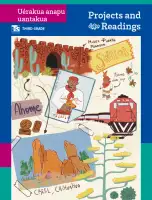
Página 160 de Uérakua anapu uantakua. Projects and Readings.  Libro de Educación Telesecundaria Grado 2°  Ciclo Escolar 2025 - 2026
Anterior Página 160 / 171 Siguiente

Respuesta rápida

Proyecto: recopilar testimonios orales, investigar, escribir y representar un monólogo sobre la Revolución Mexicana, presentarlo a la comunidad y reflexionar sobre memoria e identidad colectiva.

📚 exercise ingles ⭐⭐ Dificultad 2/5 ⏱ 6 min lectura

Solución — Página 160

Uérakua anapu uantakua. Projects and Readings. Libro de Educación Telesecundaria Grado 2° Ciclo Escolar 2025 - 2026

1
Ejercicio 1

Now it's your turn to find testimonials about the Mexican Revolution and develop a monologue from one of them.

a
Parte 1.a

Ask your parents, grandparents, or some older adults in your community if they know testimonials about the Mexican Revolution from people from your community.

Respuesta orientativa: Se entrevista a familiares o adultos mayores con preguntas guía: ¿qué historias escuchó sobre la Revolución?, ¿quiénes participaron?, ¿qué cambió en el pueblo? Se registran respuestas en una libreta o grabadora, anotando nombre, edad y relación con el narrador.

b
Parte 1.b

When you find a testimonial that you especially like, research more about it.

Respuesta orientativa: Se elige el testimonio más significativo y se contrasta con fuentes históricas (libros, archivos locales, periódicos) para ubicar fechas, personajes y lugares; así el monólogo gana verosimilitud y rigor.

c
Parte 1.c

Prepare a monologue based on the testimonial as if you were the person telling their story.

Respuesta orientativa: El monólogo se escribe en primera persona, con inicio (contexto), nudo (conflicto vivido) y cierre (aprendizaje). Se cuida el tono, el vocabulario de época y una duración de 2 a 3 minutos.

d
Parte 1.d

As a class, define a date, time, and means of promotion to present your monologues to your community.

Respuesta orientativa: Se acuerda una fecha y hora en el calendario escolar, se elige un espacio (patio, salón de usos múltiples) y se definen medios de difusión: carteles, perífono, redes sociales o invitaciones escritas.

e
Parte 1.e

Prepare the clothes you will need, accessories, and scenography for your monologues.

Respuesta orientativa: Se seleccionan vestuario y utilería alusivos a la época (sombreros, rebozos, carretas, periódicos) y se diseña una escenografía sencilla con materiales reciclados.

f
Parte 1.f

Promote your presentation and invite your family, friends, and community.

Respuesta orientativa: Se elaboran invitaciones y se difunde la actividad por distintos medios; se asigna un comité de recepción y otro de registro de asistentes.


2
Ejercicio 2

Let's Reflect!

2
Ejercicio 2

1

The day of your presentation, leave a notebook for comments and suggestions on your monologues.

Respuesta orientativa: Se coloca una libreta o buzón de opiniones a la entrada; al final se recogen comentarios escritos del público sobre claridad, emotividad y fidelidad del testimonio.

Ad
2
Ejercicio 2

2

As a class, read the comments and suggestions, and discuss:

2
Ejercicio 2

2.a

What you learned from this project.

Respuesta orientativa: Se aprende a investigar fuentes orales, a escribir y representar un texto dramático y a valorar la historia local como parte de la historia nacional.

2
Ejercicio 2

2.b

How your perspective of the Mexican Revolution and the history of Mexico has changed after reading, listening, and representing testimonials of people who actually experienced the events.

Respuesta orientativa: La Revolución deja de ser solo fechas y héroes para volverse experiencia humana: hambre, miedo, esperanza y cambios cotidianos narrados por quienes los vivieron.

Ad
2
Ejercicio 2

2.c

How this kind of projects can be important to recover the memory of our community and our ancestors and for our collective identity.

Respuesta orientativa: Los proyectos de historia oral rescatan voces que no aparecen en los libros, fortalecen la identidad colectiva y vinculan a las nuevas generaciones con sus antepasados.

Respuesta

Proyecto resuelto: recopilación de testimonios, monólogo, presentación comunitaria y reflexión sobre memoria e identidad.

Contenido de la página

Let's Create!

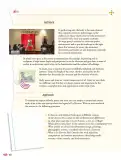
  1. Now it's your turn to find testimonials about the Mexican Revolution and develop a monologue from one of them.
  • a) Ask your parents, grandparents, or some older adults in your community if they know testimonials about the Mexican Revolution from people from your community.
  • b) When you find a testimonial that you especially like, research more about it.
  • c) Prepare a monologue based on the testimonial as if you were the person telling their story.
  • d) As a class, define a date, time, and means of promotion to present your monologues to your community.
  • e) Prepare the clothes you will need, accessories, and scenography for your monologues.
  • f) Promote your presentation and invite your family, friends, and community.

Let's Reflect!

  1. The day of your presentation, leave a notebook for comments and suggestions on your monologues.
  2. As a class, read the comments and suggestions, and discuss:
    • a) What you learned from this project.
    • b) How your perspective of the Mexican Revolution and the history of Mexico has changed after reading, listening, and representing testimonials of people who actually experienced the events.
    • c) How this kind of projects can be important to recover the memory of our community and our ancestors and for our collective identity.

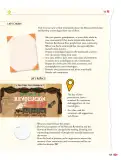
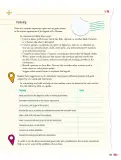
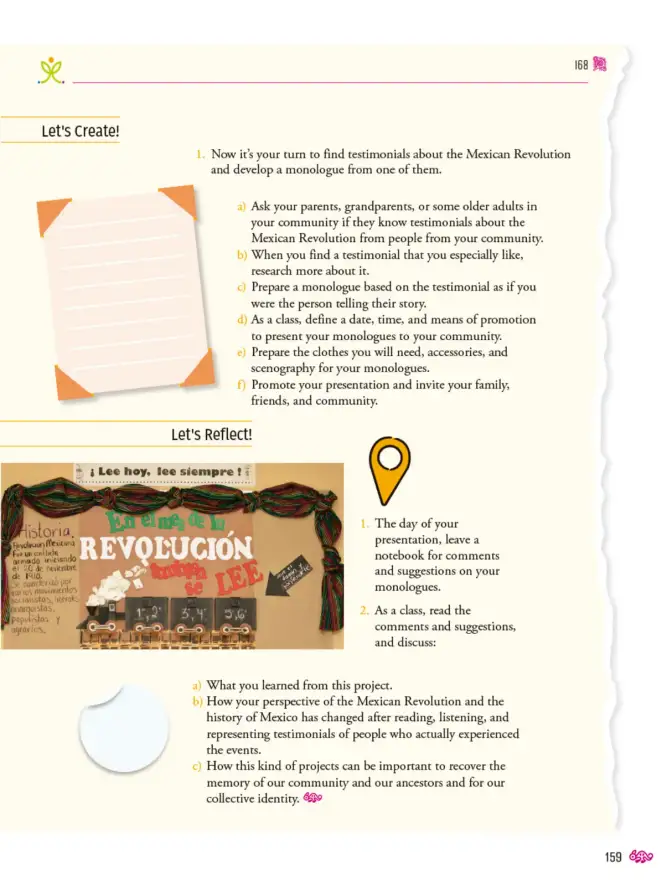
¡Lee hoy, lee siempre! En el mes de la Revolución, todos se lee.

Glosario (5)

testimonial
testimonio o relato de una persona que vivió un hecho histórico
monologue
monólogo; discurso teatral de una sola persona
scenography
escenografía; conjunto de decorados y ambiente de una obra
ancestors
antepasados; familiares de generaciones anteriores
collective identity
identidad colectiva; sentido de pertenencia a un grupo o comunidad

Preguntas para practicar

What you learned from this project.

Se aprende a investigar fuentes orales, escribir y representar un texto dramático y valorar la historia local.

How your perspective of the Mexican Revolution and the history of Mexico has changed after reading, listening, and representing testimonials of people who actually experienced the events.

La Revolución deja de ser solo fechas y héroes para volverse experiencia humana narrada por sus protagonistas.

How this kind of projects can be important to recover the memory of our community and our ancestors and for our collective identity.

Rescatan voces ausentes en los libros, fortalecen la identidad colectiva y vinculan a las nuevas generaciones con sus antepasados.

Temas y conceptos clave

Revolución MexicanaTestimonios oralesMonólogoMemoria colectivatestimoniomonólogohistoria oralidentidad colectivaescenografía
¿Te fue útil esta página?

Figuras de la página (4)

Hoja de papel con esquinas naranjas, espacio para escribir el testimonio.
Figura 1 image
Mural escolar con la leyenda 'En el mes de la Revolución todos se lee' y un tren revolucionario.
Figura 2 image
Ícono de un pin de mapa amarillo.
Figura 3 image
Círculo blanco vacío para escribir o dibujar.
Figura 4 image

Preguntas que la gente también hace

¿Cómo hacer un monólogo basado en un testimonio oral?
Consulta la solución completa arriba o explora el libro entero para temas relacionados.
¿Qué preguntas hacer para recopilar testimonios de la Revolución Mexicana?
Consulta la solución completa arriba o explora el libro entero para temas relacionados.
¿Por qué es importante rescatar la memoria histórica de la comunidad?
Consulta la solución completa arriba o explora el libro entero para temas relacionados.
📌 Antes de leer esto
  • • Conocimientos básicos sobre la Revolución Mexicana
  • • Redacción de textos en primera persona
  • • Expresión oral y escénica
Siguiente tema sugerido
Presentación de monólogos y evaluación entre pares
📝 Transcripción de la página (texto seleccionable) 1452 caracteres

Let's Create!

  1. Now it's your turn to find testimonials about the Mexican Revolution and develop a monologue from one of them.

a)Ask your parents, grandparents, or some older adults in your community if they know testimonials about the Mexican Revolution from people from your community.b)When you find a testimonial that you especially like,research more about it. Prepare a monologue based on the testimonial as if you were the person telling their story. d) As a class, define a date, time, and means of promotion to present your monologues to your community.e)Prepare the clothes you will need, accessories, and scenography for your monologues. f) Promote your presentation and invite your family,friends, and community.

Let's Reflect!

  1. The day of your presentation, leave a notebook for comments and suggestions on your monologues.

  2. As a class, read the comments and suggestions, and discuss:

b) How your perspective of the Mexican Revolution and the history of Mexico has changed after reading, listening, and representing testimonials of people who actually experienced the events.

How this kind of projects can be important to recover the memory of our community and our ancestors and for our collective identity.

災

168

![](page=0,bbox=[59, 330, 397, 727])

![](page=0,bbox=[662, 785, 742, 912])

![](page=0,bbox=[1, 833, 621, 1171])

a) What you learned from this project.

![](page=0,bbox=[136, 1230, 309, 1399])

159

8

Ad

Otros libros recomendados

Ver todos →
Ad

Usamos cookies propias y de terceros para personalizar contenido, mostrar publicidad y analizar el tráfico. Las cookies necesarias siempre están activas.