















Saltar al contenido
MisLibrosTexto
Ad

Exploration: Assessing the Script-Writing Process and Project Options

📄 ejercicios ingles 🎓 otro · 3° TELESECUNDARIA México 🇲🇽 MX 🗣 Español
Página 124
124 de 187
Página 124 de Uérakua anapu uantakua. Projects and Readings.  Libro de Educación Telesecundaria Grado 3°  Ciclo Escolar 2025 - 2026
Anterior Página 124 / 187 Siguiente

Respuesta rápida

1.a Dudas sobre trama, escenas y diálogos. 1.b Algunas actividades a tiempo y otras con retraso. 1.c Incluir lectura en voz alta, retroalimentación y ensayo. 2. Tabla con conclusiones y acuerdos.

📚 exercise ingles ⭐⭐ Dificultad 2/5 ⏱ 8 min lectura

Solución — Página 124

Uérakua anapu uantakua. Projects and Readings. Libro de Educación Telesecundaria Grado 3° Ciclo Escolar 2025 - 2026

1
Ejercicio 1

In communities, assess the actions carried out, based on the questions below.

a
Parte 1.a

What questions arose while writing the theatrical script?

  1. Identify the stage of the process where doubts appeared (plot, characters, scenes, draft).
  2. List the most frequent questions: How to define the plot? How many scenes are needed? How to distribute dialogue?
  3. Classify them into content questions (what to write) and form questions (how to write it).
Respuesta

Preguntas frecuentes: ¿cómo definir la trama?, ¿cuántas escenas incluir?, ¿cómo distribuir los diálogos?, ¿qué extensión debe tener el guion?

b
Parte 1.b

Are activities being carried out on time and as planned?

  1. Compare the planned schedule with the actual progress of each activity.
  2. Mark each activity as completed, delayed, or pending.
  3. Identify causes of delay: lack of time, unclear ideas, absent team members.
Respuesta

Se revisa el cronograma; algunas actividades se cumplen a tiempo y otras presentan retrasos por falta de organización o de claridad en las ideas.

c
Parte 1.c

Is there any other action or activity that should be included in the script-writing process?

  1. Review the steps already completed: plot, characters, scenes, draft, revision.
  2. Detect missing steps: reading aloud, peer feedback, final editing, rehearsal.
  3. Propose new actions and assign responsible team members.
Respuesta

Sí; conviene incluir lectura en voz alta, retroalimentación entre compañeros, edición final y ensayo antes de la entrega.

2
Ejercicio 2

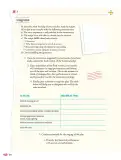
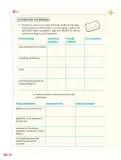
Fill in a table with the conclusions drawn by answering the questions above. Include new agreements, if any.

  1. Organize the answers from Exercise 1 into three columns: Aspect, Conclusion, Agreement.
  2. Write one row per question (a, b, c).
  3. Add a final row for new agreements reached by the team.

Project Options (reference table)

  1. Option 1: Write a dramatic text, creating its plot, characters, setting, and props.
  2. Option 2: Write a monologue where a character tells their story.
  3. Both options follow the same process: define the plot, outline characters and scenes, create a scene-by-scene overview, write a draft, and revise it.

Respuesta: Ambas opciones comparten el mismo proceso de escritura; la diferencia es el formato: texto dramático (opción 1) o monólogo (opción 2).

Respuesta

Tabla completada con conclusiones sobre dudas, cumplimiento de tiempos y nuevas acciones, más los acuerdos del equipo.

Contenido de la página

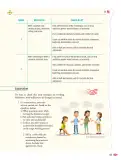
Option Table

Option What to Do? How to Do It?
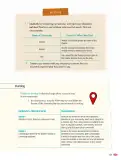
1 Write a dramatic text, creating its plot, characters, setting, and props. First, define the plot of the monologue, such as drug addiction, gender-based violence, or insecurity. Then, outline the characters, length, and number of scenes. Create an overview scene by scene to establish a sequence: beginning, development, and end. Write a draft and revise it until it is suitable for final submission.
2 Write a monologue where a character tells their story. First, define the plot of the theatrical script, such as drug addiction, gender-based violence, or insecurity. Then, outline the character, duration, and number of scenes. Create an overview scene by scene to establish a sequence: beginning, development, and end. Write a draft and revise it until it is suitable for final submission.

Exploration

It's time to check that your strategies are working. Otherwise, they will have to be changed as needed.

  1. In communities, assess the actions carried out, based on the questions below: a) What questions arose while writing the theatrical script? b) Are activities being carried out on time and as planned? c) Is there any other action or activity that should be included in the script-writing process?

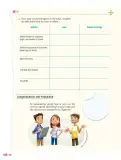
  2. Fill in a table with the conclusions drawn by answering the questions above. Include new agreements, if any.

Tabla

Option What to Do? How to Do It?
1 Write a dramatic text, creating its plot, characters, setting, and props. First, define the plot of the monologue, such as drug addiction, gender-based violence, or insecurity. Then, outline the characters, length, and number of scenes. Create an overview scene by scene to establish a sequence: beginning, development, and end. Write a draft and revise it until it is suitable for final submission.
2 Write a monologue where a character tells their story. First, define the plot of the theatrical script, such as drug addiction, gender-based violence, or insecurity. Then, outline the character, duration, and number of scenes. Create an overview scene by scene to establish a sequence: beginning, development, and end. Write a draft and revise it until it is suitable for final submission.

Glosario (5)

Plot
Trama o argumento de una obra.
Monologue
Monólogo; discurso de un solo personaje.
Props
Utilería o accesorios usados en escena.
Draft
Borrador de un texto.
Scene
Escena; unidad de una obra teatral.

Preguntas para practicar

What questions arose while writing the theatrical script?

Surgieron dudas sobre cómo definir la trama, cuántas escenas incluir y cómo distribuir los diálogos entre los personajes.

Are activities being carried out on time and as planned?

Algunas actividades se cumplen según el cronograma, pero otras presentan retrasos por falta de organización o claridad en las ideas.

Is there any other action or activity that should be included in the script-writing process?

Sí, conviene incluir la lectura en voz alta, la retroalimentación entre compañeros, la edición final y el ensayo antes de la entrega.

Temas y conceptos clave

Escritura de textos dramáticosMonólogosEvaluación del proceso de escrituraAcuerdos de equipoPlotCharactersSettingPropsMonologueScenesDraftRevision
¿Te fue útil esta página?

Figuras de la página (2)

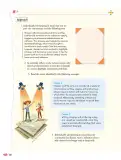
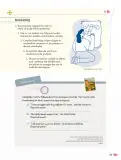
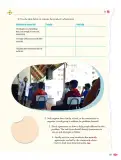
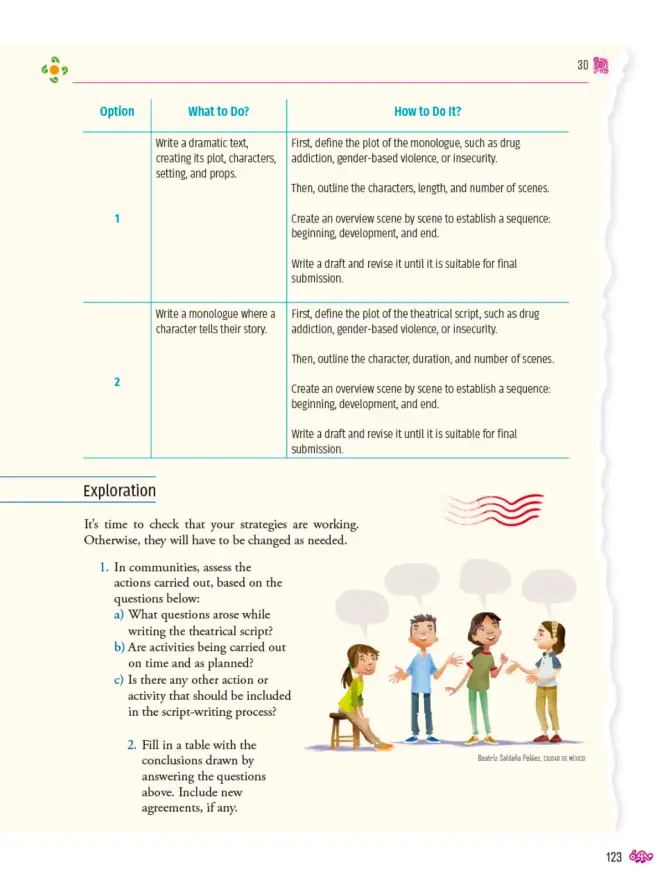
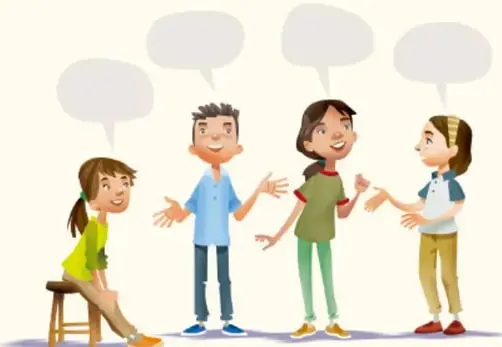
Ilustración de cuatro estudiantes conversando con globos de diálogo, uno sentado en un banco.
Figura 1 image
Figura 2 de Uérakua anapu uantakua. Projects and Readings.  Libro de Educación Telesecundaria Grado 3°  Ciclo Escolar 2025 - 2026
Figura 2 image

Preguntas que la gente también hace

¿Cómo se escribe un monólogo en inglés para secundaria?
Consulta la solución completa arriba o explora el libro entero para temas relacionados.
¿Qué elementos debe tener un texto dramático?
Consulta la solución completa arriba o explora el libro entero para temas relacionados.
¿Cómo evaluar el proceso de escritura de un guion teatral?
Consulta la solución completa arriba o explora el libro entero para temas relacionados.
📌 Antes de leer esto
  • • Vocabulario básico en inglés sobre teatro y escritura
  • • Estructura narrativa: inicio, desarrollo y desenlace
  • • Uso de tablas para organizar información
Siguiente tema sugerido
Redacción del borrador final del texto dramático o monólogo
📝 Transcripción de la página (texto seleccionable) 1624 caracteres

Exploration

It's time to check that your strategies are working.Otherwise, they will have to be changed as needed.

  1. In communities, assess the actions carried out, based on the questions below:a)What questions arose while writing the theatrical script?b) Are activities being carried out on time and as planned?c) Is there any other action or activity that should be included in the script-writing process?

  2. Fill in a table with the conclusions drawn by answering the questions above. Include new agreements, if any.

30

OptionWhat to Do?How to Do It?
1Write a dramatic text, creating its plot, characters, setting, and props.First, define the plot of the monologue, such as drug addiction, gender-based violence, or insecurity. Then, outline the characters, length, and number of scenes. Create an overview scene by scene to establish a sequence: beginning, development, and end. Write a draft and revise it until it is suitable for final submission.
2Write a monologue where a character tells their story.First, define the plot of the theatrical script, such as drug addiction, gender-based violence, or insecurity. Then, outline the character, duration, and number of scenes. Create an overview scene by scene to establish a sequence: beginning, development, and end. Write a draft and revise it until it is suitable for final submission.

![](page=0,bbox=[549, 1006, 1051, 1353])

Beatriz Saldaa Peliez, CIuAD DE MExic

![](page=0,bbox=[789, 890, 981, 949])

123

Ad

Otros libros recomendados

Ver todos →
Ad

Usamos cookies propias y de terceros para personalizar contenido, mostrar publicidad y analizar el tráfico. Las cookies necesarias siempre están activas.