

















Plan the Steps: proyecto comunitario y reported requests
Respuesta rápida
Petición reportada: sujeto + ask/request + objeto + to-infinitive. Negativa: + not + to-infinitive. Ej.: He asked me to help / He asked me not to help.
Solución — Página 143
Uérakua anapu uantakua. Projects and Readings. Libro de Educación Telesecundaria Grado 3° Ciclo Escolar 2025 - 2026
Paso 1
Enunciado: In community, structure the project. Identify the information you need to research for your campaign.
- Se elige un tema de campaña, por ejemplo, cómo detectar noticias falsas.
- Se consultan fuentes confiables: Colección Nanahuatzin. De lo humano y lo comunitario. Tercer grado y la biblioteca del aula.
- Se registran las fuentes en una ficha para citarlas.
Respuesta orientativa: La información a investigar incluye qué es una noticia falsa, cómo se propaga una infodemia, qué fuentes oficiales existen y qué acciones puede tomar la comunidad.
Paso 2
Enunciado: Distribute the tasks equitably, keeping in mind that collective participation is necessary.
- Se listan las tareas: investigación, diseño, difusión, documentación.
- Se asignan por equipos según habilidades.
- Se acuerda una fecha de entrega por tarea.
Respuesta orientativa: Una distribución equitativa asigna a cada integrante una tarea concreta y verificable, de modo que todos participen y nadie quede sin responsabilidad.
Paso 3
Enunciado: Define the materials you will use for your campaign.
- Se eligen formatos: infografía sobre detección de noticias falsas o cartel sobre la infodemia.
- Se verifica la información antes de publicarla.
- Se usan las redes sociales de la escuela para difundir.
- Se pide apoyo al docente para coordinar permisos.
- Se nombra una comisión que documente con fotos y video.
Respuesta orientativa: Los materiales deben ser claros, breves, con datos verificados y adaptados al público de la comunidad.
Paso 4
Enunciado: Be prepared to answer any questions about these topics.
- Se anticipan preguntas frecuentes: ¿qué es una infodemia?, ¿cómo verifico una fuente?, ¿por qué es peligrosa la desinformación?
- Se preparan respuestas breves con evidencia.
Respuesta orientativa: Una infodemia es la sobreabundancia de información, mucha de ella falsa o sin verificar, que dificulta encontrar fuentes confiables durante una crisis.
Grammar: Requests
Enunciado: A request is when you ask someone to do something, usually in a polite way.
- Peticiones directas: please, can you, could you, would you.
- Could you help me with the poster, please?
- Peticiones indirectas o reportadas: se usa ask o request (formal) + objeto + to-infinitive.
- Afirmativa: subject + verb to express request + object + to-infinitive. He asked me to help him with that.
- Negativa: subject + verb to express request + object + not + to-infinitive. He asked me not to help him with that.
Respuesta orientativa: En una petición reportada el verbo principal va en pasado (asked, requested) y el verbo de la acción pedida queda en infinitivo con to; la negación se coloca antes de to.
Contenido de la página
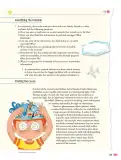
Plan the Steps
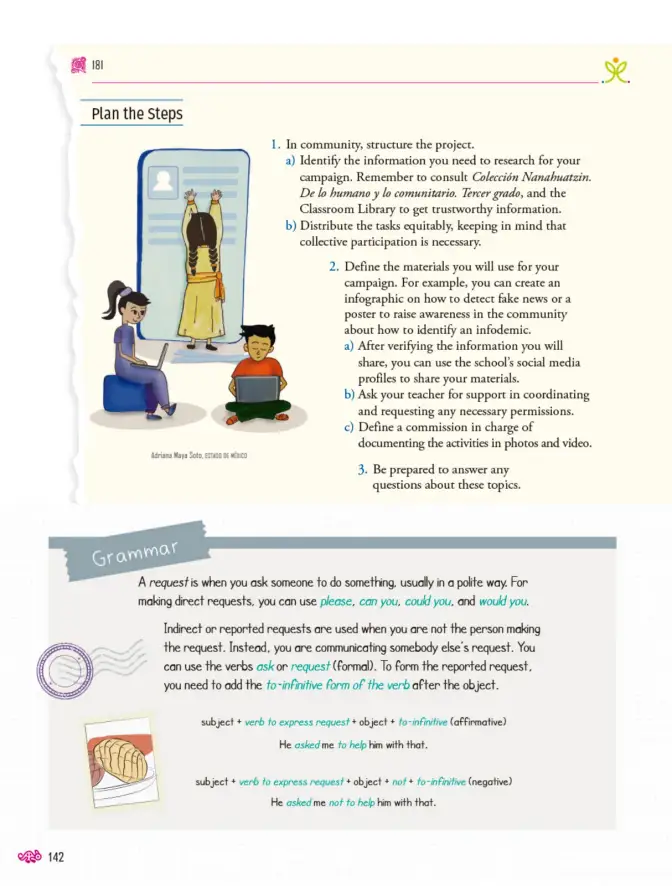
In community, structure the project. a) Identify the information you need to research for your campaign. Remember to consult Colección Nanahuatzin. De lo humano y lo comunitario. Tercer grado, and the Classroom Library to get trustworthy information. b) Distribute the tasks equitably, keeping in mind that collective participation is necessary.
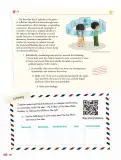
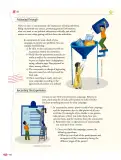
Define the materials you will use for your campaign. For example, you can create an infographic on how to detect fake news or a poster to raise awareness in the community about how to identify an infodemic. a) After verifying the information you will share, you can use the school's social media profiles to share your materials. b) Ask your teacher for support in coordinating and requesting any necessary permissions. c) Define a commission in charge of documenting the activities in photos and video.
Be prepared to answer any questions about these topics.
Grammar
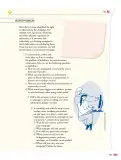
A request is when you ask someone to do something, usually in a polite way. For making direct requests, you can use please, can you, could you, and would you.
Indirect or reported requests are used when you are not the person making the request. Instead, you are communicating somebody else's request. You can use the verbs ask or request (formal). To form the reported request, you need to add the to-infinitive form of the verb after the object.
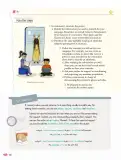
subject + verb to express request + object + to-infinitive (affirmative)
He asked me to help him with that.
subject + verb to express request + object + not + to-infinitive (negative)
He asked me not to help him with that.
Ejemplos resueltos
Transforma en petición reportada: "Can you help me with the infographic?"
- Verbo de petición en pasado: asked.
- Objeto: me.
- Verbo de la acción en to-infinitive: to help.
Resultado: He asked me to help him with the infographic.
Transforma en petición reportada negativa: "Please, don't share the poster yet."
- Verbo de petición: asked.
- Objeto: us.
- Negación + to-infinitive: not to share.
Resultado: He asked us not to share the poster yet.
Tabla
| Tipo de petición | Marcadores | Ejemplo |
|---|---|---|
| Directa | please, can you, could you, would you | Could you help me, please? |
| Reportada afirmativa | ask/request + object + to-infinitive | He asked me to help him. |
| Reportada negativa | ask/request + object + not + to-infinitive | He asked me not to help him. |
Diagrama
flowchart TD
  A[Plan the Steps] --> B[1. Structure the project]
  A --> C[2. Define materials]
  A --> D[3. Answer questions]
  B --> B1[Research trustworthy info]
  B --> B2[Distribute tasks]
  C --> C1[Infographic or poster]
  C --> C2[Verify and share]
  C --> C3[Permissions and documentation]
Fórmulas y ecuaciones
\text{subject} + \text{verb to express request} + \text{object} + \text{to-infinitive}
\text{subject} + \text{verb to express request} + \text{object} + \text{not} + \text{to-infinitive}
Glosario (6)
- request
- Petición; acto de pedir algo a alguien, generalmente de forma cortés.
- reported request
- Petición indirecta que reproduce lo que otra persona pidió.
- to-infinitive
- Forma verbal precedida por 'to' (to help, to go).
- infodemic
- Infodemia: exceso de información, a menudo falsa, sobre un tema.
- fake news
- Noticias falsas difundidas como si fueran verdaderas.
- campaign
- Campaña organizada para lograr un objetivo social.
Preguntas para practicar
Why is it important to verify information before sharing it?
Porque compartir datos sin verificar propaga la infodemia y puede causar daños sociales; verificar en fuentes oficiales protege a la comunidad.
How can you make a polite request in English?
Usando please, can you, could you o would you para peticiones directas, y ask/request + object + to-infinitive para reportarlas.
Temas y conceptos clave
Fuentes y referencias
- Colección Nanahuatzin. De lo humano y lo comunitario. Tercer grado
- Classroom Library
Figuras de la página (3)


Preguntas que la gente también hace
¿Cómo se forma una petición reportada en inglés?
¿Cuál es la diferencia entre can you, could you y would you?
¿Qué es una infodemia y cómo se combate?
- • Uso básico del infinitivo con to
- • Verbos ask y request
- • Vocabulario de medios y redes sociales
📝 Transcripción de la página (texto seleccionable) 1782 caracteres
Plan the Steps
- In community, structure the project.
a) Identify the information you need to research for your campaign. Remember to consult Colección Nanahuatzin De io bumano y lo comunitario. Tercer grado, and the Classroom Library to get trustworthy information.b) Distribute the tasks equitably, keeping in mind that collective participation is necessary.
Define the materials you will use for your campaign. For example, you can create an infographic on how to detect fake news or a poster to raise awareness in the community about how to identify an infodemic.a) After verifying the information you will share, you can use the school's social media profiles to share your materials. b) Ask your teacher for support in coordinating and requesting any necessary permissions.c) Define a commission in charge of documenting the activities in photos and video.
Be prepared to answer any questions about these topics.
Grammar
A request is when you ask someone to do something, usually in a polite way. For making direct requests, you can use please, can you, could you, and would you.
Indirect or reported requests are used when you are not the person making the request. Instead, you are communicating somebody else's request. You can use the verbs askor request(formal). To form the reported request,you need to add the to-infinitive form of the verb after the object.
subject + venb to express request+ object + to-infinitive(affirmative)He asked me to help him with that.
subject + verb to express request+ object + not + to-infinitive (negative)He asked me not to help him with that.
181
.灾.
Adriana Maya Soto, ESTaD DE MExiCO


142
Otros libros recomendados

Colección Nanahuatzin. Lenguajes. Libro de Educación Telesecundaria Grado 3° Ciclo Escolar 2025 - 2026
SEP/CONALITEG
323 págs.
Colección Nanahuatzin. Ética, naturaleza y sociedades. Libro de Educación Telesecundaria Grado 3° Ciclo Escolar 2025 - 2026
SEP/CONALITEG
355 págs.

Colección Nanahuatzin. De lo humano y lo comunitario. Libro de Educación Telesecundaria Grado 3° Ciclo Escolar 2025 - 2026
SEP/CONALITEG
259 págs.

Colección Nanahuatzin. Nuestro libro de Proyectos. Tomo II. Libro de Educación Telesecundaria Grado 3° Ciclo Escolar 2025 - 2026
SEP/CONALITEG
275 págs.

Colección Nanahuatzin. Saberes y pensamiento científico. Libro de Educación Telesecundaria Grado 3° Ciclo Escolar 2025 - 2026
SEP/CONALITEG
339 págs.
Colección Nanahuatzin. Nuestro libro de Proyectos. Tomo I. Libro de Educación Telesecundaria Grado 3° Ciclo Escolar 2025 - 2026
SEP/CONALITEG
299 págs.

Colección Nanahuatzin. Nuestro libro de Proyectos. Tomo III. Libro de Educación Telesecundaria Grado 3° Ciclo Escolar 2025 - 2026
SEP/CONALITEG
291 págs.

Colección Nanahuatzin. Múltiples lenguajes. Libro de Educación Telesecundaria Grado 3° Ciclo Escolar 2025 - 2026
SEP/CONALITEG
163 págs.