















Saltar al contenido
MisLibrosTexto
Ad

Grammar: Simple Past, Past Progressive and Used to

📄 ejercicios ingles 🎓 otro · 3° TELESECUNDARIA México 🇲🇽 MX 🗣 Español
Página 15
15 de 187
Página 15 de Uérakua anapu uantakua. Projects and Readings.  Libro de Educación Telesecundaria Grado 3°  Ciclo Escolar 2025 - 2026
Anterior Página 15 / 187 Siguiente

Respuesta rápida

  1. Tabla de estructuras del pasado. 2.a wrote, 2.b visited, 2.c wore, 2.d listened.
📚 exercise ingles ⭐⭐ Dificultad 2/5 ⏱ 6 min lectura

Solución — Página 15

Uérakua anapu uantakua. Projects and Readings. Libro de Educación Telesecundaria Grado 3° Ciclo Escolar 2025 - 2026

1
Ejercicio 1

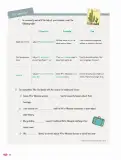
In community and with the help of your teacher, read the following table.

  1. Se lee la tabla de gramática que compara tres estructuras del pasado.
  2. Simple past tense: estructura subject + verb in past tense. Ejemplo: African slaves worked in mines and on farms. Se usa para acciones o eventos completados en el pasado.
  3. Past progressive tense: estructura subject + was/were + present participle (-ing). Ejemplo: They were singing songs to keep their spirits up. Se usa para acciones que estaban en desarrollo en el pasado.
  4. Used to: estructura subject + used to + verb in base form. Ejemplo: Some Afro-Mexicans used to work in mines. Se usa para hábitos o estados del pasado que ya no son verdaderos.

Respuesta orientativa: La tabla permite identificar cuándo usar cada estructura: el pasado simple para acciones terminadas, el pasado progresivo para acciones en curso y used to para hábitos pasados.

2
Ejercicio 2

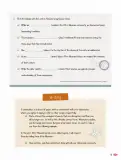
In communities, fill in the blanks with the verb in the simple past tense.

a
Parte 2.a

Some Afro-Mexican women ______ (write) powerful poems about their heritage.

  1. El verbo write es irregular.
  2. Su forma en pasado simple es wrote.
  3. Oración completa: Some Afro-Mexican women wrote powerful poems about their heritage.
Respuesta

wrote

b
Parte 2.b

Last summer, we ______ (visit) an Afro-Mexican community to learn about their history.

  1. El verbo visit es regular.
  2. Se agrega -ed a la base: visit + ed = visited.
  3. Oración completa: Last summer, we visited an Afro-Mexican community to learn about their history.
Respuesta

visited

c
Parte 2.c

My grandma ______ (wear) traditional Afro-Mexican clothing in her native town.

  1. El verbo wear es irregular.
  2. Su forma en pasado simple es wore.
  3. Oración completa: My grandma wore traditional Afro-Mexican clothing in her native town.
Respuesta

wore

d
Parte 2.d

We ______ (listen) to stories about Afro-Mexican heroes in school last year.

  1. El verbo listen es regular.
  2. Se agrega -ed a la base: listen + ed = listened.
  3. Oración completa: We listened to stories about Afro-Mexican heroes in school last year.
Respuesta

listened

Contenido de la página

Grammar

1. In community and with the help of your teacher, read the following table:

Structure Example Use
Simple past tense subject + verb in past tense African slaves worked in mines and on farms. Used to describe completed actions or events in the past.
Past progressive tense subject + was/were + present participle (-ing) They were singing songs to keep their spirits up. Used to describe actions that were ongoing in the past.
Used to subject + used to + verb in base form Some Afro-Mexicans used to work in mines. Used to describe past habits or states that are no longer true.

2. In communities, fill in the blanks with the verb in the simple past tense.

a) Some Afro-Mexican women ______ (write) powerful poems about their heritage.

b) Last summer, we ______ (visit) an Afro-Mexican community to learn about their history.

c) My grandma ______ (wear) traditional Afro-Mexican clothing in her native town.

d) We ______ (listen) to stories about Afro-Mexican heroes in school last year.

Answers: a) wrote; b) visited; c) wore; d) listened.

Ejemplos resueltos

African slaves ______ (work) in mines and on farms.

El verbo work es regular; se agrega -ed: worked. Oración: African slaves worked in mines and on farms.

They ______ (sing) songs to keep their spirits up.

El verbo sing es irregular; su pasado es sang. Oración: They sang songs to keep their spirits up.

Tabla

Structure Example Use
Simple past tense subject + verb in past tense African slaves worked in mines and on farms. Used to describe completed actions or events in the past.
Past progressive tense subject + was/were + present participle (-ing) They were singing songs to keep their spirits up. Used to describe actions that were ongoing in the past.
Used to subject + used to + verb in base form Some Afro-Mexicans used to work in mines. Used to describe past habits or states that are no longer true.

Diagrama

graph TD
A[Past Tenses] --> B[Simple Past]
A --> C[Past Progressive]
A --> D[Used to]
B --> B1[Completed actions]
C --> C1[Ongoing actions in the past]
D --> D1[Past habits no longer true]

Glosario (5)

heritage
herencia cultural; tradiciones y costumbres que se transmiten
Afro-Mexican
persona de ascendencia africana nacida en México o parte de su cultura
mines
minas; lugares donde se extraen minerales
spirits
ánimo o espíritu de una persona
native town
pueblo natal; lugar donde alguien nació

Preguntas para practicar

Why is it important to learn about Afro-Mexican heritage?

Learning about Afro-Mexican heritage helps us understand the cultural diversity of Mexico and recognize the contributions of Afro-Mexican people to history, music, food and traditions. It also promotes respect and inclusion.

Temas y conceptos clave

Simple past tensePast progressive tenseUsed toAfro-Mexican heritagePasado simple para acciones completadasPasado progresivo para acciones en desarrolloUsed to para hábitos pasadosVerbos regulares e irregulares
¿Te fue útil esta página?

Figuras de la página (2)

Ilustración de un paisaje desértico con cactus y montañas.
Figura 1 image
Ilustración de una maleta de viaje color turquesa.
Figura 2 image

Preguntas que la gente también hace

¿Cómo se forma el pasado simple en inglés?
Consulta la solución completa arriba o explora el libro entero para temas relacionados.
¿Cuál es la diferencia entre pasado simple y pasado progresivo?
Consulta la solución completa arriba o explora el libro entero para temas relacionados.
¿Cuándo se usa 'used to' en inglés?
Consulta la solución completa arriba o explora el libro entero para temas relacionados.
📌 Antes de leer esto
  • • Reconocer el verbo en presente
  • • Identificar sujeto y verbo en una oración
  • • Conocer la formación del pasado simple en inglés
Siguiente tema sugerido
Past continuous vs. simple past: acciones interrumpidas
📝 Transcripción de la página (texto seleccionable) 1258 caracteres

1.In community and with the help of your teacher; read the following table:

a) Some Afro-Mexican women (write) powerful poems about their heritage.

b)Last summer, we (visit) an Afro-Mexican community to learn about their history.

c)My grandma (wear) traditional Afro-Mexican clothing in her native town.

d)We (listen) to stories about Afro-Mexican heroes in school last year:

Grammar

![](page=0,bbox=[871, 89, 997, 248])

StructureExampleUse
Simple past tensesubject + verb in past tenseAfrican slaves wonked in mines and on farms.Used to describe completed actions or events in the past.
Past progressive tensesubject + was/were + present participle (-ing)They were singing songs to keep thein spinits up.Used to describe actions that were ongoing in the past.
Used tosubject + used to + venb in base fonmSome Afro-Mexicans used to wonk in mines.Used to describe past habits or states that are no longer true.
  1. In communities, fillin the blanks with the venb in the simple past tense.

![](page=0,bbox=[920, 1158, 1050, 1263])

14

Ad

Otros libros recomendados

Ver todos →
Ad

Usamos cookies propias y de terceros para personalizar contenido, mostrar publicidad y analizar el tráfico. Las cookies necesarias siempre están activas.