Saltar al contenido
MisLibrosTexto
Ad

Let's Create It! - Afro-descendant Music and Cultural Presentation Project

📄 ejercicios ingles 🎓 otro · 3° TELESECUNDARIA México 🇲🇽 MX 🗣 Español
Página 18
18 de 187
Página 18 de Uérakua anapu uantakua. Projects and Readings.  Libro de Educación Telesecundaria Grado 3°  Ciclo Escolar 2025 - 2026
Anterior Página 18 / 187 Siguiente

Respuesta rápida

El proyecto investiga la herencia africana en música y danza, crea una presentación con introducción, desarrollo y conclusión, y evalúa el aprendizaje y los acuerdos comunitarios sobre los afrodescendientes en México.

📚 exercise ingles ⭐⭐ Dificultad 2/5 ⏱ 8 min lectura

Solución — Página 18

Uérakua anapu uantakua. Projects and Readings. Libro de Educación Telesecundaria Grado 3° Ciclo Escolar 2025 - 2026

1
Ejercicio 1

Individually, considering everyone else, read the following text about African heritage in music and dance.

  1. Se lee el texto sobre la influencia africana en géneros como cha-cha, danzón, merengue, cumbia y tango.
  2. Se identifican los instrumentos: bongoes, maracas, güiro, marimba y charrasca (mandíbula de burro).
  3. Se reconocen danzas como los diablos, la tortuga, el macho mula, el toro de petate y el son de la artesa, bailado sobre una plataforma de madera (artesa) con formas de toros, vacas o caballos.
  4. Se comprende que el zapateado simboliza la venganza contra el amo blanco.
Respuesta

El texto explica que la música y danza afrodescendientes en México y América son un diario musical de fuerza, resiliencia y dolor, con instrumentos y danzas que recrean la vida de los africanos esclavizados.

2
Ejercicio 2

In communities, create a presentation about your research project that reflects one aspect of the historical and contemporary experiences of Afro-descendant populations, incorporating the emotions and vocabulary you encountered during your investigation.

a
Parte 2.a

Think about the emotions you felt or read other people felt while finding information and facts for your project.

Respuesta orientativa: Se pueden mencionar emociones como tristeza por la esclavitud, admiración por la resiliencia, orgullo por las contribuciones culturales y sorpresa al descubrir la presencia afro en México.

b
Parte 2.b

Decide on the structure of your presentation. Remember to include an introduction, development, and conclusion.

Respuesta orientativa: Introducción: presentar el tema y su importancia. Desarrollo: explicar el aspecto investigado con datos, ejemplos y emociones. Conclusión: reflexionar sobre el legado afrodescendiente y su vigencia.

c
Parte 2.c

Practice your presentation and suggest each other ways of improving it.

Respuesta orientativa: Ensayar en equipo, cronometrar el tiempo, mejorar la pronunciación, usar apoyos visuales y dar retroalimentación constructiva.

d
Parte 2.d

With the help of your teacher, decide on a date and place for your presentation.

Respuesta orientativa: Acordar con el docente una fecha y un espacio escolar (aula, patio, biblioteca) para la presentación comunitaria.

3
Ejercicio 3

Let's Present the Results!

  1. Invite your classmates, teachers, and family to attend your presentation.
  2. Gather everyone around, take a deep breath, and present your research.
  3. Ask someone to take pictures or record the presentation.

Respuesta orientativa: Se organiza la logística: invitaciones, presentación oral y registro audiovisual para documentar el proyecto.

Ad
4
Ejercicio 4

Let's Evaluate!

  1. In assembly, reflect on the aspect you researched, and your findings regarding enslaved Africans in New Spain and Afro-Mexicans in the present.
  2. Individually, evaluate your performance and the knowledge acquired. Answer: What did I learn? How did I communicate what I learned to others?
  3. Write in your notebooks the assembly agreements reached by the community to continue recovering information and reflecting on the history of Afro-descendant communities in Mexico and their contributions to Mexican culture, both past and present.

Respuesta orientativa:

  • ¿Qué aprendí? Sobre la presencia africana en la Nueva España y su legado musical y cultural.
  • ¿Cómo comuniqué lo aprendido? Mediante una presentación oral con apoyo visual y emocional.
  • Acuerdos: continuar investigando, compartir hallazgos y valorar las contribuciones afrodescendientes en la cultura mexicana actual.

Contenido de la página

Let's Create It!

1. Individually, considering everyone else, read the following:

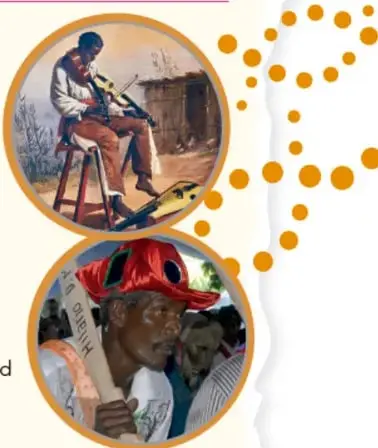
Music in the American continent and Mexico, like the cha-cha, danzón, merengue, cumbia, and tango, carries the vibrant influence of African heritage. The beats of bongoes, maracas, guiro, marimba, and even charrasca (made from a donkey jawbone) make these dances come alive with history. Afro-descendants poured their rhythms and emotions into songs, creating a musical diary expressing strength, resilience, and sometimes sorrow. Los diablos, la tortuga, el macho mula, and el toro de petate are dances that recreate aspects of the daily life of African enslaved people in the Viceroyalty period. For example, the son de la artesa is danced on a wooden platform or box (artesa) with carved forms of bulls, cows, or horses. The zapateado symbolizes revenge against the white master.

2. In communities, create a presentation about your research project that reflects one aspect of the historical and contemporary experiences of Afro-descendant populations, incorporating the emotions and vocabulary you encountered during your investigation.

a) Think about the emotions you felt or read other people felt while finding information and facts for your project.

b) Decide on the structure of your presentation. Remember to include an introduction, development, and conclusion.

c) Practice your presentation and suggest each other ways of improving it.

d) With the help of your teacher, decide on a date and place for your presentation.

Let's Present the Results!

  1. Invite your classmates, teachers, and family to attend your presentation.

  2. Gather everyone around, take a deep breath, and present your research.

  3. Ask someone to take pictures or record the presentation.

Let's Evaluate!

  1. In assembly, reflect on the aspect you researched, and your findings regarding enslaved Africans in New Spain and Afro-Mexicans in the present.

  2. Individually, without forgetting you are part of a community, evaluate your performance and the knowledge acquired. Answer the following questions in your notebook: What did I learn? How did I communicate what I learned to others?

  3. Finally, write in your notebooks the assembly agreements reached by the community to continue recovering information and reflecting on the history of Afro-descendant communities in Mexico and their contributions to Mexican culture, both past and present.

Glosario (5)

Afro-descendant
Persona descendiente de africanos, especialmente en el contexto de la diáspora.
Charrasca
Instrumento musical hecho de la mandíbula de un burro.
Artesa
Plataforma o caja de madera usada para bailar el son de la artesa.
Zapateado
Baile que simboliza la venganza contra el amo blanco.
Viceroyalty period
Periodo colonial de la Nueva España.

Preguntas para practicar

What did I learn?

Aprendí sobre la presencia africana en la Nueva España y su legado musical y cultural en México.

How did I communicate what I learned to others?

Lo comuniqué mediante una presentación oral con apoyo visual y emocional.

Temas y conceptos clave

Herencia africana en la música y danzaProyecto de investigación comunitariaExperiencias históricas y contemporáneas afrodescendientesEvaluación y reflexión comunitariaAfrodescendientesMúsica y danza tradicionalInstrumentos africanosEsclavitud en Nueva EspañaResiliencia culturalProyecto comunitario
¿Te fue útil esta página?

Figuras de la página (2)

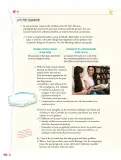
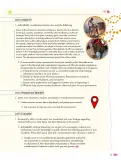
Ilustración de un músico afrodescendiente tocando un instrumento de cuerda.
Figura 1 image
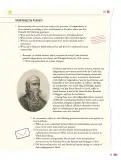
Fotografía de una persona afrodescendiente con vestimenta tradicional.
Figura 2 image

Preguntas que la gente también hace

¿Cómo influyó la herencia africana en la música mexicana?
Consulta la solución completa arriba o explora el libro entero para temas relacionados.
¿Qué instrumentos africanos se usan en las danzas tradicionales de México?
Consulta la solución completa arriba o explora el libro entero para temas relacionados.
¿Qué son los afrodescendientes y cómo contribuyeron a la cultura mexicana?
Consulta la solución completa arriba o explora el libro entero para temas relacionados.
📌 Antes de leer esto
  • • Vocabulario básico en inglés sobre música y cultura
  • • Conocimiento general de la historia de la esclavitud en América
  • • Habilidades de investigación y presentación oral
Siguiente tema sugerido
Presentación de resultados y evaluación de proyectos comunitarios
📝 Transcripción de la página (texto seleccionable) 2445 caracteres

Let's Create It!

1. Individually, considering everyone else, read the following:

Music in the American continent and Mexico, like the cha-cha, danzón,merengue, cumbia, and tango, carries the vibrant influence of African heritage. The beats of bongoes, maracas, guiro, marimba, and even charrasca (made from a donkey jawbone) make these dances come alive with history. Afro-descendants poured their rhythms and emotions into songs, creating a musical diary expressing strength, resilience, and sometimes sorrow. Los diablos, la tortuga, el macho mula, and el toro de petate are dances that recreate aspects of the daily life of African enslaved on a wooden platform or box (artesa) with carved forms of bulls, cows, or horses. The zapateado symbolizes revenge against the white master.

  1. In communities, create a presentation about your research project that reflects one aspect of the historical and contemporary experiences of Afro-descendant populations,incorporating the emotions and vocabulary you encountered during your investigation.a) Think about the emotions you felt or read other people felt while finding information and facts for your project.

b) Decide on the structure of your presentation. Remember to include an introduction, development, and conclusion.

c) Practice your presentation and suggest each other ways of improving it.d) With the help of your teacher, decide on a date and place for your presentation.

Let's Present the Results!

  1. Invite your classmates, teachers, and family to attend your presentation.

  2. Gather everyone around, take a deep breath, and present your research.

  3. Ask someone to take pictures or record the presentation.

Let's Evaluate!

  1. In assembly, reflect on the aspect you researched, and your findings regarding enslaved Africans in New Spain and Afro-Mexicans in the present.

  2. Individually, without forgetting you are part of a community, evaluate your performance and the knowledge acquired. Answer the following questions in your notebook: What did I learn? How did I communicate what I learned to others?

  3. Finally, write in your notebooks the assembly agreements reached by the community to continue recovering information and reflecting on the history of Afro-descendant communities in Mexico and their contributions to Mexican culture, both past and present. &

灾

197

![](page=0,bbox=[834, 148, 1212, 596])

![](page=0,bbox=[908, 956, 986, 1084])

17

乐
Ad

Otros libros recomendados

Ver todos →
Ad

Usamos cookies propias y de terceros para personalizar contenido, mostrar publicidad y analizar el tráfico. Las cookies necesarias siempre están activas.