












Saltar al contenido
MisLibrosTexto
Ad

Identifying the Problem: Latin American Independence Movements

📄 ejercicios historia 🎓 otro · 3° TELESECUNDARIA México 🇲🇽 MX 🗣 Español
Página 22
22 de 187
Página 22 de Uérakua anapu uantakua. Projects and Readings.  Libro de Educación Telesecundaria Grado 3°  Ciclo Escolar 2025 - 2026
Anterior Página 22 / 187 Siguiente

Respuesta rápida

1.a) Hidalgo, Allende, Morelos, Bolívar, O'Higgins, San Martín. 1.d) 16 de septiembre. 2.a) México 1821, Argentina 1816, Chile 1818, Colombia 1819, Perú 1821, Ecuador 1822, Bolivia 1825, Brasil 1822. 3.b) Bolívar-Venezuela, San Martín-Argentina, O'Higgins-Chile, Morelos-México, Sucre-Ecuador.

📚 exercise historia ⭐⭐ Dificultad 2/5 ⏱ 8 min lectura

Solución — Página 22

Uérakua anapu uantakua. Projects and Readings. Libro de Educación Telesecundaria Grado 3° Ciclo Escolar 2025 - 2026

1
Ejercicio 1

In community, discuss with your teacher the processes of independence in Latin America according to your environment or the place where you live.

a
Parte 1.a

Who were the leaders of the Latin American wars of independence?

Respuesta orientativa: Los principales líderes fueron Miguel Hidalgo, Ignacio Allende y José María Morelos y Pavón en México; Simón Bolívar en Venezuela, Colombia, Ecuador, Perú y Bolivia; Bernardo O'Higgins en Chile; y José de San Martín en Argentina, Chile y Perú. También destacan José Martí en Cuba y Toussaint Louverture en Haití.

b
Parte 1.b

What streets, avenues, or places are named after these historical figures?

Respuesta orientativa: En México abundan calles, avenidas y colonias con los nombres de Miguel Hidalgo, José María Morelos, Ignacio Allende, Simón Bolívar y José de San Martín. Por ejemplo, la avenida Hidalgo, la calle Morelos, la colonia Bolívar y el parque San Martín en distintas ciudades.

c
Parte 1.c

Why do you think these people's names were used to identify streets and places?

Respuesta orientativa: Se usaron para honrar su memoria y mantener vivo el recuerdo de su lucha por la libertad. También sirven como símbolo de identidad nacional y para educar a las nuevas generaciones sobre los valores patrios.

d
Parte 1.d

What day is Mexico's Independence Day and how is it celebrated in your community?

Respuesta orientativa: Se celebra el 16 de septiembre. En la comunidad se realiza el Grito de Dolores la noche del 15, seguido de fuegos artificiales, verbena popular, desfile cívico y actos escolares con banderas y discursos alusivos.

2
Ejercicio 2

Research, in reliable sources, which countries of today's Latin America gained independence from Spain and Portugal during the 19th century.

a
Parte 2.a

Write important facts on a sheet of paper.

Respuesta orientativa:

País Año de independencia Libertador principal
México 1821 Agustín de Iturbide / Vicente Guerrero
Argentina 1816 José de San Martín
Chile 1818 Bernardo O'Higgins
Colombia 1819 Simón Bolívar
Perú 1821 José de San Martín
Ecuador 1822 Antonio José de Sucre
Bolivia 1825 Simón Bolívar / Sucre
Brasil 1822 Pedro I (de Portugal)
Uruguay 1825 José Gervasio Artigas
3
Ejercicio 3

In community, reflect on the following questions and write your opinion in your notebook.

a
Parte 3.a

What are some similarities between Mexico's independence process and those of the other Latin American nations?

Respuesta orientativa: Comparten el liderazgo de la élite criolla, el descontento por las reformas borbónicas y la influencia de las ideas ilustradas. También coinciden en la participación de diversos grupos sociales y en la búsqueda de soberanía frente a España.

b
Parte 3.b

Do you know the names of other people who participated in these independence movements? Write at least five names and the country to which they belong.

Respuesta orientativa:

  1. Simón Bolívar — Venezuela
  2. José de San Martín — Argentina
  3. Bernardo O'Higgins — Chile
  4. José María Morelos y Pavón — México
  5. Antonio José de Sucre — Ecuador
  6. José Gervasio Artigas — Uruguay
c
Parte 3.c

What countries emerged after the triumph of the independence movements in the Americas from the Spanish and Portuguese rules?

Respuesta orientativa: México, Guatemala, El Salvador, Honduras, Nicaragua, Costa Rica, Panamá, Colombia, Venezuela, Ecuador, Perú, Bolivia, Chile, Argentina, Uruguay, Paraguay, Brasil y República Dominicana, entre otros.

d
Parte 3.d

Did the social situation in Latin American nations change as a result of their independence? How?

Respuesta orientativa: Cambió parcialmente: se eliminó el dominio colonial y se crearon repúblicas, pero persistieron desigualdades sociales, el poder de la élite criolla y la exclusión de indígenas, afrodescendientes y mujeres. Hubo avances legales, pero la estructura social siguió siendo jerárquica.

Texto informativo

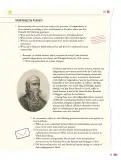
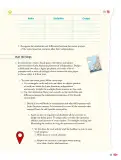
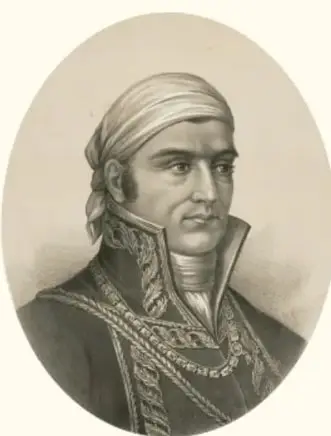
In Mexico and what is now known as Latin America, the independence movements were led by the Creole elite, who aimed to break away from European control and establish sovereign nations. A common characteristic of the fight for independence was the participation and leadership of the Creole soldiers. In Mexico, the fight for independence was led by Miguel Hidalgo, Ignacio Allende, and José María Morelos y Pavón, while in South America it was led by Simón Bolívar, Bernardo O'Higgins, and José de San Martín.

During these wars, the independent forces consisted of different societal groups besides Creoles, such as some peninsulars, Indigenous people, Afro-descendants, women, and children. All threw themselves into the fight for independence, but personal interests and aspirations were also involved.

Contenido de la página

Identifying the Problem

  1. In community, discuss with your teacher the processes of independence in Latin America according to your environment or the place where you live. Consider the following questions:

a) Who were the leaders of the Latin American wars of independence?

b) What streets, avenues, or places are named after these historical figures?

c) Why do you think these people's names were used to identify streets and places?

d) What day is Mexico's Independence Day and how is it celebrated in your community?

  1. Research, in reliable sources, which countries of today's Latin America gained independence from Spain and Portugal during the 19th century.

a) Write important facts on a sheet of paper.

In Mexico and what is now known as Latin America, the independence movements were led by the Creole elite, who aimed to break away from European control and establish sovereign nations. A common characteristic of the fight for independence was the participation and leadership of the Creole soldiers. In Mexico, the fight for independence was led by Miguel Hidalgo, Ignacio Allende, and José María Morelos y Pavón, while in South America it was led by Simón Bolívar, Bernardo O'Higgins, and José de San Martín.

During these wars, the independent forces consisted of different societal groups besides Creoles, such as some peninsulars, Indigenous people, Afro-descendants, women, and children. All threw themselves into the fight for independence, but personal interests and aspirations were also involved.

  1. In community, reflect on the following questions and write your opinion in your notebook.

a) What are some similarities between Mexico's independence process and those of the other Latin American nations?

b) Do you know the names of other people who participated in these independence movements? Write at least five names and the country to which they belong.

c) What countries emerged after the triumph of the independence movements in the Americas from the Spanish and Portuguese rules?

d) Did the social situation in Latin American nations change as a result of their independence? How?

Tabla

País Año de independencia Libertador principal
México 1821 Agustín de Iturbide / Vicente Guerrero
Argentina 1816 José de San Martín
Chile 1818 Bernardo O'Higgins
Colombia 1819 Simón Bolívar
Perú 1821 José de San Martín
Ecuador 1822 Antonio José de Sucre
Bolivia 1825 Simón Bolívar / Sucre
Brasil 1822 Pedro I
Uruguay 1825 José Gervasio Artigas

Glosario (4)

Creole elite
Grupo social descendiente de españoles nacidos en América que lideró los movimientos independentistas.
Peninsulars
Españoles nacidos en la península ibérica que residían en América.
Sovereign nations
Naciones con gobierno propio e independiente de potencias extranjeras.
Independence movements
Procesos políticos y militares para lograr la autonomía de una colonia.

Preguntas para practicar

What are some similarities between Mexico's independence process and those of the other Latin American nations?

Comparten el liderazgo de la élite criolla, la influencia de las ideas ilustradas y el descontento por las reformas borbónicas. También la participación de diversos grupos sociales.

Did the social situation in Latin American nations change as a result of their independence? How?

Sí, pero de forma limitada: se crearon repúblicas y se abolieron algunos privilegios, aunque persistieron la desigualdad, el poder criollo y la exclusión de indígenas, afrodescendientes y mujeres.

Temas y conceptos clave

Independencia de América LatinaLíderes independentistasPaíses emergentes del siglo XIXCambios sociales post-independenciaÉlite criollaSoberaníaIndependenciaMovimientos socialesColonialismo

Fuentes y referencias

  • Libros de historia de México y América Latina
  • Enciclopedias y sitios web educativos sobre independencias
¿Te fue útil esta página?

Figuras de la página (3)

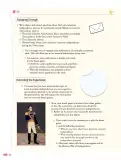
Retrato ovalado de un líder independentista con uniforme militar y cabello blanco, probablemente José de San Martín o Simón Bolívar.
Figura 1 image
Ilustración de un sobre de carta, que sugiere la actividad de escribir o investigar.
Figura 2 image
Figura 3 de Uérakua anapu uantakua. Projects and Readings.  Libro de Educación Telesecundaria Grado 3°  Ciclo Escolar 2025 - 2026
Figura 3 image

Preguntas que la gente también hace

¿Quiénes fueron los líderes de las guerras de independencia en América Latina?
Consulta la solución completa arriba o explora el libro entero para temas relacionados.
¿Qué países de América Latina se independizaron de España y Portugal en el siglo XIX?
Consulta la solución completa arriba o explora el libro entero para temas relacionados.
¿Cómo cambió la situación social en América Latina tras la independencia?
Consulta la solución completa arriba o explora el libro entero para temas relacionados.
📌 Antes de leer esto
  • • Conocer el contexto colonial de América Latina
  • • Identificar las causas de los movimientos independentistas
  • • Manejar conceptos básicos de historia moderna
Siguiente tema sugerido
Consecuencias sociales y políticas de las independencias latinoamericanas
📝 Transcripción de la página (texto seleccionable) 2251 caracteres

Identifying the Problem

  1. In community, discuss with your teacher the processes of independence in Latin America according to your environment or the place where you live.Consider the following questions:

a) Who were the leaders of the Latin American wars of independence?b) What streets, avenues, or places are named after these historical figures?c) Why do you think these people's names were used to identify streets and places?

d) What day is Mexico's Independence Day and how is it celebrated in your community?

  1. Research, in reliable sources, which countries of today's Latin America gained independence from Spain and Portugal during the 19th century.a) Write important facts on a sheet of paper.

In Mexico and what is now known as Latin America, the independence movements were led by the Creole elite,who aimed to break away from European control and establish sovereign nations. A common characteristic of the fight for independence was the participation and leadership of the Creole soldiers. In Mexico, the fight for independence was led by Miguel Hidalgo, Ignacio Allende, and José Mar´a Morelos y Pavón, while in South America it was led by Simón Bolivar, Bernardo O'Higgins, and José de San Martín.

During these wars, the independent forces consisted of different societal groups besides Creoles, such as some peninsulars, Indigenous people, Afro-descendants,women, and children. All threw themselves into the fig ht for independence, but personal interests and aspirations were also involved.

  1. In community, reflect on the following questions and write your opinion in your notebook.

a) What are some similarities between Mexico's independence process and those of the other Latin American nations?

b) Do you know the names of other people who participated in these independence movements? Write at least five names and the country to which they belong.

What countries emerged after the triumph of the independence movements in the Americas from the Spanish and Portuguese rules?

d) Did the social situation in Latin American nations change as a result of their independence? How?

火

202

![](page=0,bbox=[904, 348, 1060, 437])

![](page=0,bbox=[166, 682, 497, 1118])

![](page=0,bbox=[149, 1276, 301, 1390])

21

乐

Ad

Otros libros recomendados

Ver todos →
Ad

Usamos cookies propias y de terceros para personalizar contenido, mostrar publicidad y analizar el tráfico. Las cookies necesarias siempre están activas.