















Saltar al contenido
MisLibrosTexto
Ad

Inquiry Design and Development: That's the Question!

📄 ejercicios quimica 🎓 otro · 3° TELESECUNDARIA México 🇲🇽 MX 🗣 Español
Página 43
43 de 187
Página 43 de Uérakua anapu uantakua. Projects and Readings.  Libro de Educación Telesecundaria Grado 3°  Ciclo Escolar 2025 - 2026
Anterior Página 43 / 187 Siguiente

Respuesta rápida

Hipótesis 1, 2 y 3: válidas y comprobables. Plan de indagación: fuentes escritas + entrevista a un experto en sustancias químicas.

📚 exercise quimica ⭐⭐ Dificultad 2/5 ⏱ 8 min lectura

Solución — Página 43

Uérakua anapu uantakua. Projects and Readings. Libro de Educación Telesecundaria Grado 3° Ciclo Escolar 2025 - 2026

1
Ejercicio 1

In community, analyze the following hypotheses.

a
Parte 1.a

Hypothesis 1: If the group of campers in the reading had had the knowledge on how to help the dehydrated person, they would have been able to help them adequately without putting their life at risk.

  1. La hipótesis es válida y comprobable: relaciona el conocimiento sobre sales y electrolitos con una acción de primeros auxilios.
  2. La deshidratación grave se corrige con una solución de rehidratación oral: agua, sales y azúcar en proporciones adecuadas.
  3. Si los campistas conocían esa mezcla y la forma de administrarla, podían estabilizar a la persona sin arriesgar su vida.
Respuesta

Hipótesis aceptada; el conocimiento de las propiedades químicas de las sustancias permite actuar correctamente en una emergencia.

b
Parte 1.b

Hypothesis 2: If you don't know the chemical nature of the substances, tests can be done in the classroom to find it out.

  1. La hipótesis es válida: la identificación de sustancias se apoya en pruebas experimentales sencillas.
  2. Ejemplos: prueba de solubilidad en agua, punto de fusión, punto de ebullición, conductividad eléctrica y reacción con indicadores.
  3. Estas pruebas permiten clasificar la sustancia como iónica, molecular, ácida o básica.
Respuesta

Hipótesis aceptada; las pruebas de laboratorio escolar permiten inferir la naturaleza química de una sustancia desconocida.

c
Parte 1.c

Hypothesis 3: If you know the chemical nature of the substances, then you know the use and precautions in handling them.

  1. La hipótesis es válida: la naturaleza química determina propiedades y riesgos.
  2. Ejemplo: un ácido fuerte como \text{HCl} es corrosivo; se manipula con guantes y en campana.
  3. Ejemplo: el \text{NaCl} (sal de mesa) es inocuo en pequeñas cantidades y se usa en alimentos.
Respuesta

Hipótesis aceptada; conocer la naturaleza química permite elegir el uso correcto y las precauciones de manejo.
2
Ejercicio 2

If necessary, propose a hypothesis and write it in your notebook.

Respuesta orientativa: Hipótesis propuesta: Si las personas de la comunidad conocen la clasificación química de los productos que usan a diario, entonces los manipulan con mayores precauciones y reducen accidentes domésticos.

Seek and Find

1
Ejercicio 1

In assembly, design a plan to search for sources of information.

Respuesta orientativa: Plan sugerido:

  1. Definir el tema: propiedades y clasificación de sustancias de uso cotidiano.
  2. Consultar fuentes: libro de texto, enciclopedias de química, sitios como CONALITEG o la tabla periódica interactiva.
  3. Registrar la información en una tabla de tres columnas: sustancia, propiedad, uso.
  4. Agendar una entrevista con un profesional (químico, farmacéutico, cocinero o personal de limpieza).
a
Parte 1.a

Decide who to interview and justify your choice.

Respuesta orientativa: Entrevistar a un farmacéutico o a un químico de la localidad, porque manipula sustancias clasificadas (medicamentos, reactivos) y conoce sus propiedades, usos y precauciones.

b
Parte 1.b

Propose the questions for the interview and mention the sources of information you use as a reference.

Respuesta orientativa: Preguntas sugeridas:

  1. ¿Qué sustancias manipula en su trabajo?
  2. ¿Cómo las clasifica (ácidas, básicas, orgánicas, inorgánicas)?
  3. ¿Qué precauciones toma al usarlas?
  4. ¿Dónde aprendió a identificarlas? Fuentes de referencia: libro de texto de Química, tabla periódica y fichas de seguridad (MSDS).
c
Parte 1.c

Remember, it is important that, based on the questions, you get the answers on the use and classification of the substances with which the interviewees work and how they learned this.

Respuesta orientativa: Al cerrar la entrevista, elabora un cuadro comparativo con: sustancia, clasificación química, uso y forma en que el entrevistado aprendió a identificarla. Esto permite verificar las hipótesis planteadas.

Contenido de la página

INQUIRY DESIGN AND DEVELOPMENT

That's the Question!

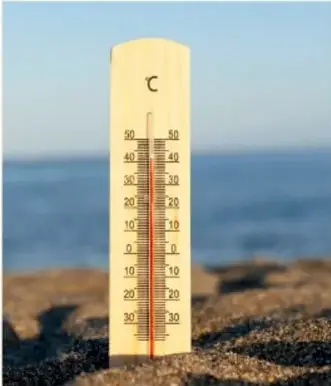
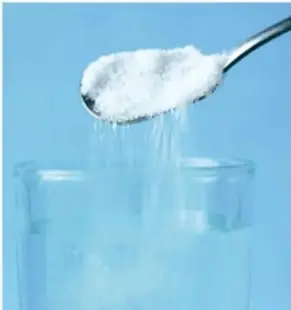
Substances in general have specific characteristics associated with their internal structure, that is, chemical compounds give them physical and chemical properties that distinguish them, such as the state of aggregation, melting point, boiling point, solubility, and electrical conduction.

As it was stated in the case of the dehydrated person in the reading in "Beginning and Observation," there are various situations in which it is convenient to know the properties of chemical elements or compounds.

  1. In community, analyze the following hypotheses:
    • a) Hypothesis 1: If the group of campers in the reading had had the knowledge on how to help the dehydrated person, they would have been able to help them adequately without putting their life at risk.
    • b) Hypothesis 2: If you don't know the chemical nature of the substances, tests can be done in the classroom to find it out.
    • c) Hypothesis 3: If you know the chemical nature of the substances, then you know the use and precautions in handling them.
  2. If necessary, propose a hypothesis and write it in your notebook.

Seek and Find

  1. In assembly, and with the help of your teacher, design a plan to search for sources of information to support and verify the hypotheses selected as well as the possible solutions. Also keep in mind to arrange an interview.
  2. Organize the aspects of your research through the interview.
    • a) Decide who to interview and justify your choice. The people interviewed may be from school, your family, or the community in general, and their daily or professional lives may be related to food, medication, tools, cleaning products, or others.
    • b) Propose the questions for the interview and mention the sources of information you use as a reference.
    • c) Remember, it is important that, based on the questions, you get the answers on the use and classification of the substances with which the interviewees work and how they learned this.

Tabla

Sustancia Clasificación Uso cotidiano Precaución
Cloruro de sodio (NaCl) Compuesto iónico Alimento y rehidratación Consumo moderado
Ácido clorhídrico (HCl) Ácido fuerte Limpieza de metales Guantes y ventilación
Bicarbonato de sodio (NaHCO3) Base débil Antiácido y repostería Ninguna especial
Etanol (C2H5OH) Compuesto orgánico Desinfectante Inflamable

Diagrama

flowchart TD
  A[Propiedades de las sustancias] --> B[Físicas]
  A --> C[Químicas]
  B --> D[Estado de agregación]
  B --> E[Punto de fusión]
  B --> F[Punto de ebullición]
  B --> G[Solubilidad]
  B --> H[Conductividad eléctrica]
  C --> I[Reacción con otras sustancias]
  C --> J[Combustión]
  C --> K[Oxidación]

Glosario (6)

state of aggregation
Estado físico en que se encuentra una sustancia: sólido, líquido o gaseoso.
melting point
Temperatura a la que una sustancia pasa de sólido a líquido.
boiling point
Temperatura a la que una sustancia pasa de líquido a gas.
solubility
Capacidad de una sustancia para disolverse en otra.
electrical conduction
Capacidad de una sustancia para permitir el paso de la corriente eléctrica.
hypothesis
Explicación provisional que se puede comprobar experimentalmente.

Preguntas para practicar

¿Por qué es útil conocer las propiedades de los elementos y compuestos químicos?

Porque permite identificar sustancias, darles un uso adecuado y tomar precauciones para evitar accidentes en la vida diaria y en el laboratorio.

¿Qué pruebas sencillas se pueden hacer en el aula para conocer la naturaleza química de una sustancia?

Pruebas de solubilidad en agua, medición de punto de fusión y ebullición, conductividad eléctrica y reacción con indicadores ácido-base.

Temas y conceptos clave

Diseño de indagaciónPropiedades de las sustanciasHipótesis científicasestado de agregaciónpunto de fusiónpunto de ebulliciónsolubilidadconductividad eléctricahipótesis

Fuentes y referencias

  • CONALITEG - Química 3° Telesecundaria
  • Tabla periódica interactiva
  • Fichas de seguridad química (MSDS)
¿Te fue útil esta página?

Figuras de la página (3)

Termómetro de laboratorio sobre arena, con escala en grados Celsius, usado para medir punto de fusión o ebullición.
Figura 1 image
Cuchara con sal vertiéndose en un vaso con agua, ilustrando la solubilidad.
Figura 2 image
Recuadro blanco en blanco para escribir notas o hipótesis.
Figura 3 image

Preguntas que la gente también hace

¿Qué propiedades permiten identificar una sustancia química?
Consulta la solución completa arriba o explora el libro entero para temas relacionados.
¿Cómo se clasifican las sustancias según su naturaleza química?
Consulta la solución completa arriba o explora el libro entero para temas relacionados.
¿Por qué es importante conocer las precauciones al manipular sustancias?
Consulta la solución completa arriba o explora el libro entero para temas relacionados.
📌 Antes de leer esto
  • • Estados de agregación de la materia
  • • Concepto de compuesto químico
  • • Pasos del método científico
Siguiente tema sugerido
Diseño experimental para identificar propiedades de sustancias
📝 Transcripción de la página (texto seleccionable) 2062 caracteres

INQUIRY DESIGN AND DEVELOPMENT That's the Question!

Substances in general have specific characteristics associated with their internal structure, that is, chemical compounds give them physical and chemical properties that distinguish them, such as the state of aggregation,melting point, boiling point, solubility, and electrical conduction.

As it was stated in the case of the dehydrated person in the reading in "Beginning and Observation," there are various situations in which it is convenient to know the properties of chemical elements or compounds.

  1. In community, analyze the following hypotheses:

a) Hypothesis 1: If the group of campers in the reading had had the knowledge on how to help the dehydrated person, they would have been able to help them adequately without putting their life at risk.

b) Hypothesis 2: If you don't know the chemical nature of the substances, tests can be done in the classroom to find it out.

c) Hypothesis 3: If you know the chemical nature of the substances, then you know the use and precautions in handling them.

  1. If necessary, propose a hypothesis and write it in your notebook.

Seek and Find

  1. In assembly, and with the help of your teacher, design a plan to search for sources of information to support and verify the hypotheses selected as well as the possible solutions. Also keep in mind to arrange an interview.

  2. Organize the aspects of your research through the interview.

a) Decide who to interview and justify your choice. The people in general, and their daily or professional lives may be related to food, medication, tools, cleaning products, or others.

b) Propose the questions for the interview and mention the sources of information you use as a reference.

c)Remember, it is important that, based on the questions, you get the answers on the use and classification of the substances with which the interviewees work and how they learned this.

104

8

![](page=0,bbox=[729, 177, 1060, 563])

![](page=0,bbox=[170, 597, 461, 907])

![](page=0,bbox=[819, 985, 1105, 1263])

乐

42

Ad

Otros libros recomendados

Ver todos →
Ad

Usamos cookies propias y de terceros para personalizar contenido, mostrar publicidad y analizar el tráfico. Las cookies necesarias siempre están activas.