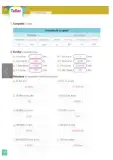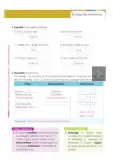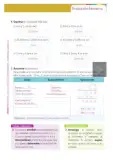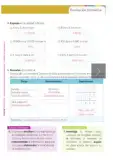

















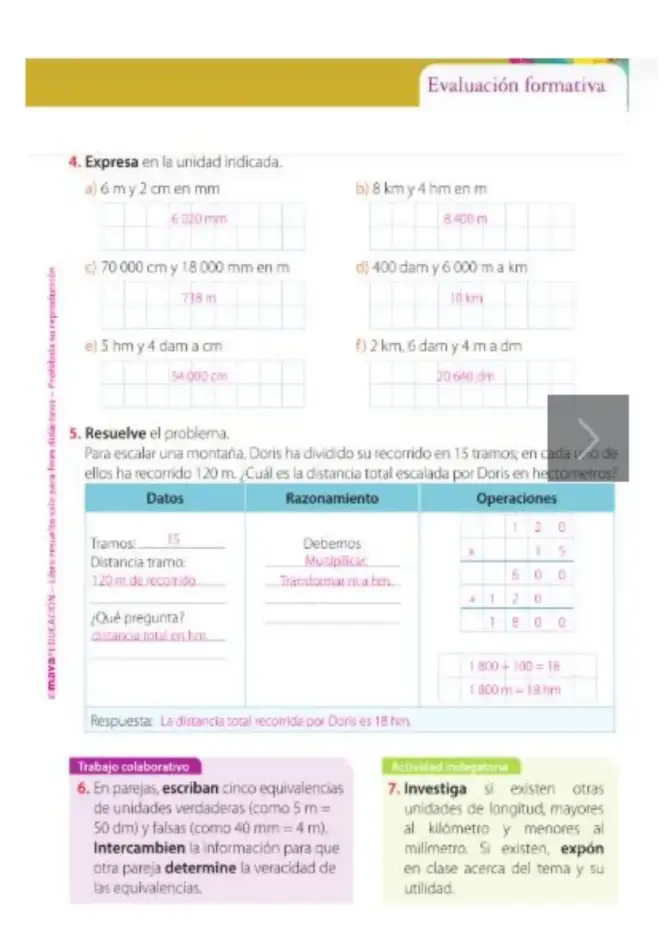
Expresa en la unidad indicada
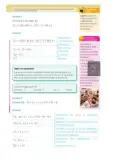
Para convertir, usamos las equivalencias del sistema métrico decimal:
- 1\ \text{m}=1000\ \text{mm}
- 1\ \text{km}=1000\ \text{m}
- 1\ \text{hm}=100\ \text{m}
- 1\ \text{dam}=10\ \text{m}
- 1\ \text{m}=100\ \text{cm}
- 1\ \text{m}=10\ \text{dm}
$6\ \text{m}$ y $2\ \text{cm}$ en milímetros
6\ \text{m}=6000\ \text{mm} y 2\ \text{cm}=20\ \text{mm}.
6000\ \text{mm}+20\ \text{mm}=6020\ \text{mm}.
6020\ \text{mm}.
$8\ \text{km}$ y $4\ \text{hm}$ en metros
8\ \text{km}=8000\ \text{m} y 4\ \text{hm}=400\ \text{m}.
8000\ \text{m}+400\ \text{m}=8400\ \text{m}.
8400\ \text{m}.
$70000\ \text{cm}$ y $18000\ \text{mm}$ en metros
70000\ \text{cm}=700\ \text{m} y 18000\ \text{mm}=18\ \text{m}.
700\ \text{m}+18\ \text{m}=718\ \text{m}.
718\ \text{m}.
$400\ \text{dam}$ y $6000\ \text{m}$ en kilómetros
400\ \text{dam}=4000\ \text{m}.
4000\ \text{m}+6000\ \text{m}=10000\ \text{m}.
10000\ \text{m}=10\ \text{km}.
10\ \text{km}.
$5\ \text{hm}$ y $4\ \text{dam}$ en centímetros
5\ \text{hm}=500\ \text{m}=50000\ \text{cm}.
4\ \text{dam}=40\ \text{m}=4000\ \text{cm}.
50000\ \text{cm}+4000\ \text{cm}=54000\ \text{cm}.
54000\ \text{cm}.
$2\ \text{km}$, $6\ \text{dam}$ y $4\ \text{m}$ en decímetros
2\ \text{km}=20000\ \text{dm}, 6\ \text{dam}=600\ \text{dm} y 4\ \text{m}=40\ \text{dm}.
20000\ \text{dm}+600\ \text{dm}+40\ \text{dm}=20640\ \text{dm}.
20640\ \text{dm}.