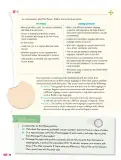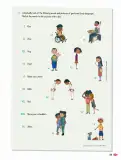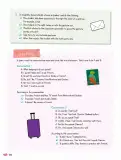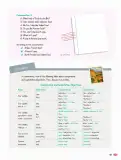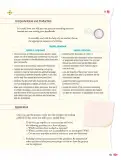

















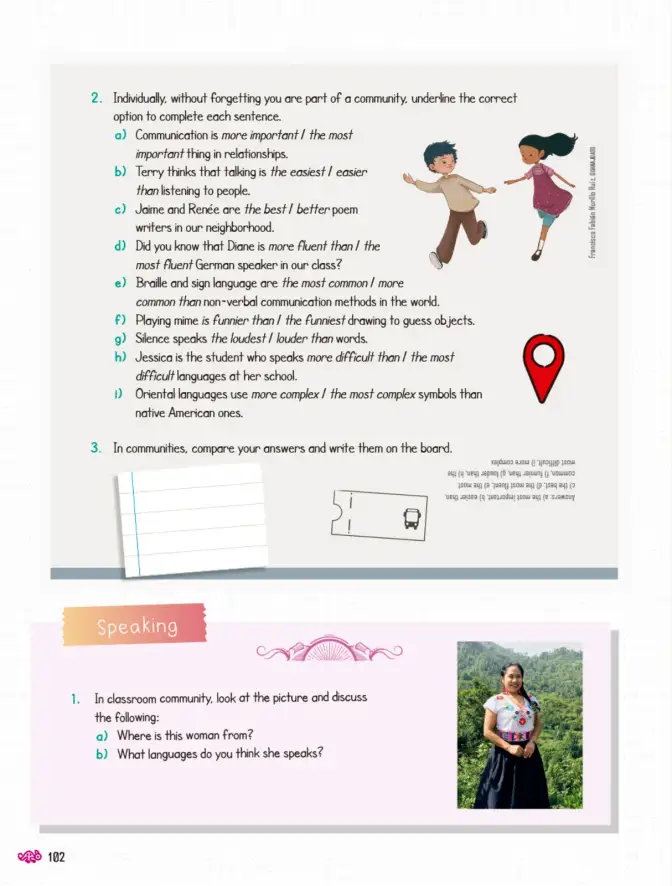
Enunciado: Individualmente, sin olvidar que formas parte de una comunidad, subraya la opción correcta para completar cada oración.
Regla de decisión: si la oración compara dos elementos con than, se usa el comparativo (-er/more); si se señala un extremo en un grupo, se usa el superlativo (the -est/the most).
Communication is more important / the most important thing in relationships.
- No hay comparación con than: se señala un extremo ("la cosa...").
- Se usa superlativo: the most important thing.
the most important**. / La comunicación es la cosa más importante en las relaciones.
Terry thinks that talking is the easiest / easier than listening to people.
- Aparece comparación con "listening" (dos acciones).
- Comparativo: easier than listening.
easier than**. / Terry piensa que hablar es más fácil que escuchar a las personas.
Jaime and Renée are the best / better poem writers in our neighborhood.
- "in our neighborhood" delimita un grupo: extremo.
- Superlativo (irregular): the best.
the best**. / Jaime y Renée son los mejores escritores de poemas del vecindario.
Did you know that Diane is more fluent than / the most fluent German speaker in our class?
- "in our class" delimita el grupo.
- Superlativo: the most fluent (adjetivo largo).
the most fluent**. / ¿Sabías que Diane es la persona que habla alemán con más fluidez del salón?
Braille and sign language are the most common / more common than non-verbal communication methods in the world.
- "in the world" indica extremo global.
- Superlativo: the most common.
the most common**. / El Braille y la lengua de señas son los métodos de comunicación no verbal más comunes del mundo.
Playing mime is funnier than / the funniest drawing to guess objects.
- Compara jugar mímica con "drawing" (dibujar) mediante comparación implícita con than.
- Comparativo: funnier than.
funnier than**. / Jugar a la mímica es más divertido que dibujar para adivinar objetos.
Silence speaks the loudest / louder than words.
- Comparación explícita con "words".
- Comparativo: louder than words.
louder than**. / El silencio habla más fuerte que las palabras.
Jessica is the student who speaks more difficult than / the most difficult languages at her school.
- No compara con than: destaca un extremo en su escuela.
- Superlativo: the most difficult languages.
the most difficult**. / Jessica es la estudiante que habla los idiomas más difíciles de su escuela.
Oriental languages use more complex / the most complex symbols than native American ones.
- Comparación con than ("...than native American ones").
- Comparativo: more complex ... than.
Clave impresa en el libro (invertida): Answers: a) the most important, b) easier than, c) the best, d) the most fluent, e) the most common, f) funnier than, g) louder than, h) the most difficult, i) more complex.
more complex**. / Las lenguas orientales usan símbolos más complejos que las nativas americanas.