















Página — Uerakua Anapu Uantakua Projects And Readings 1° Secundaria (pág. 75)
Solución no disponible aún
Esta página está en proceso de revisión.
Pídela y la resolveremos antes. Sin registro.
📝 Transcripción de la página (texto seleccionable) 1918 caracteres
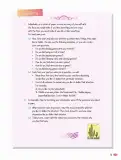
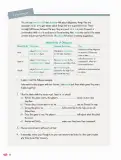
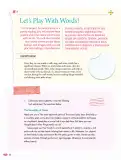
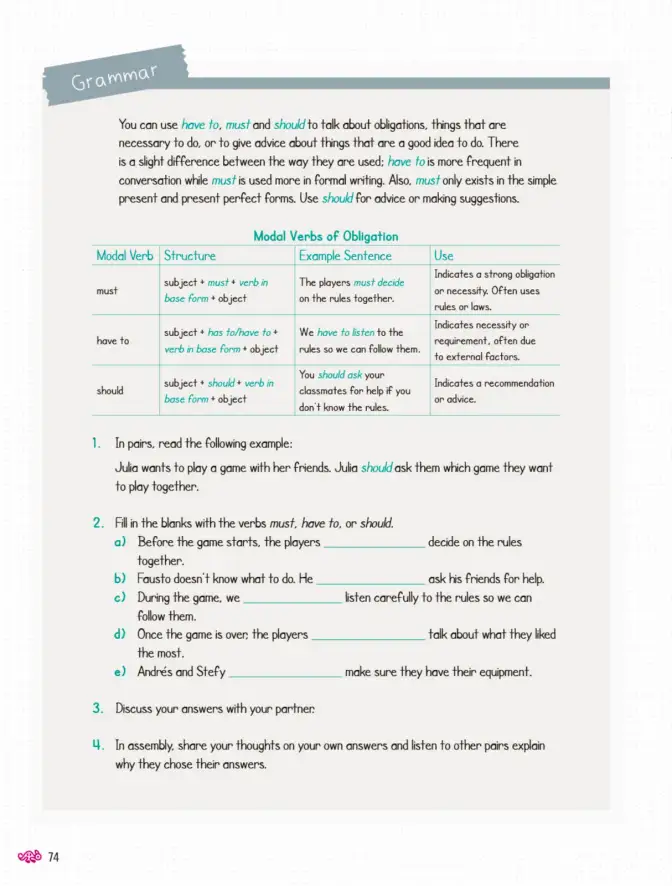
You can use have to, must and should to talk about obligations, things that are necessary to do, or to give advice about things that are a good idea to do. There is a slight difference between the way they are used; have to is more frequent in conversation while must is used more in formal writing. Also, must only exists in the simple present and present perfect forms. Use should for advice or making suggestions.
1. In pairs, read the following example:
Julia wants to play a game with her friends. Julia should ask them which game they want to play together.
2. Fill in the blanks with the verbs must, have to, or should.
a) Before the game starts, the players decide on the rules together.
b)Fausto doesn't know what to do. He ask his friends for help.
c)During the game, we listen carefully to the rules so we can follow them.
d)Once the game is over; the players talk about what they liked the most.
e) Andrés and Stefy make sure they have their equipment.
3. Discuss your answers with your partner:
- In assembly, share your thoughts on your own answers and listen to other pairs explain why they chose their answers.
Grammar
Modal Verbs of Obligation
| Example Sentence | Use | ||
| must | subject + must + venb in base form+ object | The players must decide on the rules together. | Indicates a strong obligation or necessity. Often uses rules or laws. |
| have to | subject + has to/have to+ venb in base form + object | We have to listen to the rules so we can follow them. | Indicates necessity or requirement, often due to extennal factors. |
| should | subject + should + verb in base form+ object | You should ask your classmates for help if you don't know the rules. | Indicates a recommendation or advice. |
Otros libros recomendados

Uérakua anapu uantakua. Projects and Readings. Libro de Educación Telesecundaria Grado 3° Ciclo Escolar 2025 - 2026
SEP/CONALITEG
187 págs.

Uérakua anapu uantakua. Projects and Readings. Libro de Educación Telesecundaria Grado 2° Ciclo Escolar 2025 - 2026
SEP/CONALITEG
171 págs.

Uérakua anapu uantakua. Projects and Readings. Libro de Educación Telesecundaria Grado 1° Ciclo Escolar 2025 - 2026
SEP/CONALITEG
187 págs.

Uérakua anapu uantakua. Projects and Readings. Libro de Educación Secundaria Grado 3° Ciclo Escolar 2025 - 2026
SEP/CONALITEG
187 págs.

Uérakua anapu uantakua. Projects and Readings. Libro de Educación Secundaria Grado 2° Ciclo Escolar 2025 - 2026
SEP/CONALITEG
171 págs.

Colección Ximhai. De lo humano y lo comunitario. Libro de Educación Secundaria Grado 1° Ciclo Escolar 2025 - 2026
SEP/CONALITEG
259 págs.

Colección Ximhai. Nuestro libro de proyectos. Libro de Educación Secundaria Grado 1° Ciclo Escolar 2025 - 2026
SEP/CONALITEG
299 págs.

Un libro sin recetas para la maestra y el maestro. Fase 6. Libro de Educación Secundaria Grado 1°, 2°, 3° Ciclo Escolar 2025 - 2026
SEP/CONALITEG
202 págs.