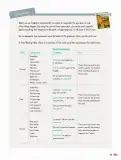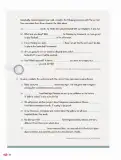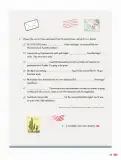
















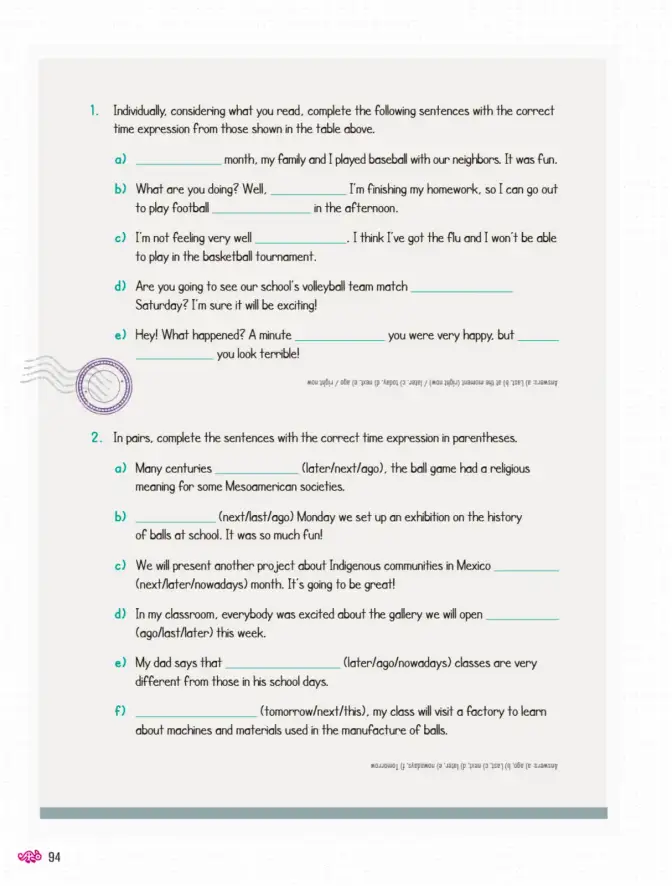
Enunciado: Individualmente, considerando lo que leíste, completa las siguientes oraciones con la expresión de tiempo correcta de la tabla anterior.
Oración: _____ month, my family and I played baseball with our neighbors. It was fun. / _____ mes, mi familia y yo jugamos béisbol con nuestros vecinos. Fue divertido.
- El verbo "played" está en pasado simple y "It was fun" confirma que ya ocurrió.
- La expresión de pasado que combina con "month" es last.
Last** month, my family and I played baseball with our neighbors.
Oración: What are you doing? Well, _____ I'm finishing my homework, so I can go out to play football _____ in the afternoon.
- La pregunta "What are you doing?" está en presente continuo: la acción sucede ahora.
- Primer espacio: At the moment (también acepta right now), que indica el presente.
- Segundo espacio: later, porque salir a jugar será después, en la tarde.
Well, at the moment I'm finishing my homework, so I can go out to play football later in the afternoon.
Oración: I'm not feeling very well _____. I think I've got the flu and I won't be able to play in the basketball tournament.
- "I'm not feeling" y "I've got" expresan algo que pasa hoy, y "won't be able" mira al futuro inmediato.
- La expresión adecuada de presente es today.
I'm not feeling very well today.
Oración: Are you going to see our school's volleyball team match _____ Saturday? I'm sure it will be exciting!
- "Are you going to..." y "will be" indican futuro.
- Con días de la semana en futuro se usa next: next Saturday.
Are you going to see our school's volleyball team match next Saturday?
Oración: Hey! What happened? A minute _____ you were very happy, but _____ you look terrible!
- "You were very happy" está en pasado: hace un minuto → ago después de "a minute".
- "You look terrible" está en presente: right now.
Clave impresa en el libro (invertida): a) Last — b) At the moment (right now) / later — c) today — d) next — e) ago / right now.
A minute ago you were very happy, but right now you look terrible!