Ejercicio 1
Complete the text with the correct past tense form of the verbs in parentheses.
 MisLibrosTexto
 Prueba nacional
TransformarPor universidad (27)
 ESPE — Universidad de las Fuerzas Armadas ESPE
 ESPOCH — Escuela Superior Politécnica de Chimborazo
 ESPOL — Escuela Superior Politécnica del Litoral IKIAM — Universidad Regional Amazónica Ikiam
 UCE — Universidad Central del Ecuador
 UCUENCA — Universidad de Cuenca UEA — Universidad Estatal Amazónica
 UEB — Universidad Estatal de Bolívar
 UG — Universidad de Guayaquil
 ULEAM — Universidad Laica Eloy Alfaro de Manabí
 UNACH — Universidad Nacional de Chimborazo
 UNAE — Universidad Nacional de Educación
 UNEMI — Universidad Estatal de Milagro
 UNESUM — Universidad Estatal del Sur de Manabí UNL — Universidad Nacional de Loja
 UPEC — Universidad Politécnica Estatal del Carchi
 UPSE — Universidad Estatal Península de Santa Elena UTA — Universidad Técnica de Ambato UTB — Universidad Técnica de Babahoyo UTC — Universidad Técnica de Cotopaxi
 UTELVT — Universidad Técnica Luis Vargas Torres de Esmeraldas
 UTEQ — Universidad Técnica Estatal de Quevedo
 UTM — Universidad Técnica de Manabí UTMACH — Universidad Técnica de Machala UTN — Universidad Técnica del Norte MisLibrosTexto
Uérakua anapu uantakua. Projects and Readings. Libro de Educación Secundaria Grado 2° Ciclo Escolar 2025 - 2026
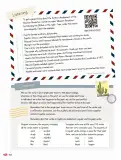
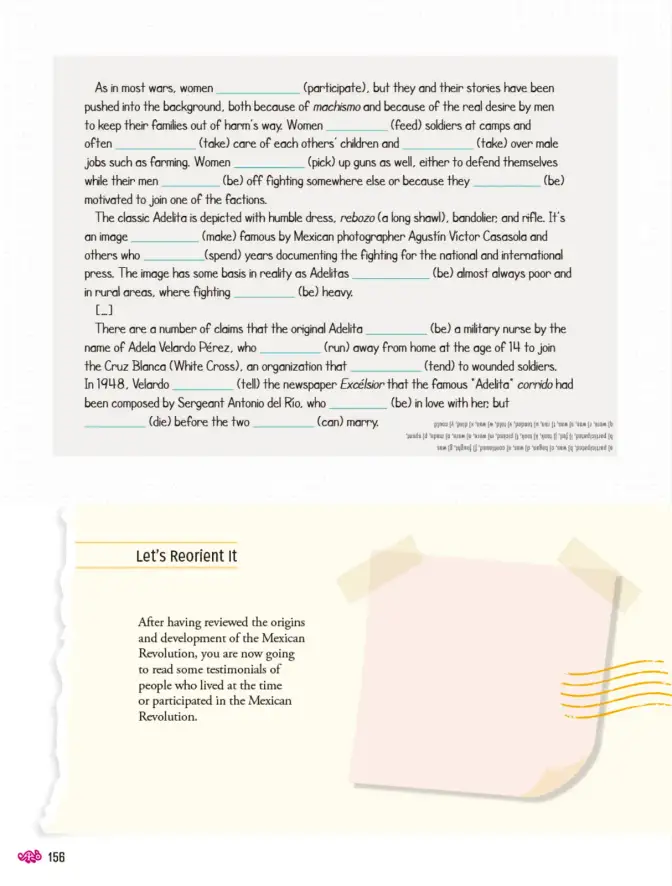
Complete the text with the correct past tense form of the verbs in parentheses.
As in most wars, women participated, but they and their stories have been pushed into the background...
participated
Women fed soldiers at camps...
fed
...and often took care of each others' children...
took
...and took over male jobs such as farming.
took
Women picked up guns as well...
picked
...while their men were off fighting somewhere else...
were
...or because they were motivated to join one of the factions.
were
It's an image made famous by Mexican photographer Agustín Victor Casasola...
made
...and others who spent years documenting the fighting...
spent
The image has some basis in reality as Adelitas were almost always poor...
were
...in rural areas, where fighting was heavy.
was
There are a number of claims that the original Adelita was a military nurse...
was
...by the name of Adela Velardo Pérez, who ran away from home at the age of 14...
ran
...to join the Cruz Blanca (White Cross), an organization that tended to wounded soldiers.
tended
In 1948, Velardo told the newspaper Excélsior...
told
...that the famous "Adelita" corrido had been composed by Sergeant Antonio del Río, who was in love with her...
was
...but died before the two could marry.
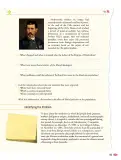
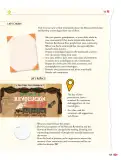
After having reviewed the origins and development of the Mexican Revolution, you are now going to read some testimonials of people who lived at the time or participated in the Mexican Revolution.
Respuesta orientativa: Esta sección es una transición. El estudiante ya estudió las causas y el desarrollo de la Revolución Mexicana y ahora leerá testimonios de primera mano (cartas, entrevistas, crónicas) de personas que vivieron o participaron en el conflicto. El objetivo es conectar los hechos históricos con las voces personales de la época.
died / could
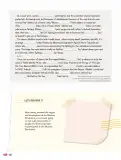
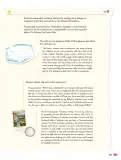
As in most wars, women __________ (participate), but they and their stories have been pushed into the background, both because of machismo and because of the real desire by men to keep their families out of harm's way. Women __________ (feed) soldiers at camps and often __________ (take) care of each others' children and __________ (take) over male jobs such as farming. Women __________ (pick) up guns as well, either to defend themselves while their men __________ (be) off fighting somewhere else or because they __________ (be) motivated to join one of the factions.
The classic Adelita is depicted with humble dress, rebozo (a long shawl), bandolier; and rifle. It's an image __________ (make) famous by Mexican photographer Agustín Victor Casasola and others who __________ (spend) years documenting the fighting for the national and international press. The image has some basis in reality as Adelitas __________ (be) almost always poor and in rural areas, where fighting __________ (be) heavy.
[...]
There are a number of claims that the original Adelita __________ (be) a military nurse by the name of Adela Velardo Pérez, who __________ (run) away from home at the age of 14 to join the Cruz Blanca (White Cross), an organization that __________ (tend) to wounded soldiers. In 1948, Velardo __________ (tell) the newspaper Excélsior that the famous "Adelita" corrido had been composed by Sergeant Antonio del Río, who __________ (be) in love with her; but __________ (die) before the two __________ (can) marry.
After having reviewed the origins and development of the Mexican Revolution, you are now going to read some testimonials of people who lived at the time or participated in the Mexican Revolution.
Why were women's stories pushed into the background during wars?
Because of machismo and men's desire to protect their families, women's contributions were often ignored or minimized in historical accounts.

As in most wars, women (participate), but they and their stories have been pushed into the background, both because of machismo and because of the real desire by men to keep their families out of harm's way. Women (feed) soldiers at camps and often (take) care of each others'children and (take) over male jobs such as farming. Women (pick) up guns as well, either to defend themselves while their men (be) off fighting somewhere else or because they (be)motivated to join one of the factions.
The classic Adelita is depicted with humble dress, rebozo (a long shawl), bandolier; and rifle. It's an image (make) famous by Mexican photographer Agustín Victor Casasola and others who (spend) years documenting the fighting for the national and international press. The image has some basis in reality as Adelitas (be) almost always poor and in rural areas, where fighting (be) heavy.
[]
There are a number of claims that the original Adelita (be) a military nurse by the name of Adela Velardo Pérez, who (run) away from home at the age of 14 to join the Cruz Blanca (White Cross), an organization that (tend) to wounded soldiers.In 1948, Velardo (tell) the newspaper Excélsior that the famous"Adelita"corrido had been composed by Sergeant Antonio del Rio, who (be) in love with her; but
(die) before the two (can) marry.
p)naaxsepans as ed sep sa eda e
After having reviewed the origins and development of the Mexican Revolution, you are now going to read some testimonials of people who lived at the time or participated in the Mexican Revolution.

乐
156
Colección Sk´asolil. Lenguajes. Libro de Educación Secundaria Grado 2° Ciclo Escolar 2025 - 2026
SEP/CONALITEG
323 págs.
Colección Sk´asolil. Saberes y pensamiento científico. Libro de Educación Secundaria Grado 2° Ciclo Escolar 2025 - 2026
SEP/CONALITEG
339 págs.
Colección Sk´asolil. Ética, naturaleza y sociedades. Libro de Educación Secundaria Grado 2° Ciclo Escolar 2025 - 2026
SEP/CONALITEG
355 págs.
Fichas de Matemática 2 · 2024
Larisa Mansilla Fernández y equipo
100 págs.
Comprensión lectora : manual para el docente de segundo grado de Secundaria 2018 · 2018
MINEDU
194 págs.
Comprensión lectora 2 : manual para el docente de segundo grado de Secundaria · 2017
MINEDU
130 págs.
Fichas de aprendizaje de Comunicación 2 · 2024
Carmen Patricia Cáceres Villanueva y equipo
100 págs.
Uérakua anapu uantakua. Projects and Readings. Libro de Educación Telesecundaria Grado 3° Ciclo Escolar 2025 - 2026
SEP/CONALITEG
187 págs.
Usamos cookies propias y de terceros para personalizar contenido, mostrar publicidad y analizar el tráfico. Las cookies necesarias siempre están activas.